
Technology has transformed modern education, and interactive whiteboards have become one of the most valuable tools in today’s classrooms. Also known as smart boards or digital whiteboards, these systems combine traditional teaching methods with digital capabilities to create a more engaging and effective learning experience.
From improving student participation to enhancing lesson delivery, interactive whiteboards offer a wide range of benefits for both teachers and students.
What Is an Interactive Whiteboard?
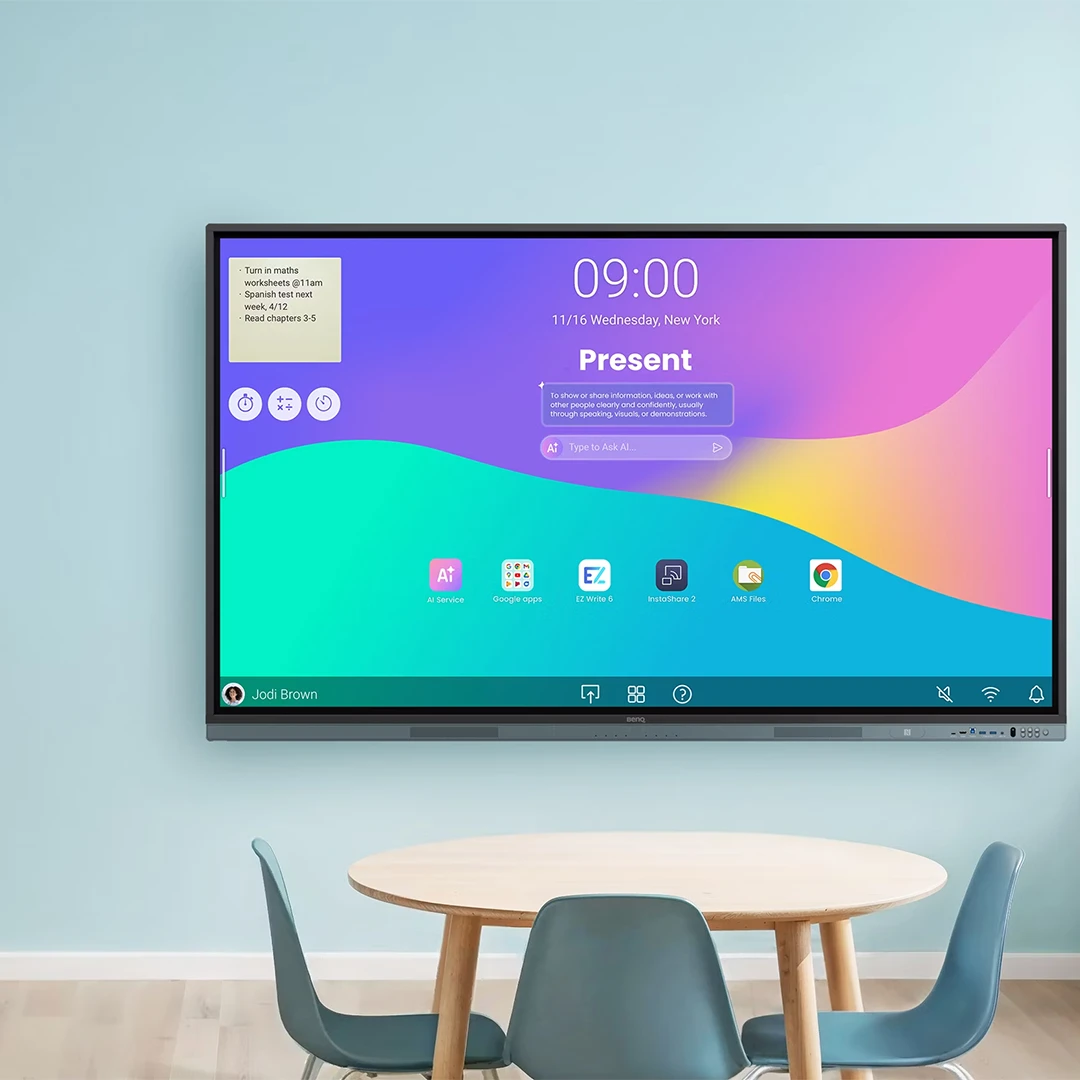
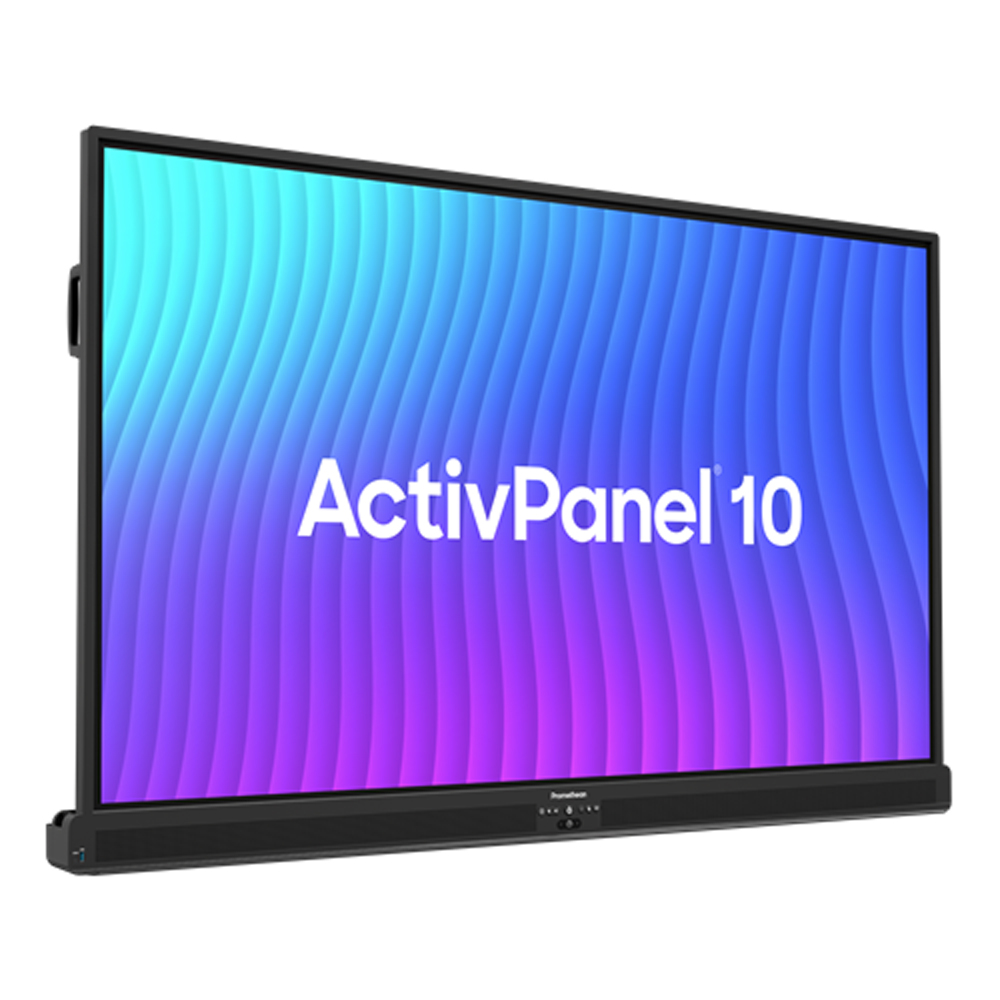
An interactive whiteboard is a touch-sensitive display that connects to a computer or device, allowing users to control applications, display content, and interact directly with the screen.
Teachers can write, draw, display multimedia content, and navigate lessons in real time — all from one central platform. This makes interactive whiteboards a powerful upgrade from traditional classroom boards.
1. Increased Student Engagement
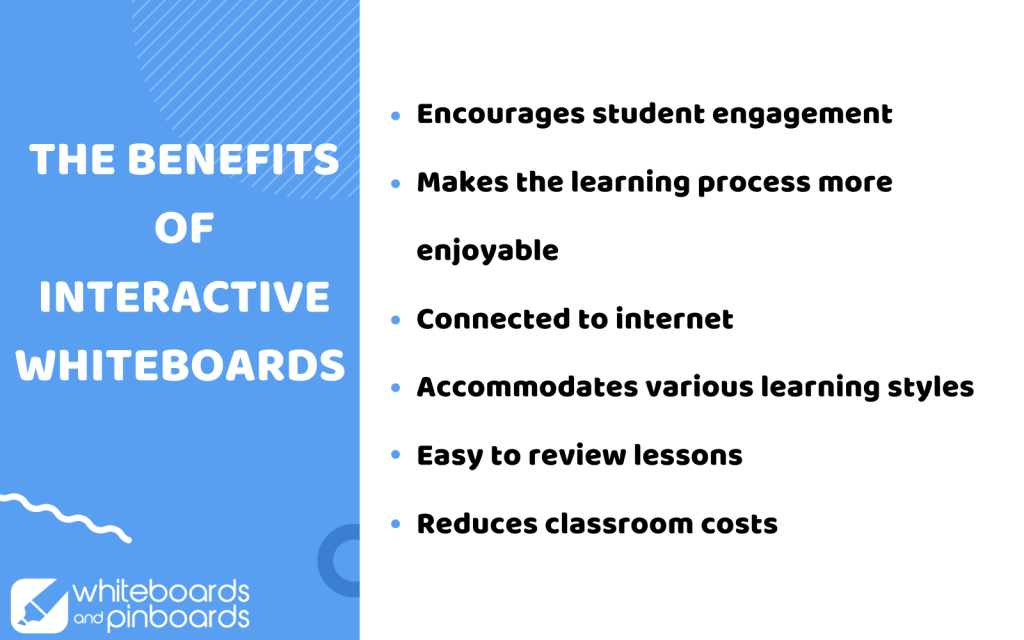
One of the biggest advantages of interactive whiteboards is their ability to capture and maintain student attention.
Instead of passively watching a lesson, students can interact directly with the board through:
- Touch-based activities
- Drag-and-drop exercises
- Collaborative problem-solving tasks
This hands-on approach makes learning more dynamic and encourages active participation.
2. Supports Multiple Learning Styles
Every student learns differently, and interactive whiteboards help cater to a wide range of learning styles.
They combine:
- Visual content (images, videos, diagrams)
- Auditory elements (audio and explanations)
- Kinesthetic interaction (touch and movement)
This multi-sensory approach improves understanding and helps students retain information more effectively.
Shop our Most Popular Categories




3. Enhances Lesson Delivery
Interactive whiteboards allow teachers to deliver lessons in a more structured and engaging way.
They can:
- Display presentations and multimedia content
- Annotate over slides and documents
- Save and revisit lesson material
- Access online resources instantly
This flexibility helps teachers adapt lessons in real time while maintaining a clear and organised flow.
4. Encourages Collaboration
Interactive whiteboards promote collaboration by allowing multiple students to participate in activities at the same time.
Group tasks, brainstorming sessions, and shared problem-solving exercises become easier and more interactive — helping students develop teamwork and communication skills.
4. Encourages Collaboration
Interactive whiteboards promote collaboration by allowing multiple students to participate in activities at the same time.
Group tasks, brainstorming sessions, and shared problem-solving exercises become easier and more interactive — helping students develop teamwork and communication skills.
5. Saves Time and Improves Efficiency
With everything in one place, interactive whiteboards help streamline lesson preparation and delivery.
Teachers can:
- Prepare lessons in advance
- Save and reuse materials
- Quickly switch between resources
- Reduce time spent writing repetitive information
This efficiency allows more time to focus on teaching and student engagement.
6. Access to Digital Resources
Interactive whiteboards provide instant access to a wide range of digital tools and resources, including:
- Educational apps and software
- Online videos and interactive content
- Real-time research and examples
This expands the scope of teaching and allows lessons to be more relevant and up-to-date.
7. Creates a Modern Learning Environment
Using interactive whiteboards helps create a modern, technology-driven classroom that reflects today’s digital world.
Students are already familiar with touchscreens and digital devices, so incorporating this technology into learning makes the classroom more relatable and engaging.
Interactive Whiteboards vs Traditional Boards
While traditional whiteboards and chalkboards still have their place, interactive whiteboards offer additional capabilities:
- Interactive whiteboards enable digital interaction and multimedia use
- Traditional boards are better suited for simple writing tasks
- Interactive boards support collaboration and engagement at a higher level
- Traditional boards are more cost-effective for basic needs
Many classrooms now use a combination of both to maximise flexibility.
Are Interactive Whiteboards Worth It?
For schools looking to enhance engagement, improve learning outcomes, and modernise their classrooms, interactive whiteboards are a valuable investment.
They provide a balance of visual learning, interactivity, and flexibility, making them one of the most effective tools in modern education.
Upgrade Your Classroom Technology
If you’re looking to create a more engaging and effective learning environment, explore our range of interactive whiteboards, digital displays, and classroom solutions.
Whether you’re upgrading a single classroom or outfitting an entire school, we offer solutions designed to support modern teaching and learning.
Why Schools Are Making the Switch
As education continues to evolve, more schools are moving toward interactive whiteboards and digital classroom tools to improve engagement and outcomes.
Combined with traditional boards and classroom resources, these technologies help create a balanced, future-ready learning environment.