
A whiteboard and pinboard combo board combines reusable writing space with a surface for displaying notices, photographs, schedules and printed documents. It can reduce the amount of wall or floor space required while keeping temporary notes and longer-term information together.
A fixed combination board is generally best for staff rooms, offices, classrooms and shared communication areas where the board remains in one location. A mobile combo board is more suitable for training rooms, workshops and flexible learning spaces where the display needs to move between rooms.
The right configuration depends on the proportion of writing and display space required, the whiteboard surface, the pinboard material, board size, mounting method and how frequently the information changes.
1. Decide Whether a Combination Board Suits the Workflow
Begin by identifying the two types of information the board needs to hold.
The whiteboard section may be used for:
• Meeting notes
• Daily priorities
• Diagrams
• Temporary reminders
• Project updates
• Classroom explanations
• Task allocation
• Short-term schedules
• Brainstorming
• Changing figures
The pinboard section may display:
• Printed notices
• Rosters
• Policies
• Photographs
• Calendars
• Reference documents
• Student work
• Safety information
• Event details
• Material that must remain visible
A combo board provides the most value when users regularly need both functions in the same location.
For example, a staff room may use the pinboard for permanent policies and upcoming events while the whiteboard holds daily messages and shift changes. A classroom may display learning resources beside a writable area for instructions or worked examples.
Compare the broader ranges of whiteboards and pinboards before deciding whether combining the functions is more practical than installing separate boards.
2. Understand the Main Combo Board Configurations
Combination boards are available in several formats.
Fixed Whiteboard and Corkboard
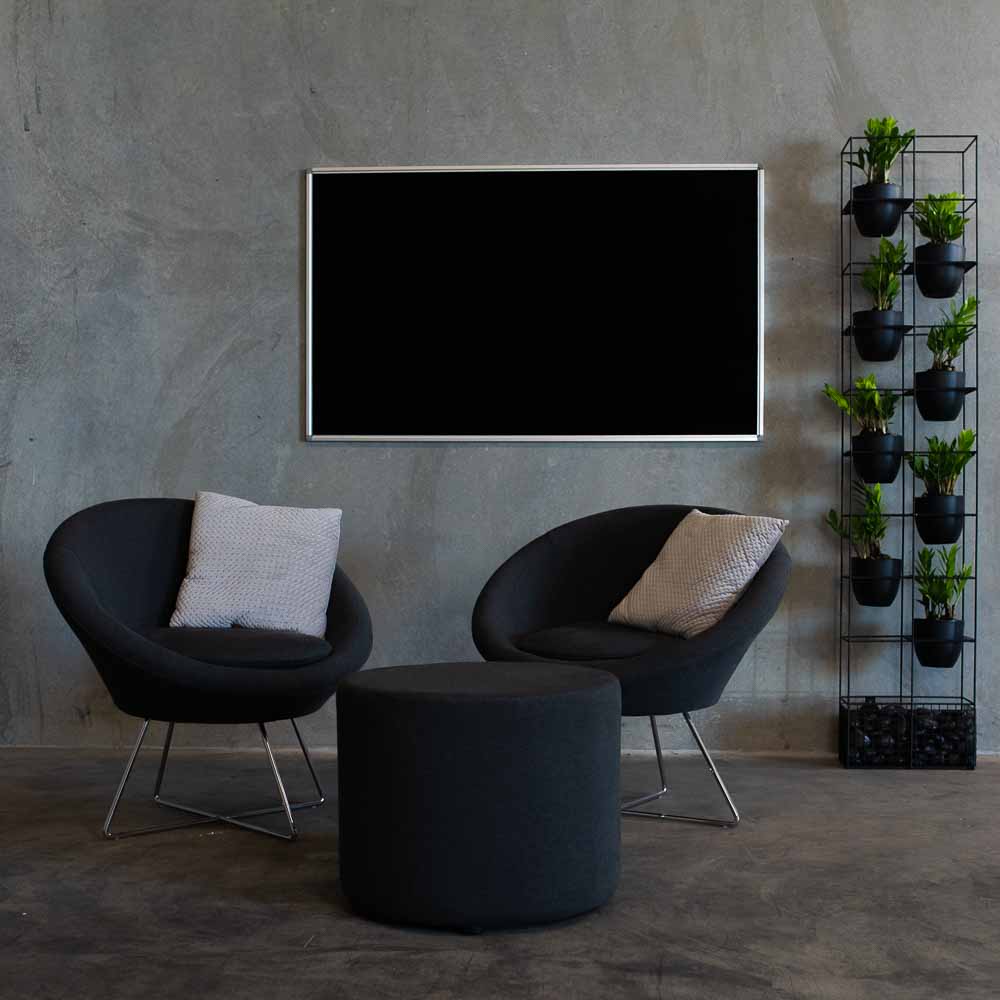
A wall-mounted whiteboard and corkboard combination commonly divides one framed board into two sections.
This format can suit:
• Staff rooms
• Small offices
• Kitchens
• Reception areas
• Classrooms
• Administration areas
• Shared workplace notice points
The Combination Cork and Whiteboard combines a magnetic writing surface with a cork section inside one aluminium frame.
A fixed format is suitable where:
• The board will remain in one room
• Wall space is available
• Information should stay continuously visible
• Floor space is limited
• A compact communication point is required
Whiteboard and Feltboard
A feltboard surface provides an alternative to natural cork.
Felt may be preferable when:
• A grey or coloured surface suits the interior
• The board receives frequent pin use
• A commercial appearance is preferred
• Printed notices need contrast against the background
• The board is used in offices or classrooms
Whiteboard and Fabric Pinboard
Fabric or velour surfaces can provide:
• Broader colour choice
• A more contemporary appearance
• Compatibility with pins
• Hook-and-loop compatibility on selected products
• Better integration with office or classroom interiors
Confirm the fastening methods supported by the individual product. Not every fabric surface accepts hook-and-loop accessories.
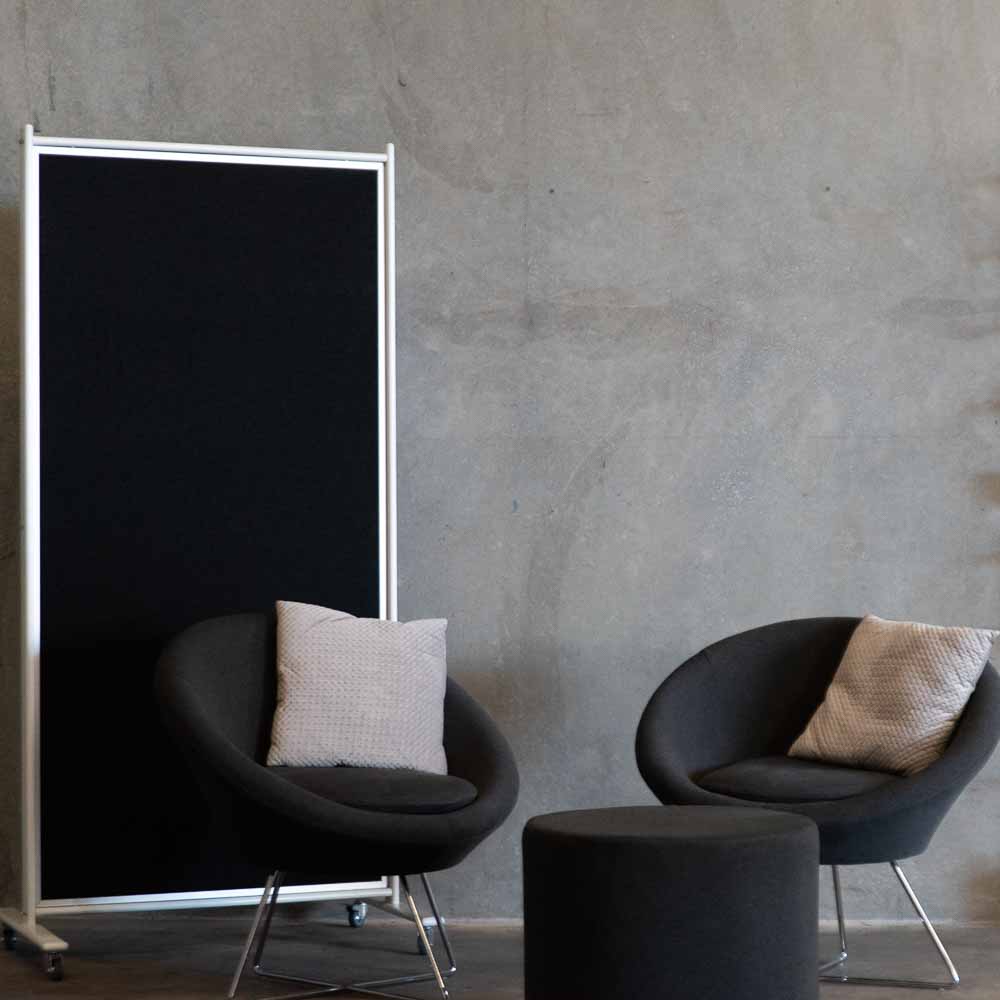
Mobile Double-Sided Combo Board
A mobile combination board commonly places a whiteboard on one side and a felt or fabric pinboard on the reverse.
This configuration can increase usable surface area without placing both functions side by side.
It may suit:
• Training rooms
• Flexible classrooms
• Workshops
• Events
• Multipurpose spaces
• Shared meeting facilities
• Temporary project areas
3. Choose the Right Surface Split
A common fixed combination board uses an approximately equal split between the whiteboard and pinboard sections. This works when the two functions have similar importance.
A 50/50 layout may suit:
• General staff communication
• Small classrooms
• Shared household or workplace planning
• Rosters beside temporary notes
• Notices beside a weekly task list
An equal split may not be suitable when one function is used much more heavily.
Choose More Whiteboard Space When:
• Meetings generate extensive notes
• Diagrams are frequently drawn
• Several people write at once
• The board supports project planning
• Large handwriting is required
• Information must be visible from a distance
Choose More Pinboard Space When:
• Numerous documents remain displayed
• Policies and notices change infrequently
• The board acts mainly as an information point
• Large posters or calendars are attached
• Different departments need defined display sections
Before ordering, sketch the proposed layout at full scale with painter’s tape.
Place sample documents inside the pinboard area and write a realistic set of notes inside the whiteboard section. This reveals whether either surface will become overcrowded.
4. Select the Whiteboard Surface
The writing surface should match the expected frequency of use.
Commercial Whiteboard Surface
A standard commercial magnetic surface can suit general office, classroom and staff-room applications.
It may be appropriate where:
• The board receives regular but not intensive use
• Magnetic documents are useful
• Budget is important
• The board is cleaned consistently
• The room requires straightforward everyday functionality
Porcelain Whiteboard Surface
Porcelain whiteboards are commonly chosen for heavier use because of their durable, non-porous writing surface.
They can suit:
• Schools
• Training facilities
• Busy offices
• Healthcare environments
• Government workplaces
• High-frequency commercial settings
A porcelain surface may provide better long-term value where the writing section is used throughout the day.
Magnetic Functionality
A magnetic whiteboard section allows users to attach:
• Documents
• Planning cards
• Photographs
• Rosters
• Magnetic labels
• Marker holders
• Erasers
• Status indicators
Magnetic capability can make the writing section useful even when users are not writing on it.
Do not assume every combination board is magnetic. Confirm the product specification before purchasing accessories.
5. Select the Pinboard Surface
The pinboard material affects appearance, durability and accessory compatibility.
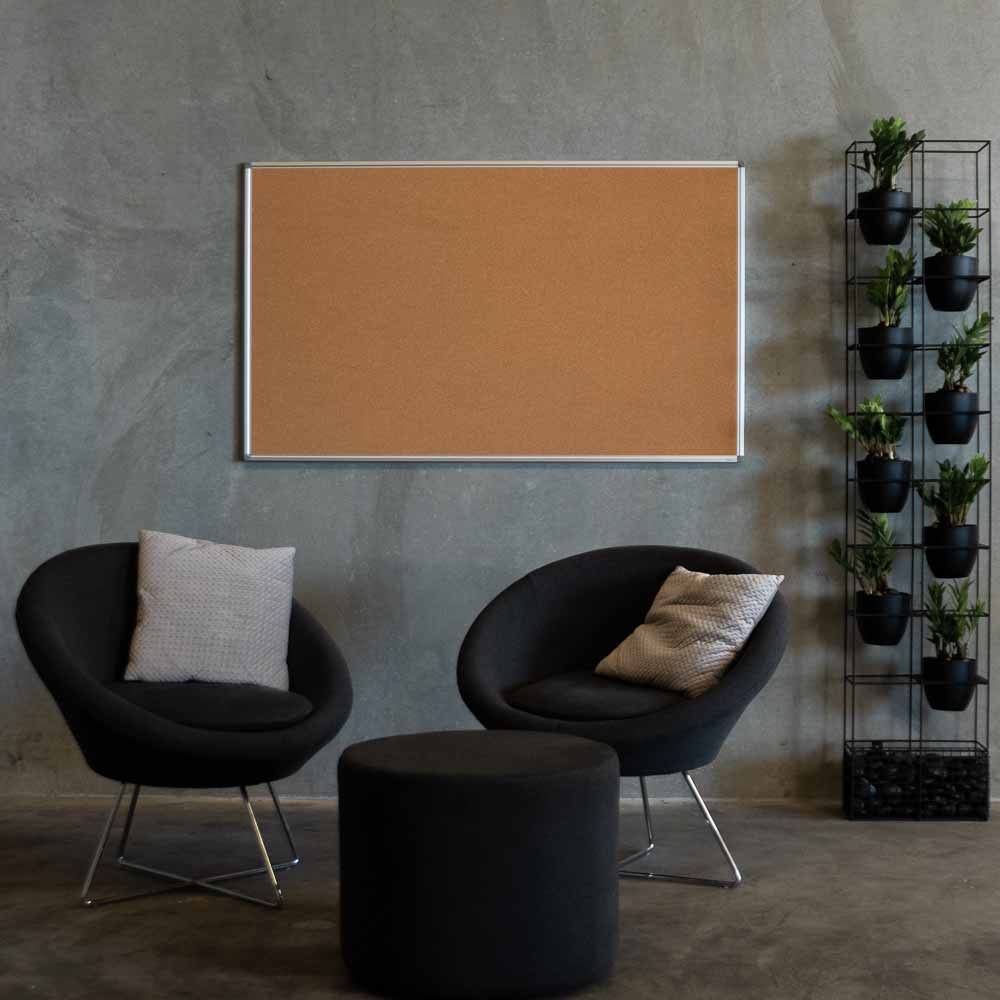
Cork
Cork provides:
• Familiar appearance
• Straightforward pinning
• Compatibility with standard push pins
• Clear contrast against paper
• Cost-effective everyday display space
Cork is well suited to general notices, photographs, reminders and lightweight documents.
Repeated pinning in one small area may eventually leave visible wear. Spread documents across the available surface where possible.
Felt
Felt can provide:
• Uniform colour
• Commercial appearance
• Reliable pin resistance
• Suitability for repeated workplace use
• A practical alternative to cork
Grey felt is commonly used where a neutral finish is preferred.
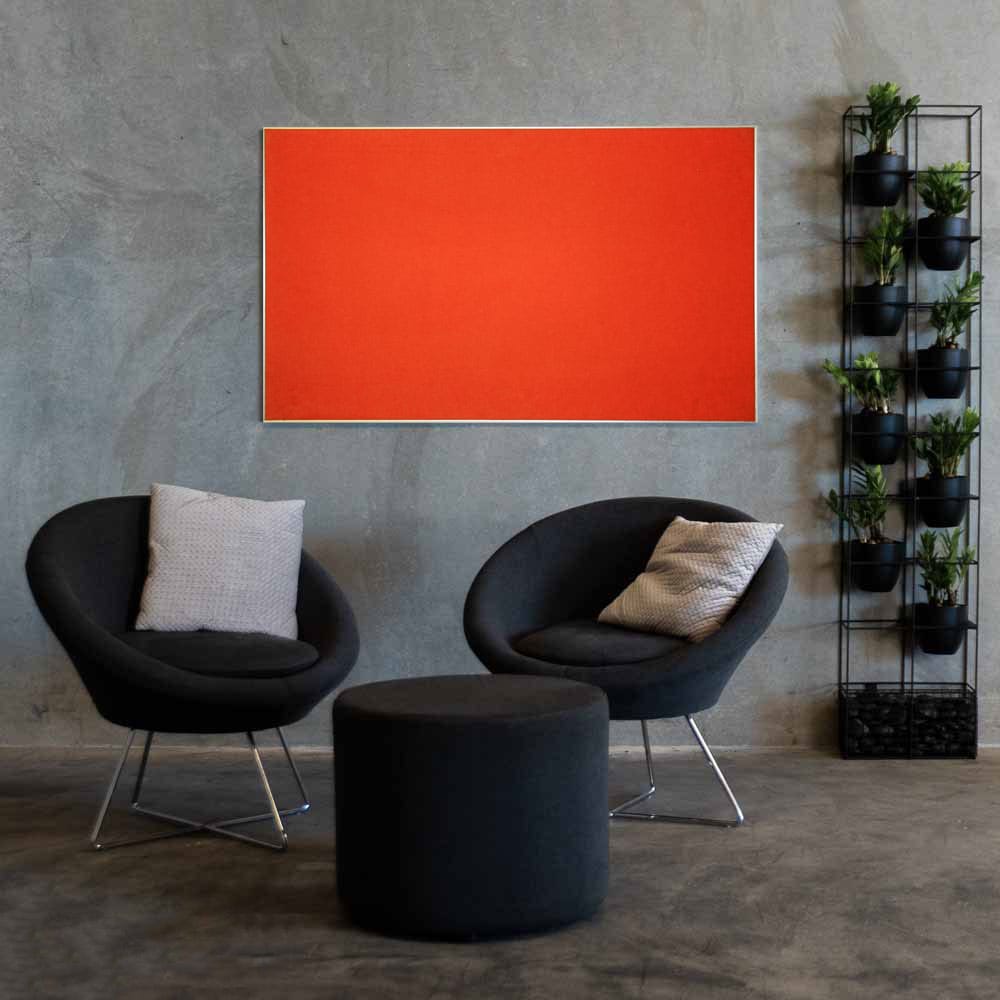
Fabric or Velour
Fabric and velour surfaces may provide:
• Wider colour selection
• Contemporary styling
• Framed or frameless options
• Compatibility with pins
• Hook-and-loop compatibility on selected products
• Better coordination with interior finishes
Confirm the specific fastening requirements before ordering. A fabric-looking surface is not automatically Velcro receptive.
Acoustic Pinboard Surface
Some pinnable surfaces are also designed to absorb reflected sound.
An acoustic pinboard may be useful when the board is installed in:
• An open-plan office
• A classroom
• A meeting room
• A library
• A breakout space
• A shared training area
A conventional felt or fabric board should not automatically be treated as an acoustic panel. Check the individual acoustic specification.
6. Compare Fixed and Mobile Combo Boards
The board’s location and movement requirements should determine whether it is wall mounted or mobile.
Fixed Combination Boards
Fixed boards provide:
• Permanent visibility
• No mobile base occupying floor space
• Consistent viewing position
• Straightforward daily access
• Integration with a defined communication wall
They are generally better for information that must remain visible between meetings, shifts or lessons.
A fixed board is usually the stronger choice when:
• The room has suitable wall space
• The information belongs to one department
• Users access the board every day
• Floor circulation is limited
• The board will not need to move
Mobile Combination Boards
Mobile boards provide:
• Movement between rooms
• Flexible room layouts
• Double-sided functionality
• Temporary presentation space
• Additional writing or display capacity
• Support for workshops and group activities
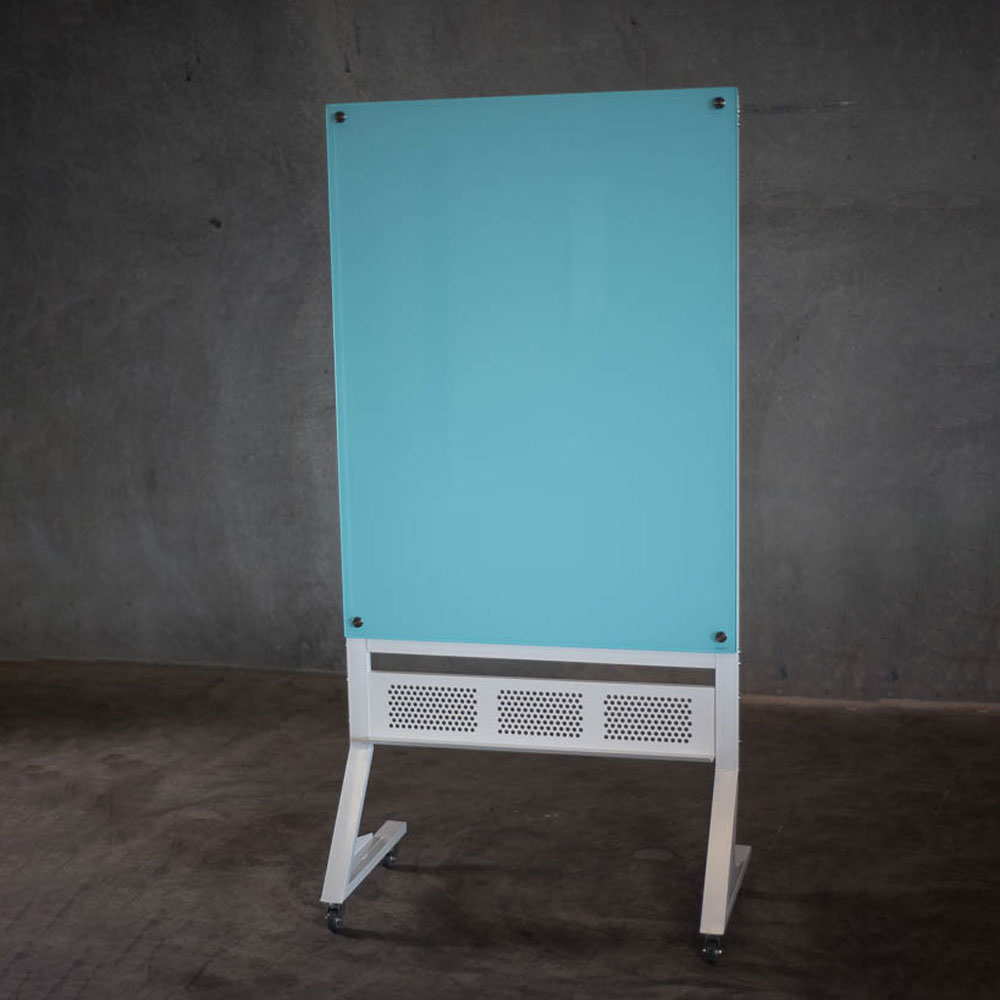
The Mobile Combo Board places a magnetic whiteboard surface on one side and a pinnable feltboard on the reverse, supported by a wheeled frame.
A mobile board is generally more appropriate when:
• Several teams share the product
• Training takes place in different rooms
• Classrooms are regularly rearranged
• Temporary displays are required
• Wall mounting is unavailable
• The board needs to be stored after use
Check the complete frame dimensions rather than only the board size. Castor bases and supporting frames increase the floor area required.

7. Choose a Size Based on Real Content
The board should be sized around the information users need to display and write.
Measure:
• Available wall width
• Available wall height
• Normal viewing distance
• Number of documents displayed
• Required handwriting size
• Number of simultaneous users
• Furniture beneath the board
• Door and window clearance
• Light switches and outlets
• Delivery access
• Comfortable writing and pinning height
A compact whiteboard corkboard combo can be effective for a small office or staff kitchen. It may become crowded when used for departmental rosters, policies, calendars and meeting notes simultaneously.
Larger boards are useful when:
• Several documents remain displayed
• Notes need to be read across a room
• Multiple departments share the board
• Several people contribute
• The surface is divided into permanent zones
• Information must remain visible for extended periods
Mark the proposed overall dimensions on the wall before ordering.
Then divide the outline into the proposed whiteboard and pinboard sections. This provides a more accurate impression than viewing an isolated product image online.
8. Consider Whether Both Surfaces Need to Be Visible
A fixed side-by-side board keeps the whiteboard and pinboard visible at the same time.
This is useful when:
• Notices provide context for written updates
• Staff refer to policies while completing tasks
• Classroom resources accompany written instructions
• Rosters and daily messages must be viewed together
• The board acts as a permanent communication centre
A double-sided mobile board usually displays only one function at a time.
This can be useful when:
• The board is rotated between activities
• One side is prepared before a meeting
• Display material should be hidden temporarily
• Each side supports a different group
• Additional total surface area is more important than simultaneous visibility
Consider the workflow carefully.
A mobile board with two useful surfaces may provide more total capacity, but a side-by-side fixed board may be faster to read during normal daily use.
9. Plan Pins, Magnets and Accessories
The board should be supplied with accessories that match both surfaces.
Whiteboard Accessories
These may include:
• Dry-erase markers
• Erasers
• Whiteboard cleaner
• Microfibre cloths
• Magnets
• Magnetic document holders
• Pen trays
• Magnetic marker holders
Pinboard Accessories
These may include:
• Push pins
• Drawing pins
• Longer display pins
• Hook-and-loop fasteners where compatible
• Document pockets
• Display headings
• Lightweight cards
Choose pins long enough to hold the intended material without being excessive for the surface.
Documents attached with magnets or pins reduce the remaining usable area. Include accessories and sample notices when testing the proposed board size.
For mobile boards, confirm that markers and pins can be stored securely while the board is moved.
10. Match the Combo Board to the Environment
Offices
Whiteboard and pinboard combinations can support:
• Team planning
• Staff announcements
• Project updates
• Rosters
• Meeting actions
• Social events
• Policies
• Safety communication
A fixed combination board suits a dedicated staff area, while a mobile board can support workshops and changing team spaces.
Classrooms
Classroom applications may include:
• Written instructions
• Student work
• Visual learning resources
• Timetables
• Group activities
• Lesson reminders
• Assessment schedules
• Classroom notices
A wall-mounted board keeps information visible, while options from the mobile whiteboard range can support flexible learning and group work.
Training Rooms
Training rooms often benefit from mobile boards because sessions and furniture layouts change regularly.
One side can display prepared course material while the other is used for writing, diagrams and participant contributions.
Staff Rooms
A fixed whiteboard and corkboard combination is useful for:
• Policies
• Rosters
• Daily messages
• Leave information
• Workplace events
• Safety reminders
• Shift changes
Place the board where employees naturally pass it rather than in an area that is rarely used.
Events and Exhibitions
Mobile combo boards can provide:
• Temporary signage
• Presentation surfaces
• Workshop notes
• Display material
• Directional information
• Session schedules
Review the available mobile pinboards when display mobility is the primary requirement.
11. Compare a Combo Board With Separate Boards
A combination board is not always the best solution.
Choose a Combo Board When:
• Wall space is limited
• The two functions are used together
• A compact communication centre is required
• The board serves a small or medium group
• One frame provides enough capacity
• Visual consistency is important
• A mobile double-sided format suits the room
Choose Separate Boards When:
• Both surfaces need to be large
• Whiteboard use is intensive
• Numerous notices remain displayed
• The boards belong in different locations
• Departments require separate ownership
• One surface may be replaced or upgraded independently
• A large uninterrupted writing area is necessary
Separate boards can also be positioned at different heights or orientations.
For example, a large landscape whiteboard may sit at presentation height while a portrait pinboard is installed near a doorway for staff notices.
The space-saving benefit of a combination board should not come at the expense of usable surface area.
12. Check Installation, Delivery and Storage
Fixed Boards
Before installation, confirm:
• Wall construction
• Overall board weight
• Mounting method
• Required fixings
• Installation height
• Nearby services
• Furniture clearance
• Number of installers required
Mounting hardware requirements vary. Do not assume every board includes fixings suitable for the intended wall.
Mobile Boards
Check:
• Castor quality
• Castor locks
• Frame stability
• Board rotation
• Locking mechanism
• Overall depth
• Doorway width
• Lift dimensions
• Corridor turns
• Storage location
A large mobile combination board may be difficult to move through narrow doors or across thick carpet.
Store the board where it remains protected without blocking emergency access, circulation routes or frequently used equipment.
13. Avoid Common Combo Board Buying Mistakes
Choosing an Equal Split Without Testing It
A 50/50 layout may leave insufficient space for either writing or documents.
Ignoring the Pinboard Material
Cork, felt and fabric differ in appearance, pinning performance and accessory compatibility.
Assuming the Whiteboard Is Magnetic
Confirm magnetic functionality before ordering magnets or document holders.
Buying Too Small
Documents and permanent notices quickly reduce available space.
Overloading the Pinboard
Multiple sheets, folders and heavy materials may require different fastening methods or a larger display surface.
Forgetting Viewing Distance
Writing and notices need to remain legible from the normal audience position.
Choosing Mobile Without Planning Storage
A mobile board still needs a permanent place when it is not in use.
Ignoring the Frame Footprint
The castor base may be substantially wider or deeper than the board itself.
Assuming Every Fabric Surface Accepts Velcro
Check the product specification.
Using One Combo Board for Unrelated Departments
Overcrowded communication boards are less likely to be read or maintained.
Final Whiteboard and Pinboard Combo Board Checklist
Before ordering, confirm:
• Primary purpose
• Fixed or mobile configuration
• Side-by-side or double-sided layout
• Required whiteboard proportion
• Required pinboard proportion
• Whiteboard surface material
• Magnetic functionality
• Cork, felt or fabric pinboard surface
• Pin requirements
• Hook-and-loop requirements
• Overall board size
• Viewing distance
• Number of users
• Simultaneous visibility requirements
• Wall construction
• Castor and frame dimensions
• Delivery access
• Storage location
• Required accessories
• Cleaning and maintenance responsibilities
Conclusion
A whiteboard and pinboard combo board is a practical choice when written notes and displayed information need to remain together.
Choose a fixed side-by-side board for permanent staff communication, classrooms and compact office spaces. Choose a mobile double-sided board when flexibility, shared use and movement between rooms are more important.
The final decision should account for the surface split, whiteboard durability, pinboard material, magnetic functionality, size and installation method. A well-planned combination board can replace two separate products without compromising the space required for either function.
For exclusive educator discounts, visit our Education Hub!