
Fixed and mobile pinboards both provide reusable display space, but they solve different workplace and education requirements.
A fixed pinboard is usually the better choice when notices must remain visible in one permanent location and floor space is limited. A mobile pinboard is generally more suitable when displays need to move between rooms, support workshops or help divide flexible spaces.
The right option depends on where information is displayed, how often the layout changes, whether both sides of the board are needed and how much wall or floor space is available.
1. Start With How the Pinboard Will Be Used
Begin by defining the information the board needs to hold and who needs to see it.
Common uses include:
• Staff announcements
• Rosters and schedules
• Classroom resources
• Student work
• Project plans
• Workshop material
• Safety information
• Event displays
• Training resources
• Community notices
• Photographs and design references
• Temporary directional information
Then consider how long the information stays in place.
A staff policy displayed for several months normally benefits from a permanent wall position. Workshop material used for one session may be more useful on a portable pinboard that can be moved into the room and stored afterwards.
Ask:
• Does the board belong to one room or several rooms?
• Must the information remain visible between sessions?
• Will the display be viewed by one team or several groups?
• Does the room layout change regularly?
• Is suitable wall space available?
• Is there enough floor area for a mobile frame?
• Will users need one or two display surfaces?
• Does the board also need to create visual separation?
Buyers can compare the complete pinboard range after defining these practical requirements.
2. Choose a Fixed Pinboard for Permanent Communication
A fixed pinboard is mounted to a wall and remains in one designated position.
It is usually the stronger option when:
• Information needs to remain continuously visible
• The board serves one department or room
• Floor space is limited
• A clean, integrated appearance is preferred
• The wall can support the selected board
• The display rarely needs to move
• Staff or students know where to find recurring information
Fixed boards work well in:
• Staff rooms
• Classrooms
• Reception areas
• Administration offices
• Healthcare facilities
• Community centres
• Corridors
• Break rooms
• Shared office kitchens
• Permanent project spaces
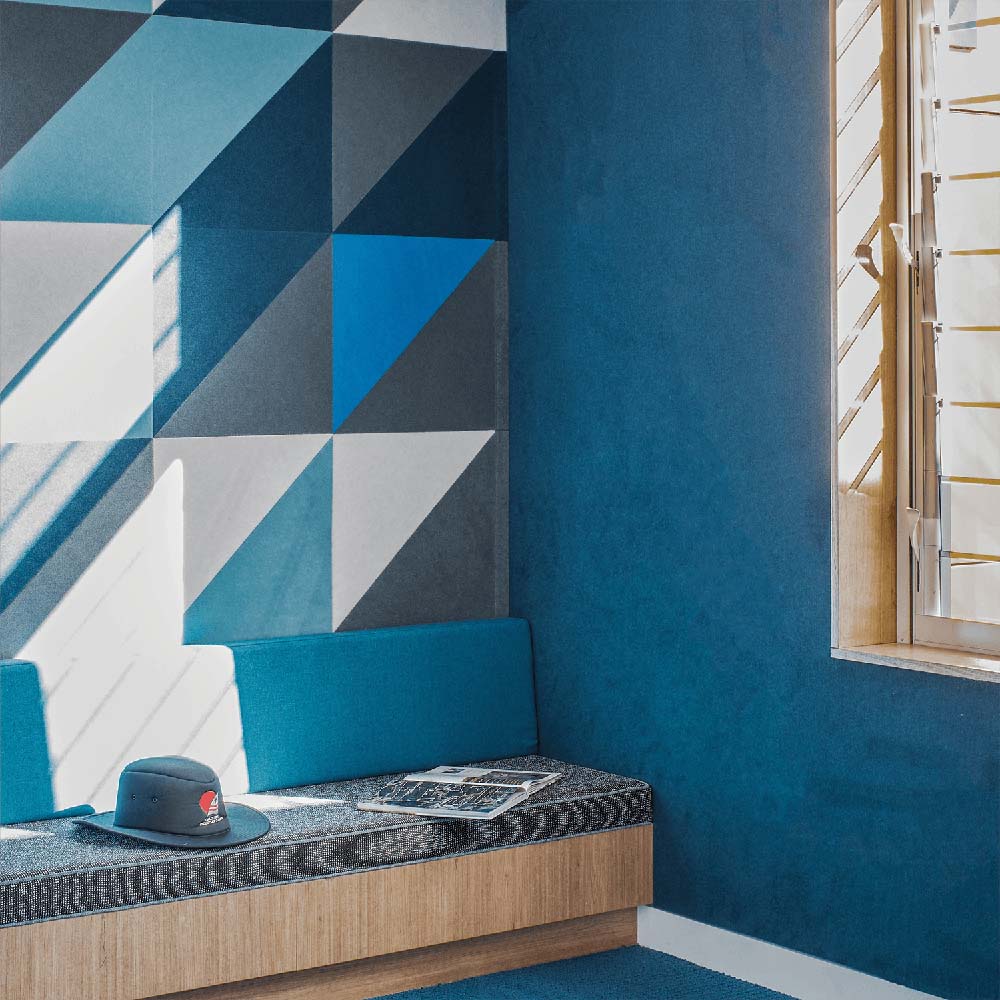
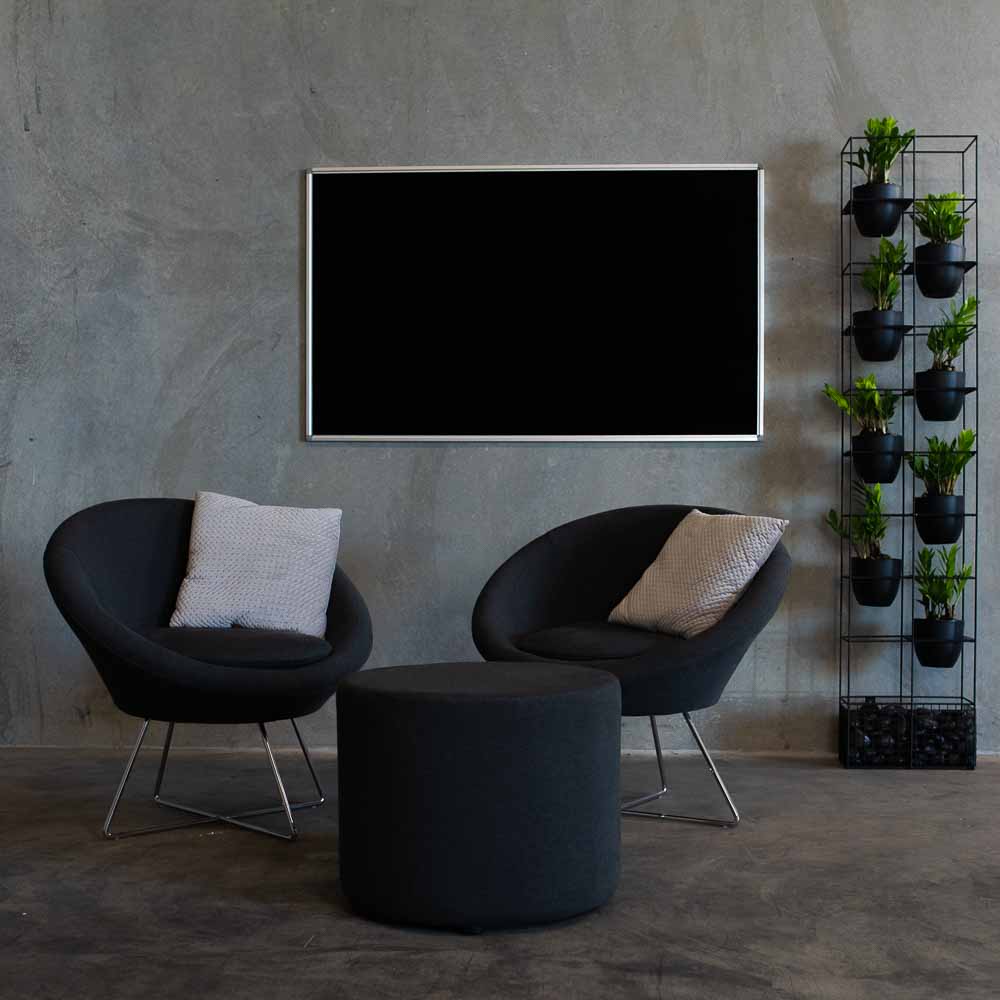
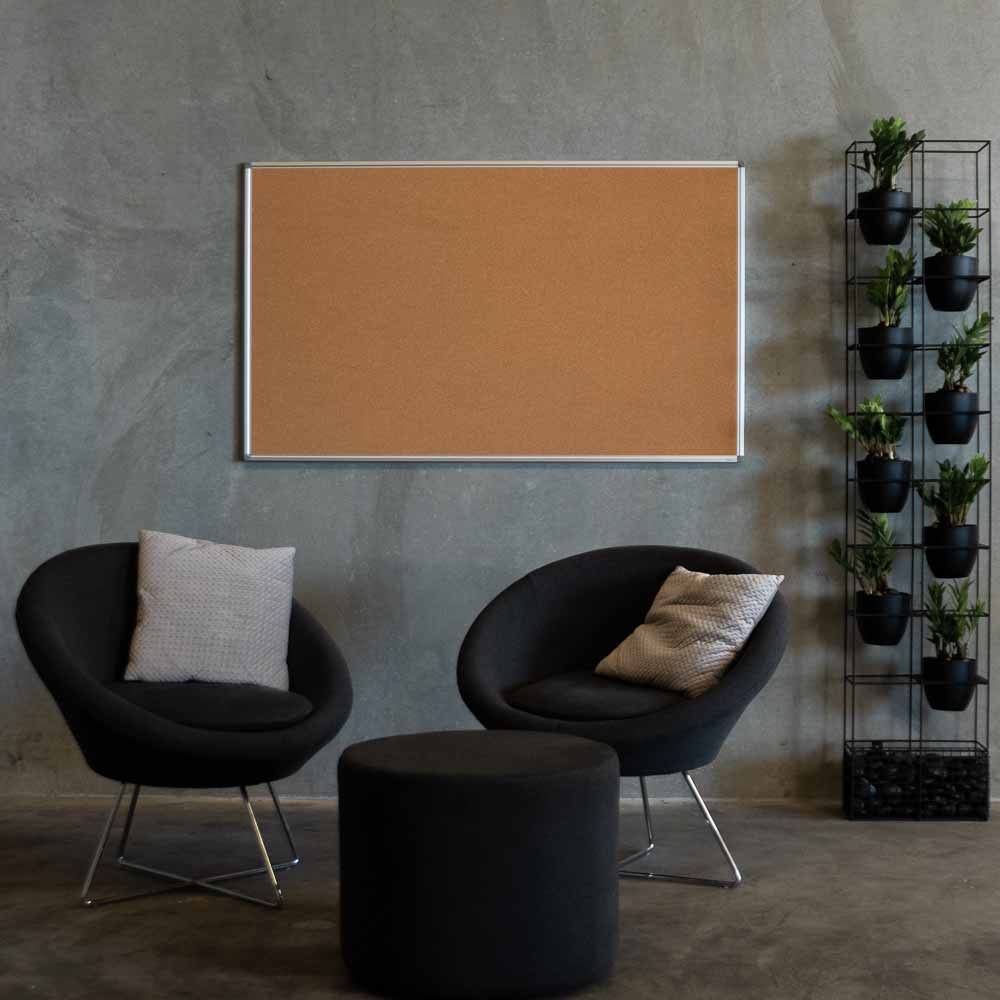
The available fixed pinboards include cork, felt, fabric, framed, slimline, frameless and acoustic options.
The main advantage is consistency. The board remains easy to locate, information stays visible and no mobile base occupies the room.
The main limitation is flexibility. Once installed, the board cannot easily move with a project team, class or training session.
3. Choose a Mobile Pinboard for Flexible Spaces
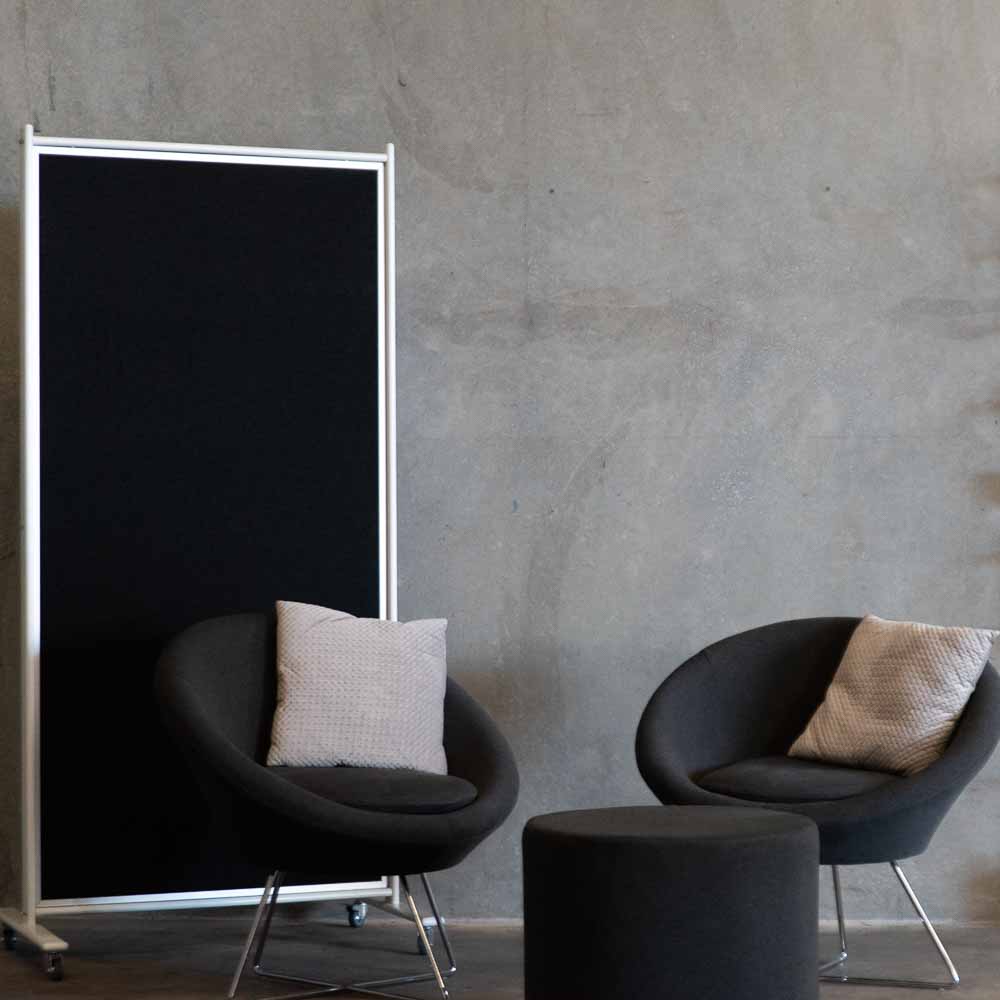
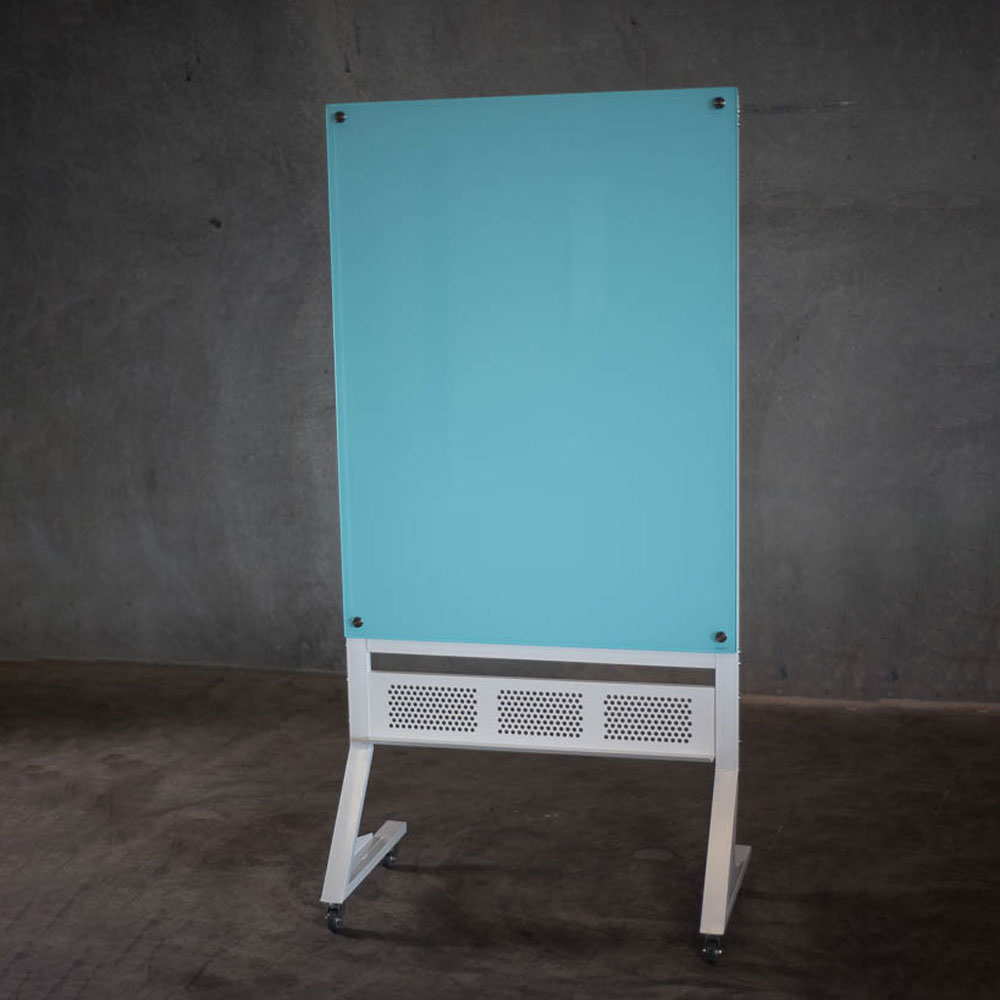
A mobile pinboard is mounted on a freestanding frame, typically with castors that allow it to be repositioned.
It is generally more suitable when:
• Several rooms share the board
• Training sessions move between spaces
• Classroom layouts change
• Displays are temporary
• Wall mounting is unavailable
• Both sides of the board are useful
• The board may act as a visual divider
• Information needs to move with a team or activity
Mobile boards can support:
• Workshops
• Training rooms
• Flexible classrooms
• Project teams
• Events and exhibitions
• Libraries
• Multipurpose rooms
• Temporary planning areas
• Collaborative office spaces
The mobile pinboard range includes portable display boards, combination boards and communication screens for changing commercial and education environments.
Mobility should not be confused with lightweight construction. A commercial mobile pinboard may be substantial because the frame needs enough strength and stability for repeated movement and everyday use.
4. Compare Wall Space With Floor Space
Fixed and mobile boards use room space differently.
Fixed Pinboard Space Requirements
A fixed board requires clear wall area.
Measure:
• Available wall width
• Available wall height
• Door and window positions
• Light switches and power outlets
• Furniture beneath the board
• Wall-mounted screens or equipment
• Comfortable pinning height
• Normal viewing distance
• Wall construction
A wall may appear large enough until joinery, screens, windows and furniture are taken into account.
Mark the proposed board dimensions with removable painter’s tape. This provides a more realistic view of the finished size and helps confirm that every part of the surface remains reachable.
Mobile Pinboard Space Requirements
A mobile board avoids permanent wall installation but requires floor area for the frame and castors.
Measure:
• Overall frame width
• Overall frame depth
• Castor base footprint
• Doorway widths
• Lift dimensions
• Corridor turning space
• Clearance around desks and tables
• Storage space when not in use
Do not compare products using only the dimensions of the pinnable surface. The support frame can be wider and deeper than the board itself.
A portable notice board that fits inside the room may still restrict circulation when placed beside chairs, tables or doorways.
5. Compare Single-Sided and Double-Sided Display Area
Most fixed pinboards provide one visible display surface. Mobile boards are often double-sided, which can increase the total available display area without using an additional wall.
A double-sided pinboard may allow:
• Different groups to use separate sides
• Prepared material to remain hidden until required
• One side to hold permanent resources and the other temporary work
• A workshop facilitator to rotate between activities
• Separate displays for different subjects or departments
• Twice the display capacity within one mobile footprint
However, only one side may be immediately visible from a particular viewing position.
Choose a fixed board when information must remain visible at all times. Choose a double-sided mobile board when total display capacity and flexible use are more important than simultaneous visibility.
Consider how the board rotates or how users move around it. A double-sided surface provides limited value when furniture blocks access to the reverse side.
6. Choose the Right Pinboard Surface
Fixed or mobile describes the installation format, not the surface material.
Depending on the product, options may include:
• Cork
• Felt
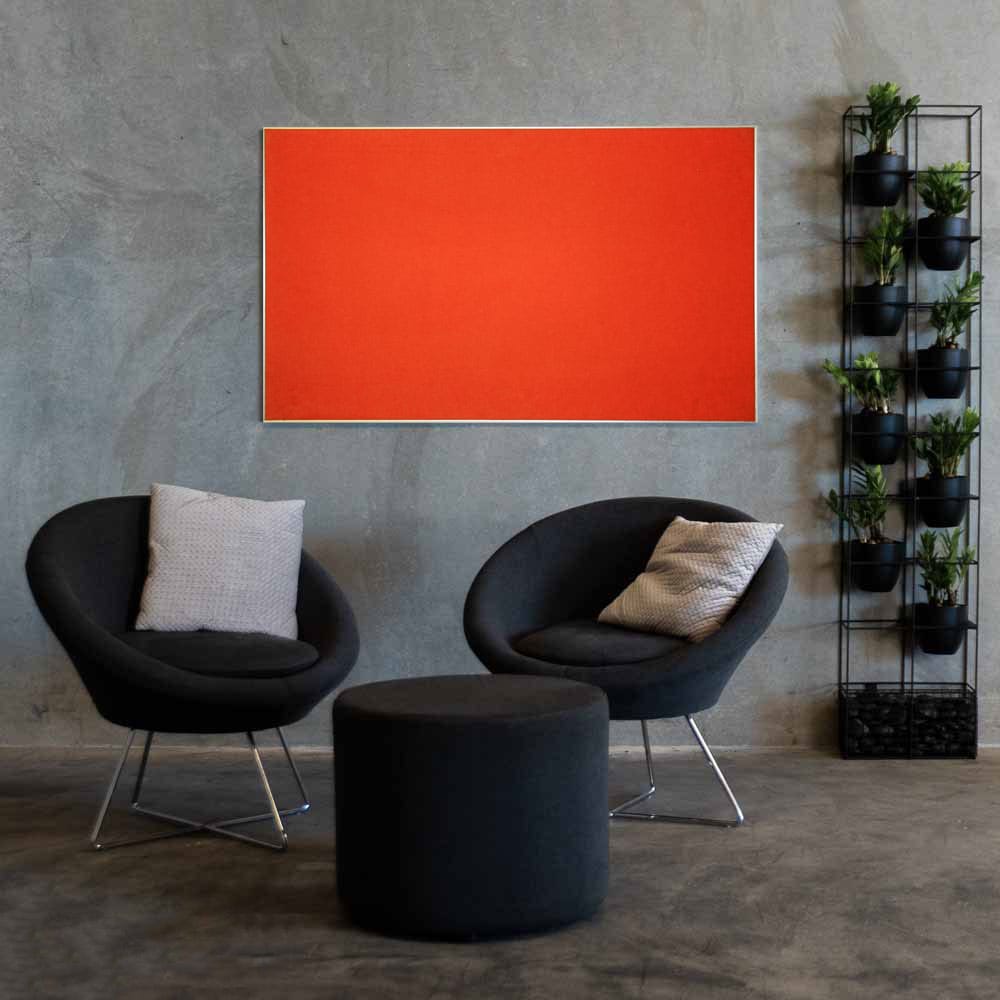
• Fabric or velour
• Hook-and-loop receptive material
• Acoustic pinnable surfaces
• Combination whiteboard and pinboard formats
Cork
Cork is practical for general notices, photographs and lightweight paper displays. It provides a familiar appearance and works with standard push pins.
Felt
Felt provides a uniform commercial finish and reliable pinning resistance for offices, schools and shared facilities.
Fabric or Velour
Fabric surfaces can provide a broader colour choice and more contemporary appearance. Selected products may accept both pins and compatible hook-and-loop fasteners.
Acoustic Pinboard Surfaces
Some pinnable products also absorb reflected sound. These can be useful where the display wall needs to support room acoustics as well as communication.
A conventional fabric board is not automatically an acoustic panel. Check the individual product specification when acoustic performance forms part of the project.
7. Decide Whether Pin, Velcro or Mixed Display Is Required
The fastening method should be confirmed before selecting the board.
Pins
Pins are suitable for:
• Paper notices
• Photographs
• Thin card
• Rosters
• Calendars
• Student work
• Temporary instructions
Check that the selected pins are long enough for the displayed material without being excessive for the board.
Hook-and-Loop Fasteners
Hook-and-loop fastening can be useful for:
• Laminated cards
• Reusable learning resources
• Project headings
• Larger posters
• Presentation material
• Items repositioned frequently
Only use hook-and-loop accessories where the surface is confirmed as compatible. The range of Velcro pinboards includes selected fixed pinnable surfaces designed for both pins and hook fastening.
Mixed Use
A board that supports both methods provides greater flexibility for schools, project rooms, design studios and training facilities.
Test the normal display materials before ordering a large quantity. A surface may hold a single sheet securely but require additional fastening support for laminated cards or layered documents.
[IMAGE 2: fixed-mobile-pinboard-comparison.webp]
8. Match the Format to the Environment
Offices
Fixed pinboards suit recurring staff communication, including:
• Policies
• Rosters
• Workplace events
• Safety information
• Department updates
• Training notices
Mobile pinboards are more useful for project teams, workshops and temporary planning sessions that take place in different rooms.
Classrooms and Education Facilities
Fixed boards provide permanent display space for timetables, student work and classroom resources.
Mobile boards can support:
• Small-group learning
• Flexible teaching zones
• Temporary exhibitions
• Workshop activities
• Shared use between classrooms
• Visual room separation
A mobile board should remain stable when students or staff attach and remove material.
Training Rooms
Training spaces often benefit from mobile, double-sided boards because session formats and furniture layouts change.
A facilitator may prepare one side before the session and use the reverse for participant work, feedback or additional resources.
Healthcare and Government Facilities
Fixed boards are useful where approved information must remain visible in one defined location.
Mobile boards may support temporary planning, training or project activity, but users must ensure confidential or sensitive information is not moved into public view.
Events and Exhibitions
A mobile pinboard can display schedules, posters, workshop instructions and presentation material without requiring wall installation.
Confirm delivery access, frame dimensions, storage and stability before selecting a large portable display.
9. Consider Room-Divider Functionality
Some mobile pinboards can also provide visual separation between work areas, learning groups or temporary meeting zones.
This can be useful when:
• A classroom needs several activity areas
• A workplace needs temporary project zones
• A training room is divided into breakout groups
• A display surface also needs to screen a background
• Permanent construction is unsuitable
A mobile pinboard is not a complete privacy wall. Sound and sightlines can continue around, above and beneath the unit.
Compare purpose-built room dividers when privacy, acoustic absorption or linked panel configurations are central to the project.
The board’s height, width and base should also suit its use as a divider. A narrow mobile pinboard may provide useful local screening without separating the room fully.
10. Check Stability, Mobility and Installation
Fixed Pinboard Installation
Before installing a wall-mounted board, confirm:
• Wall material
• Board weight
• Fixing requirements
• Installation height
• Required clearances
• Number of people needed to handle the board
• Delivery access to the final location
Use fixings suitable for both the wall and the complete product weight. Large pinboards may be awkward to lift and align even when they are not exceptionally heavy.
Mobile Pinboard Stability
Review:
• Castor quality
• Locking mechanisms
• Frame construction
• Base depth
• Safe grip points
• Floor transitions
• Carpet thickness
• Thresholds and ramps
Castors should be locked while the board is being used. Move the unit using the frame rather than pulling on the fabric surface or attached documents.
The Autex Vertiface Mobile Pinboard is an example of a double-sided, pinnable and hook-receptive board mounted on a wheeled frame. Buyers should check the current dimensions, colour options and delivery requirements against their intended room.
11. Compare Long-Term Value
A fixed board will often provide better value when it serves one location for an extended period. It uses no floor space, has a simpler structure and can remain integrated with the room.
A mobile board may justify a higher purchase cost when it replaces several fixed boards or supports multiple departments, classrooms and events.
Consider the total value created by:
• Number of rooms served
• Display area available
• Double-sided use
• Frequency of movement
• Need for temporary room division
• Surface durability
• Colour and customisation requirements
• Installation costs
• Storage requirements
• Expected life of the layout
Do not select mobility as an optional extra if the board will remain in one position permanently. Conversely, a fixed board can become poor value when teams repeatedly need to recreate displays in other rooms.
12. Avoid Common Pinboard Selection Mistakes
Choosing Mobile Without Measuring the Base
The board surface may fit while the castor frame obstructs walkways or furniture.
Choosing Fixed Without Checking the Wall
Confirm the wall construction, fixtures and installation clearances before ordering.
Assuming Every Mobile Board Is Double-Sided
Check the product specification and confirm whether both sides provide the same surface.
Ignoring Storage
A mobile pinboard requires a safe location when it is not in use.
Buying Too Small
Documents need spacing to remain readable. A crowded notice board is harder to scan and maintain.
Expecting Complete Privacy
A mobile display board can interrupt sightlines but does not form an enclosed room.
Assuming Every Fabric Surface Accepts Velcro
Confirm hook-and-loop compatibility before purchasing accessories.
Forgetting Delivery Access
Large mobile and fixed boards must pass through doors, lifts, corridors and loading areas.
Ignoring Normal Viewing Distance
Notices that are legible at arm’s length may be difficult to read from across a classroom or training room.
Final Fixed vs Mobile Pinboard Checklist
Before ordering, confirm:
• Primary display purpose
• Permanent or changing location
• Number of rooms served
• Required display area
• Single-sided or double-sided use
• Cork, felt, fabric or acoustic surface
• Pin requirements
• Hook-and-loop requirements
• Available wall space
• Available floor space
• Overall frame footprint
• Viewing distance
• Comfortable reach
• Castor locks and stability
• Wall and fixing requirements
• Doorway and lift access
• Storage location
• Room-divider requirements
• Colour or custom-size requirements
• Maintenance responsibility
[IMAGE 3: mobile-pinboard-training-application.webp]
Conclusion
Choose a fixed pinboard when information belongs in one permanent location, continuous visibility is important and floor space needs to remain clear.
Choose a mobile pinboard when displays need to move between rooms, both sides of the board will be used or the product also supports workshops, exhibitions and flexible space division.
The final choice should account for usable display area, surface material, fastening method, frame footprint, access and storage. Measuring the complete installation rather than only the board surface will help avoid an option that fits on paper but does not work in the room.
For exclusive educator discounts, visit our Education Hub!