
Chalkboards and whiteboards both provide reusable writing surfaces, but they suit different environments, presentation styles and maintenance preferences.
A whiteboard is generally the more practical choice for offices, training rooms, operational workplaces and modern classrooms where users need clean erasing, magnetic document display and strong contrast under typical indoor lighting. A chalkboard can be preferable for hospitality venues, creative spaces, traditional teaching environments and applications where a dark surface provides the desired appearance.
The right choice depends on how often the board will be used, which writing tools are preferred, the surrounding lighting, required magnetic functionality and how much cleaning the surface will receive.
1. Understand the Difference Between Chalkboards and Whiteboards
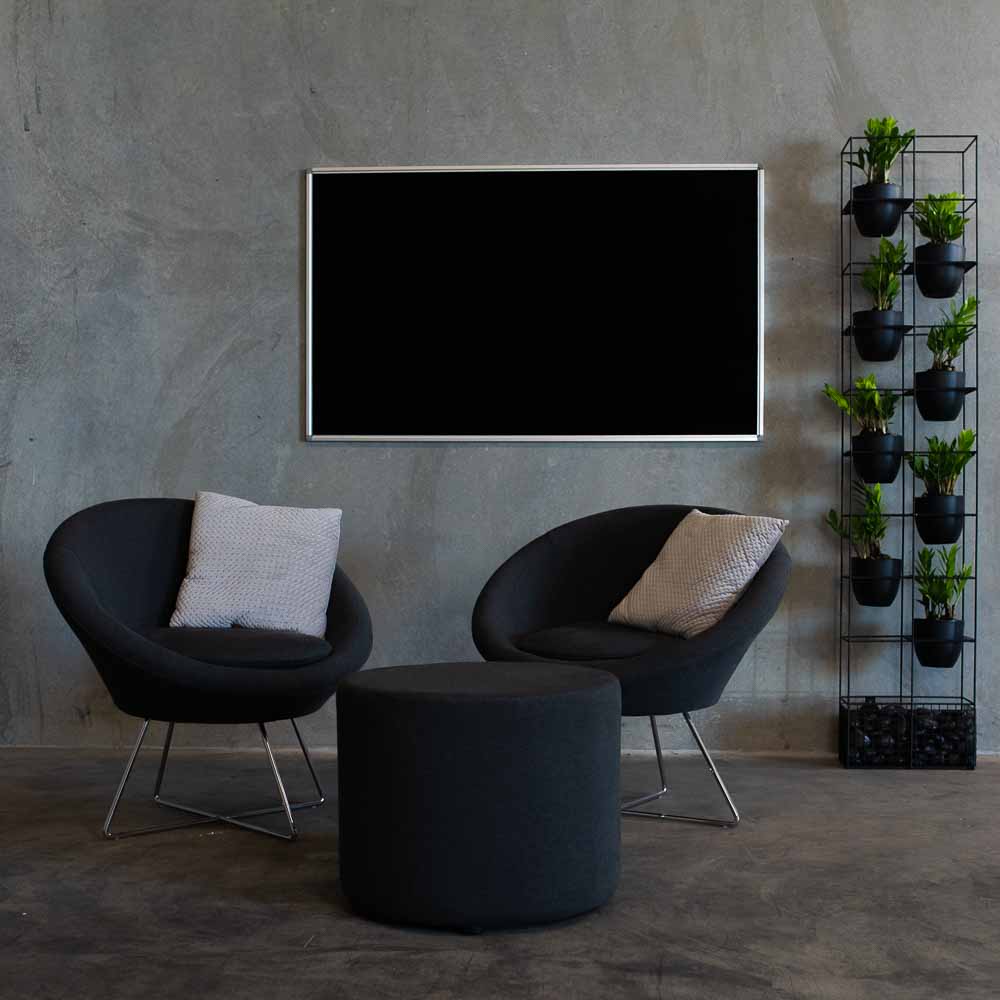
A chalkboard, also called a blackboard, uses a dark writing surface designed for compatible chalk. Commercial options may use painted, coated or porcelain-based construction, depending on the product.
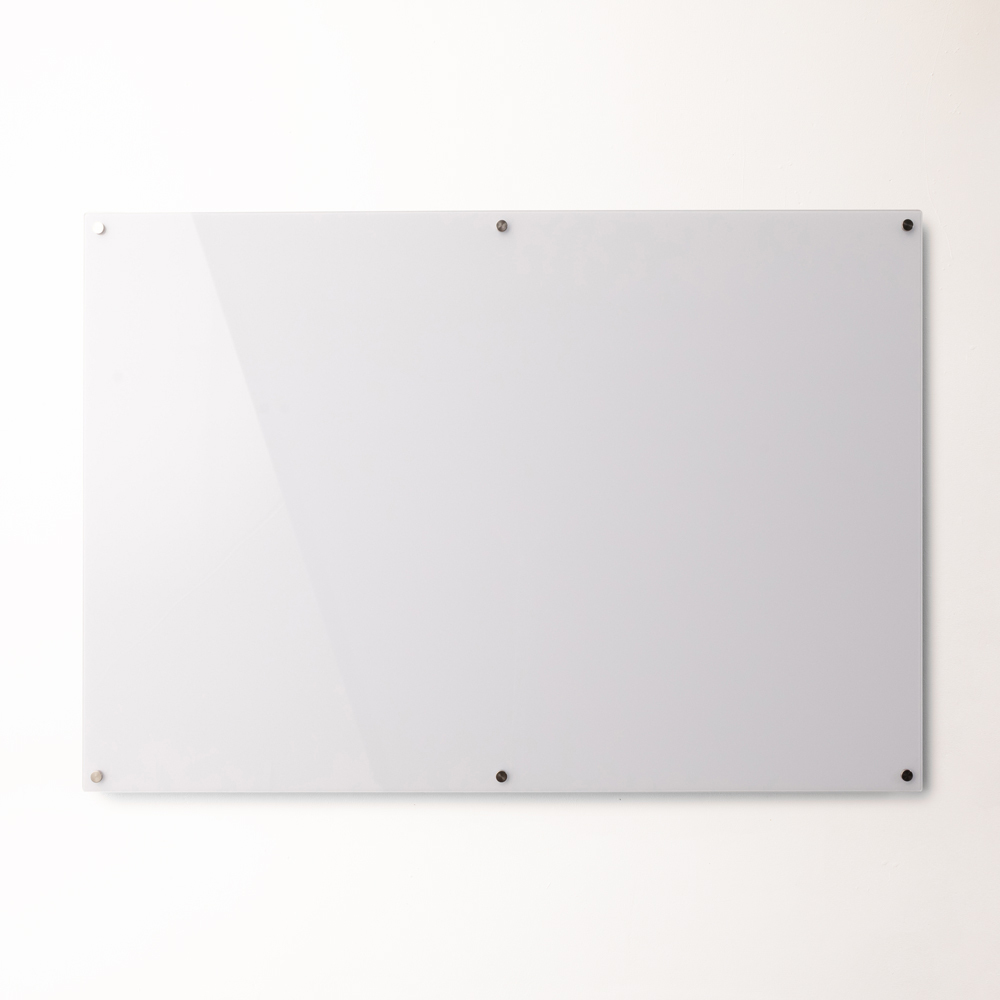
A whiteboard uses a light-coloured dry-erase surface designed for compatible whiteboard markers. Common surface materials include coated steel, porcelain steel and glass.
Both board types can support:
• Teaching
• Presentations
• Planning
• Diagrams
• Staff communication
• Schedules
• Creative work
• Temporary notices
• Group collaboration
The main differences involve:
• Surface colour
• Writing tools
• Erasing method
• Cleaning requirements
• Magnetic capability
• Appearance
• Visibility under different lighting
• Suitability for frequent use
Buyers can compare available blackboards and whiteboards after identifying the practical requirements of the room.
2. Compare the Writing Experience
Writing feel is one of the clearest differences between the two surfaces.
Writing on a Chalkboard
Chalk creates greater friction against the surface. Some users prefer this tactile resistance for handwriting, diagrams and creative work.
Traditional chalk may vary in:
• Thickness
• Hardness
• Colour intensity
• Dust production
• Ease of erasing
• Compatibility with the surface
Chalk lines generally have a softer appearance than marker lines. This can suit decorative displays, menus, sketches and teaching environments where a traditional visual style is preferred.
Liquid chalk markers may not be suitable for every chalkboard. Confirm compatibility before use, as some products are intended for non-porous surfaces rather than conventional chalkboards.
Writing on a Whiteboard
Dry-erase markers generally provide a smoother writing action and stronger colour options.
Whiteboards can be useful when users need:
• Fine writing
• Colour-coded planning
• Detailed diagrams
• High-contrast presentations
• Fast updates
• Clean document annotation
• Several marker colours
Marker performance depends on the surface condition and the quality of the pen. A worn surface or unsuitable marker can produce faint writing, staining or difficult erasing.
The preferred writing experience is partly personal, but the board also needs to support the information normally displayed.
3. Compare Visibility and Contrast
A board must remain readable from the normal viewing positions within the room.
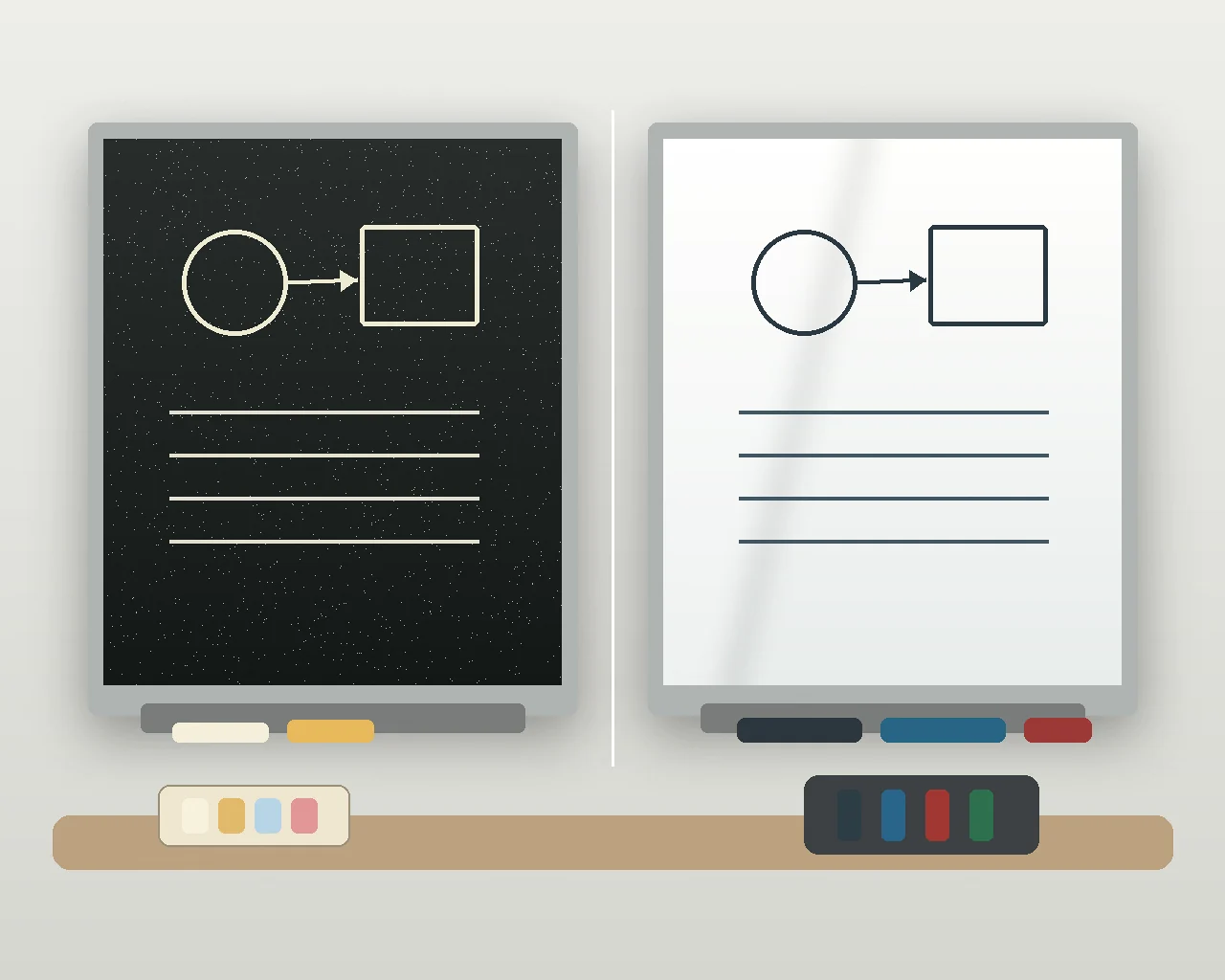
Chalkboards typically use light chalk on a dark surface. Whiteboards typically use dark or coloured markers on a white surface.
Chalkboard Visibility
A dark board can provide strong contrast when used with white or brightly coloured chalk.
It may work well for:
• Short headings
• Large diagrams
• Hospitality displays
• Creative illustrations
• Traditional classroom presentations
• Feature walls
However, faint chalk, surface dust and reflected light can reduce readability. Small writing may become difficult to see from a distance.
Whiteboard Visibility
Black, blue and other dark markers usually provide clear contrast against a white surface.
Whiteboards are commonly suited to:
• Meeting-room notes
• Classroom instruction
• Process diagrams
• Detailed schedules
• Operational planning
• Training presentations
Lighter marker colours may be difficult to read from the back of a room. Yellow and pale colours are often more useful for highlights than primary writing.
Test visibility from the furthest seat rather than judging the board only from the writer’s position.
4. Match Surface Durability to Usage Frequency
Surface construction affects how long the board remains easy to write on and erase.
A board used occasionally in a café or small office may have different requirements from one used continuously in a school, warehouse or training facility.
Light or Occasional Use
A general-purpose surface may be suitable when:
• The content changes infrequently
• One or two people use the board
• The board is primarily decorative
• Writing sessions are brief
• The board receives regular maintenance
Frequent Commercial or Education Use
A more durable surface may provide better long-term performance when:
• The board is used throughout the day
• Several people write on it
• Detailed information is retained
• Cleaning occurs frequently
• The room has high traffic
• Replacement would be disruptive
Commercial chalkboards and porcelain whiteboards can be considered for high-use settings, subject to the individual product specification.
Do not assume every dark board or white board has the same construction. Check the surface material, intended usage and care instructions before ordering.
5. Compare Cleaning and Maintenance
Both surfaces require suitable cleaning practices, but their day-to-day maintenance differs.
Cleaning a Chalkboard
Routine chalkboard maintenance may involve:
• Removing loose chalk with a suitable eraser
• Wiping residual dust from surrounding trays
• Periodic cleaning with an appropriate cloth
• Allowing the surface to dry fully
• Avoiding products that leave residue
• Following the manufacturer’s instructions
Cleaning a chalkboard with an overly wet cloth can temporarily make the surface difficult to write on. Residual moisture may also produce uneven chalk lines.
A chalkboard can develop a dusty or cloudy appearance when it is not cleaned thoroughly. The existing chalkboard cleaning guide provides further maintenance guidance.
Cleaning a Whiteboard
Routine whiteboard maintenance may involve:
• Erasing content after use
• Removing remaining ink with a microfibre cloth
• Using a compatible whiteboard cleaner when required
• Cleaning marker trays
• Replacing dried or damaged erasers
• Avoiding abrasive products
Whiteboard ghosting can occur when marker residue remains visible after erasing. This may result from unsuitable markers, infrequent cleaning, an ageing surface or content being left in place for extended periods.
The correct care method depends on the specific surface. Avoid using household cleaners without confirming compatibility.
6. Decide if Magnetic Functionality Is Required
Magnetic functionality can turn a writing board into a combined planning and display surface.
A magnetic board may hold:
• Printed documents
• Photographs
• Rosters
• Task cards
• Plans
• Notices
• Magnetic labels
• Marker holders
• Erasers
• Status indicators
Some commercial chalkboards and whiteboards use steel-based construction and accept magnets. Others do not.
The Blackboard Standard Aluminium Frame is an example of a framed dark writing board intended for chalk-based communication. Buyers should check the current product specification for surface and magnetic details.
Do not determine magnetic capability from appearance alone.
Before ordering, confirm:
• Whether the surface accepts magnets
• Which magnet strength is required
• Whether documents will remain attached securely
• How much writing space the documents will occupy
• Whether magnetic accessories suit the board material
A magnetic whiteboard may be the stronger option for workflow planning, staff scheduling and document-heavy communication.
7. Match the Board to the Environment
The intended location often determines which surface is more practical.
Schools and Classrooms
Whiteboards are widely suited to classrooms because they support coloured markers, detailed writing and magnetic teaching resources.
A chalkboard may still be appropriate when:
• The school prefers a traditional teaching surface
• Chalk is used for drawing or handwriting activities
• A dark background improves the intended presentation
• The board supports specialist subjects
• Existing classrooms are configured for chalk use
Consider dust, cleaning routines, student viewing distance and surface durability before selecting a classroom board.
Offices and Meeting Rooms
Whiteboards are generally more practical for offices because they suit fast note-taking, diagrams, project planning and colour-coded collaboration.
A dark chalkboard may be used in:
• Creative studios
• Informal breakout areas
• Staff cafés
• Reception spaces
• Feature walls
• Design workshops
For a conventional boardroom or project meeting space, a fixed whiteboard will usually integrate more easily with day-to-day workplace communication.
Cafés, Restaurants and Hospitality Venues
Chalkboards suit hospitality environments where information changes regularly and appearance is part of the presentation.
Common applications include:
• Menus
• Daily specials
• Welcome messages
• Event information
• Directional signs
• Promotional displays
The board should be positioned where customers can read it easily without obstructing service areas or walkways.
Confirm whether traditional chalk or compatible liquid chalk markers will be used before selecting the surface.
Warehouses and Operational Workplaces
Whiteboards generally provide stronger support for:
• Shift planning
• Safety communication
• Production schedules
• Maintenance tracking
• Staff allocation
• Workflow status
• Key performance measures
A durable magnetic surface can make documents and movable status cards easier to manage.
Chalkboards may be less practical where dust, frequent updates or small detailed writing create maintenance challenges.
Creative and Design Environments
Either surface can work well.
Choose a chalkboard for:
• Freehand sketching
• Temporary artwork
• Dark visual backgrounds
• Informal creative expression
Choose a whiteboard for:
• Detailed planning
• Coloured diagrams
• Magnetic references
• Document annotation
• Clean photographic records
8. Select the Right Size and Mounting Format
The board type does not correct an unsuitable size.
Measure:
• Available wall width
• Available wall height
• Normal viewing distance
• Number of users
• Amount of information displayed
• Furniture beneath the board
• Door and window clearance
• Comfortable writing height
• Installation access
• Delivery access
Fixed Wall-Mounted Boards
Fixed boards suit rooms where the communication surface remains in one defined location.
Advantages can include:
• No mobile base using floor space
• Consistent viewing position
• Permanent installation
• Broad size options
• Clean room layout
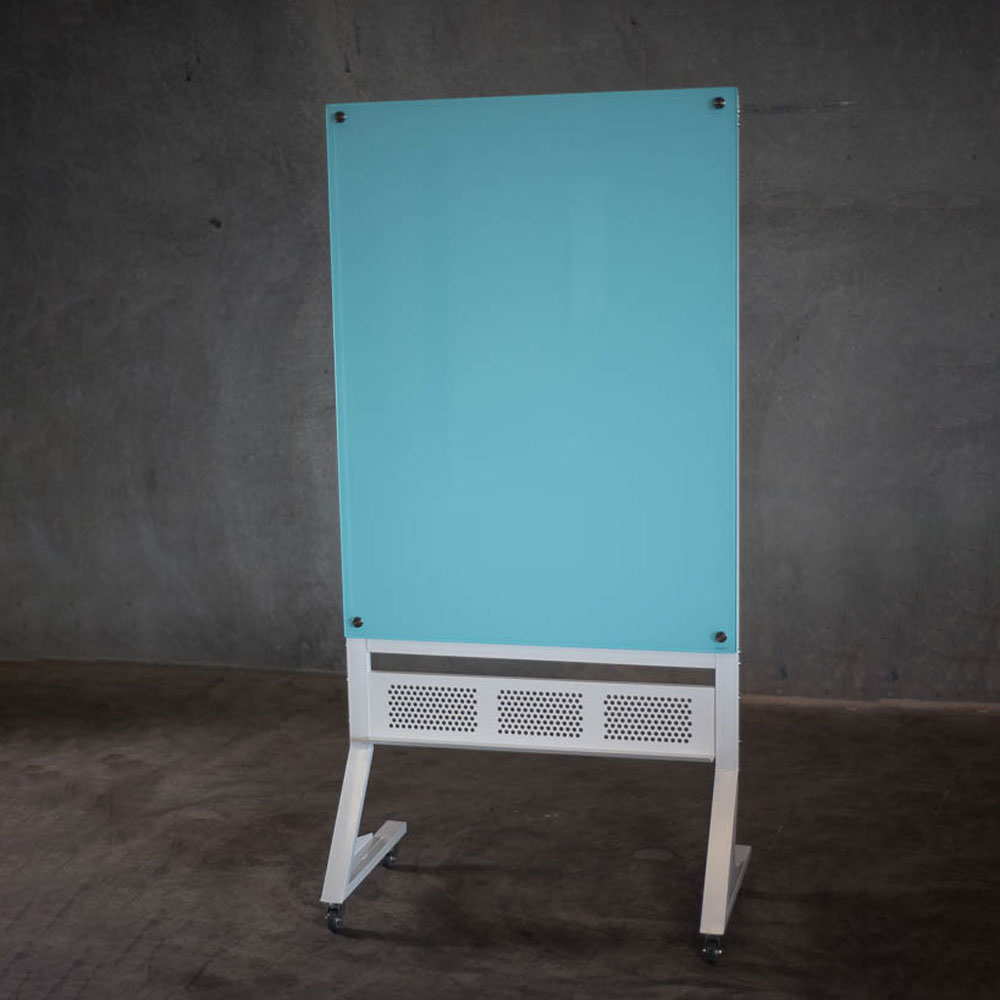
Mobile Boards
Mobile boards can support:
• Flexible classrooms
• Training rooms
• Workshops
• Shared meeting facilities
• Temporary displays
• Changing room layouts
Confirm the complete frame dimensions, wheelbase and storage requirements.
Small Chalkboards and Whiteboards
Compact boards can suit personal notes, countertop displays and limited communication.
They may be unsuitable where:
• Several people need to read the content
• Detailed information is required
• Documents are attached
• Several users write simultaneously
Large Boards
Large boards provide more writing capacity but require suitable wall strength, delivery access and mounting height.
Mark the proposed dimensions with painter’s tape before ordering and check the outline from the normal viewing positions.
9. Compare Accessories and Ongoing Supplies
he board’s operating cost includes its accessories and consumables.
Chalkboard Accessories
These may include:
• White chalk
• Coloured chalk
• Chalkboard erasers
• Cleaning cloths
• Chalk trays
• Compatible magnets
• Liquid chalk markers where approved
Whiteboard Accessories
These may include:
• Dry-erase markers
• Whiteboard erasers
• Cleaning spray
• Microfibre cloths
• Magnets
• Pen holders
• Magnetic document clips
• Replacement marker trays
Check how frequently supplies need to be replaced and how easily they can be stored beside the board.
A board becomes less useful when:
• Markers are frequently dry
• Chalk is unavailable
• Erasers are damaged
• Cleaning products are stored elsewhere
• Users apply incompatible writing tools
• Accessories cannot be located during meetings or lessons
Assign responsibility for replenishing consumables in shared facilities.
10. Compare Appearance and Interior Design
Chalkboards and whiteboards create different visual effects.
Chalkboard Appearance
A dark chalkboard can provide:
• A traditional appearance
• Strong visual contrast
• A creative or informal feel
• Compatibility with industrial or hospitality interiors
• A feature-wall effect
It may appear visually heavy in a small or dark room.
Whiteboard Appearance
A whiteboard can provide:
• A clean commercial appearance
• Better integration with light walls
• A familiar teaching or meeting-room format
• Strong compatibility with modern offices
• A neutral background for coloured markers
A large whiteboard may blend into the wall more easily, but glare should be checked near windows and bright lighting.
Appearance should follow function. A visually attractive board that is difficult to maintain or read will not support the space effectively.
11. Avoid Common Buying Mistakes
Choosing by Appearance Alone
A dark or light surface should still satisfy writing, cleaning and visibility requirements.
Assuming Every Chalkboard Accepts Liquid Chalk Markers
Some liquid chalk products are designed for specific non-porous surfaces. Confirm compatibility.
Assuming Every Board Is Magnetic
Check the individual product specification.
Ignoring Chalk Dust
Traditional chalk can leave residue on the tray, wall and nearby surfaces. Consider the room and cleaning routine.
Using Permanent Markers on a Whiteboard
Supply clearly identified dry-erase markers and store them near the board.
Selecting a Board That Is Too Small
Allow for realistic handwriting, attached documents and retained information.
Choosing a Low-Use Surface for Heavy Daily Use
Match the construction to the expected frequency of writing and cleaning.
Ignoring Lighting
Glare can affect both dark and light surfaces. Inspect the room throughout the day.
Forgetting Consumables
Include chalk, markers, erasers and cleaning products in the purchasing plan.
Failing to Test the Writing Method
Where possible, test the preferred chalk or markers on the selected surface before standardising a large order.
Final Chalkboard vs Whiteboard Checklist
Before ordering, confirm:
• Primary application
• Preferred writing tool
• Expected frequency of use
• Required surface durability
• Normal viewing distance
• Required board size
• Fixed or mobile format
• Magnetic requirements
• Document display needs
• Lighting and glare
• Dust tolerance
• Cleaning process
• Accessory storage
• Interior appearance
• Wall and installation requirements
• Delivery access
• Compatibility with chalk or markers
• Responsibility for maintenance

Conclusion
Choose a chalkboard when a dark surface, traditional writing feel or decorative presentation is central to the application. Chalkboards can suit hospitality venues, creative environments and selected education spaces.
Choose a whiteboard when clean updates, coloured markers, detailed planning and magnetic document display are more important. Whiteboards are generally the stronger option for offices, operational workplaces, training facilities and many modern classrooms.
The final decision should account for surface construction, writing tools, cleaning, visibility, magnetic functionality and expected usage. Comparing these practical factors will produce a more useful result than choosing by colour or appearance alone.
For exclusive educator discounts, visit our Education Hub!