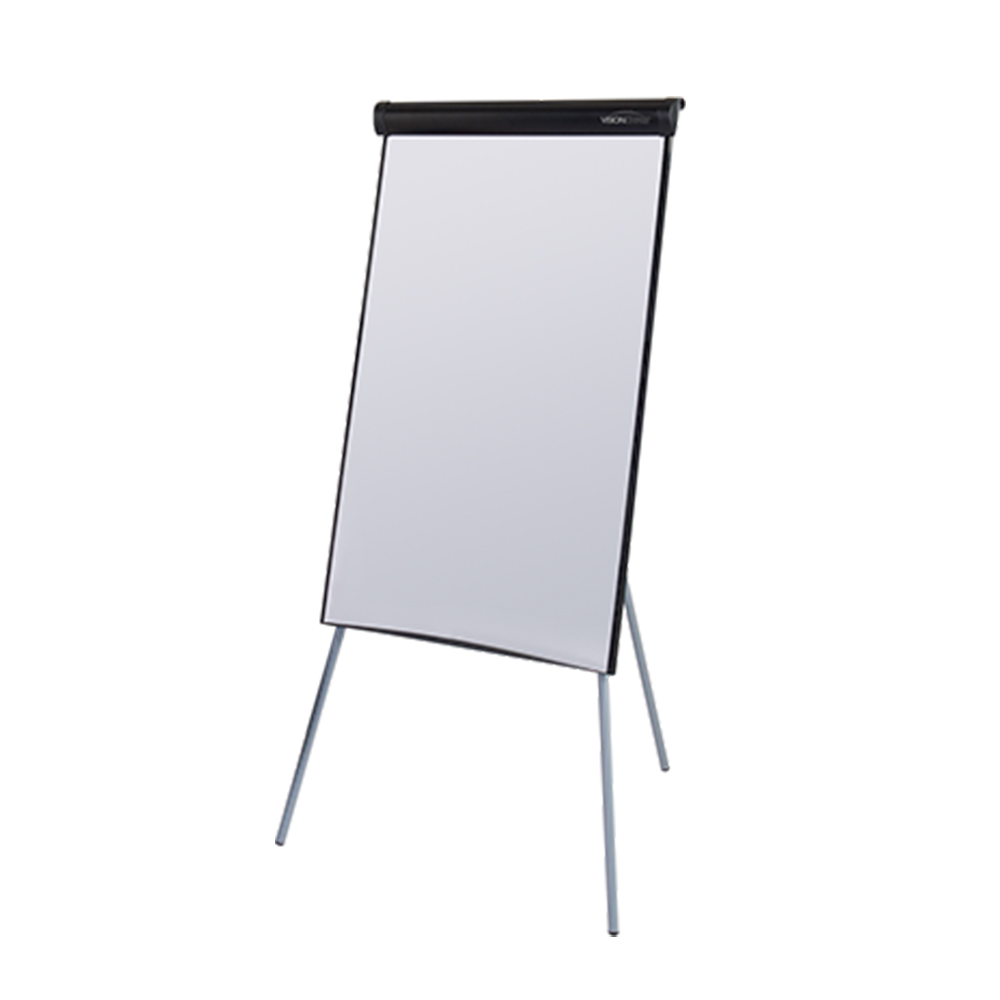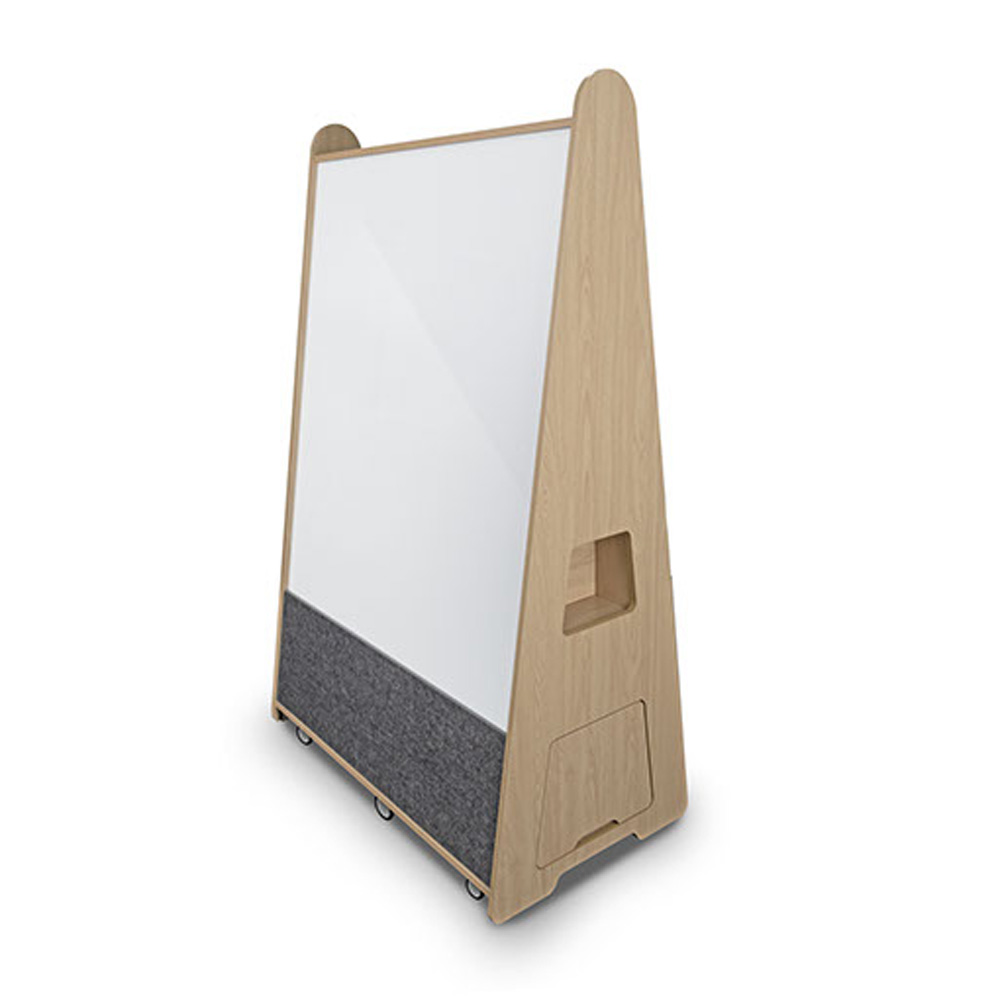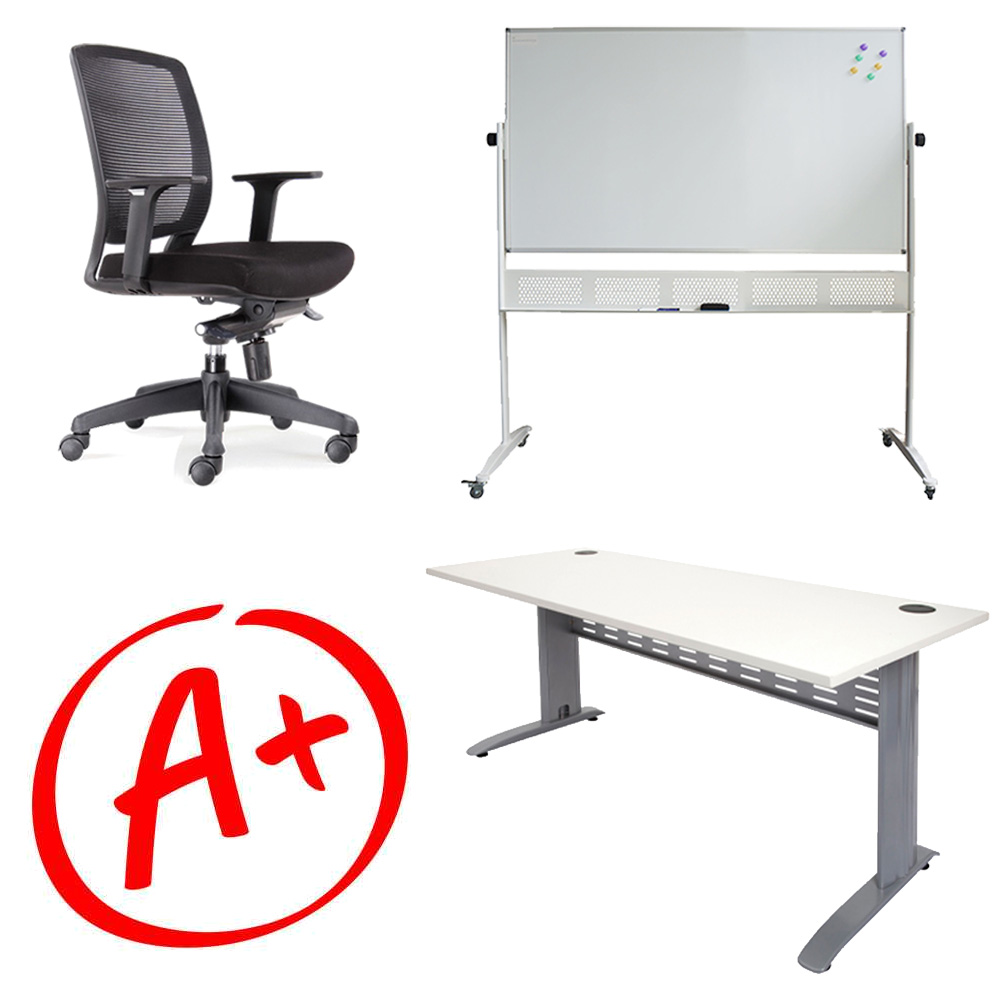
Plan one usable writing station for each group that must work at the same time, then account for facilitator notes and information that must remain visible. The number of participants alone does not determine how many mobile whiteboards you need.
For a workplace training session, a board may move between group discussion, presentations and storage. Mapping those stages helps avoid buying too few boards—or filling the room with equipment that has no clear purpose.
The mobile whiteboard range provides a starting point once you know how the session will operate.
Count Concurrent Groups First
Start with the agenda. Identify each activity requiring people to write, sort ideas or present findings together.
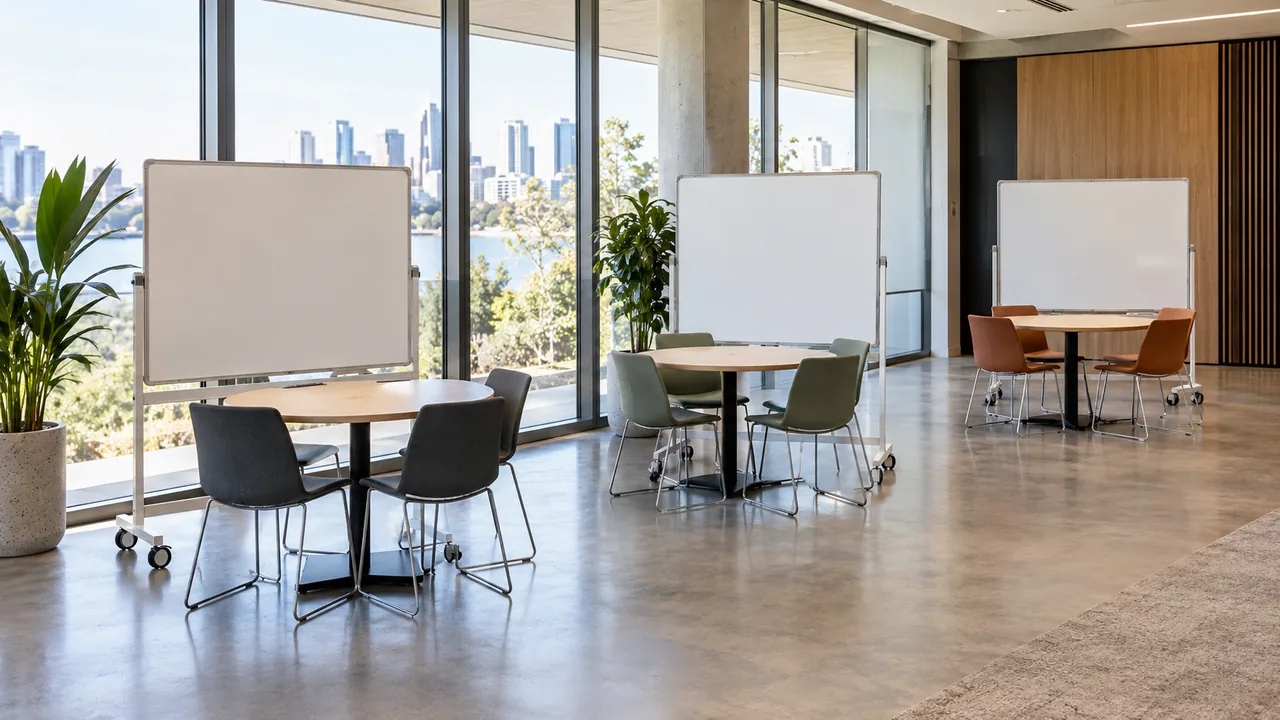
If four groups need to develop their answers simultaneously, plan four writing stations. A single large board at the front may hold plenty of information but still leave groups waiting to use it.
Then ask whether the facilitator needs a separate board for instructions, timings or shared conclusions. That requirement depends on whether the room already has a suitable display or fixed writing surface.
For example, a hypothetical workshop with 24 people in four groups of six could use four group boards. A fifth board may be useful if the facilitator’s agenda must remain visible independently. This is an activity-based example, not a fixed ratio for every workshop.
Separate Working Space From Retained Information
A board used for new ideas cannot necessarily be erased as soon as a group finishes. Earlier work may be needed for comparison, voting or the final discussion.
For each activity, decide whether the content will be:
- Erased before the next task.
- Retained on the reverse side.
- Captured using an approved method and then cleared.
- Kept visible while another group writes.
That final requirement is easy to overlook. Two writing surfaces on one board do not automatically provide two independently visible stations.
If both sides need attention at once, check whether people can gather around the frame without obstructing each other or the surrounding room. Otherwise, separate boards may be more useful.
Use Double-Sided Boards Deliberately
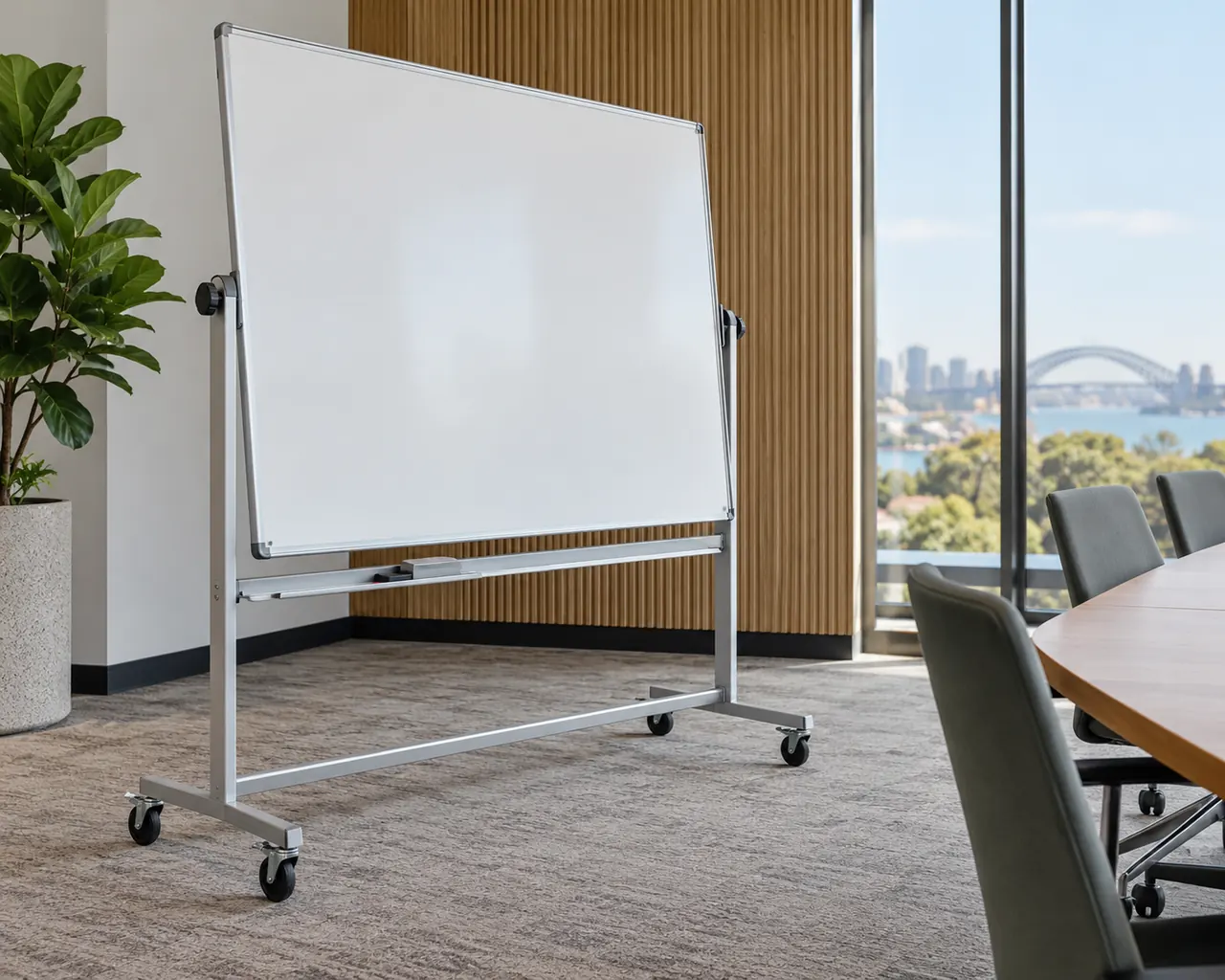
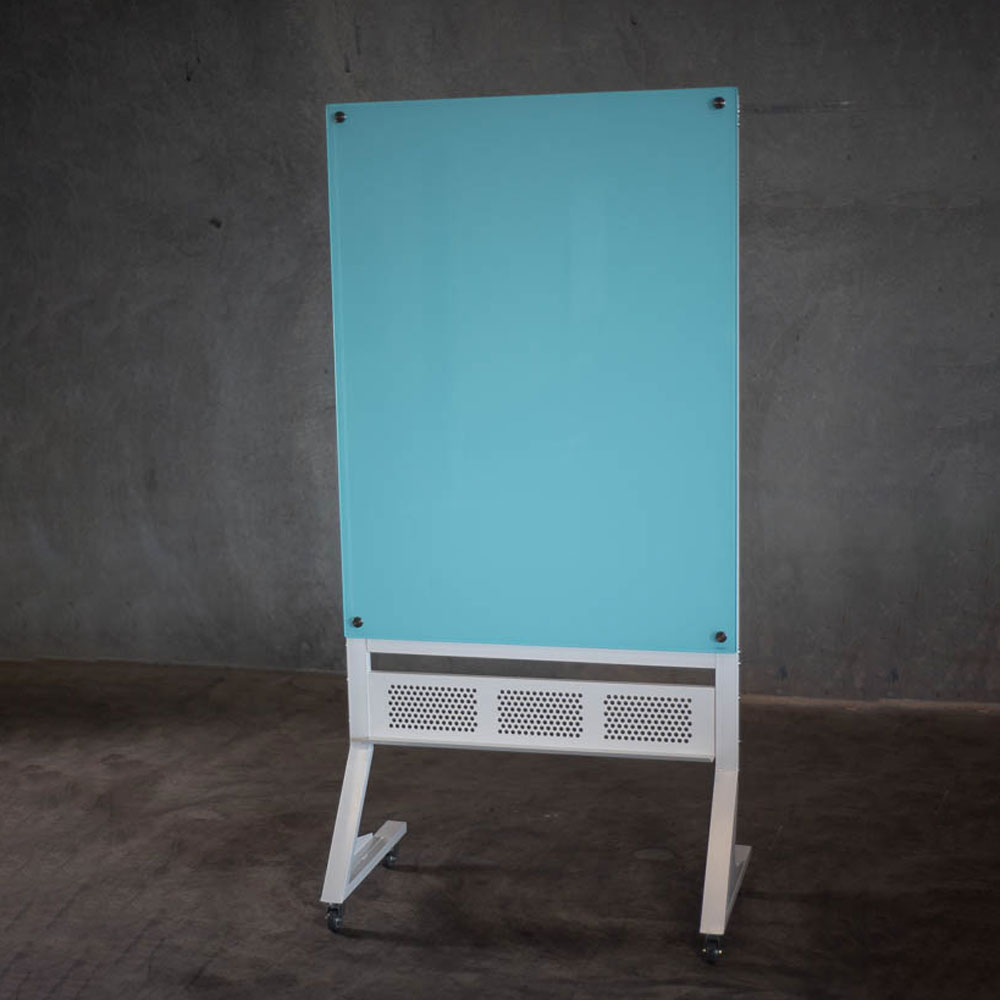
The Commercial Mobile Whiteboard has a magnetic, double-sided surface, 360-degree board rotation, locking castors and a built-in pen tray.
One side can hold prepared material while the other remains available for discussion. Alternatively, a group can retain its first exercise on one face and use the reverse for a second task.
Plan when rotation happens. Check clearance around the board and follow its operating instructions so the surface is secured for writing. Do not assume that turning a board will preserve the audience’s view of both tasks.
Magnetic functionality can also support compatible paper-based resources, but confirm the accessories suit the chosen surface and will remain secure during the intended activity.
Test the Layout With People Around Each Board
Mark the full frame footprint for each writing station, including its base. Add space for group members to stand, write and step back to read.
Place stations where participants can work without blocking doorways or the main circulation route. Consider the transition to presentations: can each group show its results without moving every table?
A board at the far end of a large room may not be readable by the whole workshop. Test the intended writing size from the furthest viewing position. If the session moves between small-group work and whole-room review, plan for both viewing distances.
Do not use writing-surface dimensions as the assembled frame dimensions. Obtain the relevant overall measurements for the selected size before confirming the layout.
Decide Whether Sharing Between Rooms Is Realistic
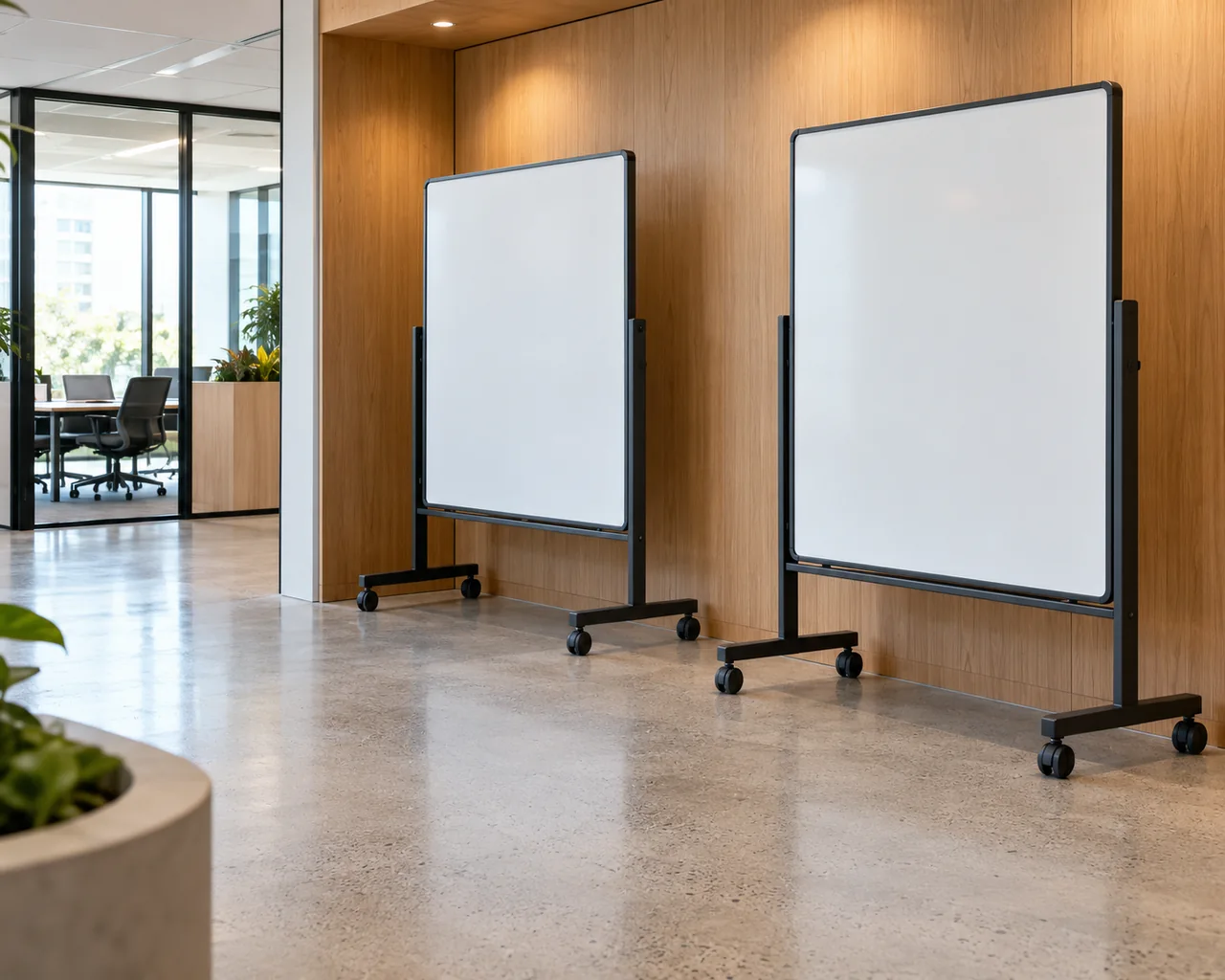
Sharing boards can reduce the quantity required when sessions run at different times. Check the actual timetable, including setup, pack-down and the time needed to retain notes.
Two rooms with consecutive bookings may still need separate equipment if the first facilitator must leave the board intact while the second prepares.
Measure the transfer route, including doors, turns and lifts. Confirm that the assembled board can reach both rooms and its storage position using the intended handling method.
If you are still deciding whether mobility is necessary, the guide to fixed versus mobile whiteboards covers that earlier choice. Once mobile boards are selected, base the quantity on concurrent activities and changeover needs.
Prepare a Board Schedule Before Ordering
List each room or workshop station and record:
- The activity it supports and maximum simultaneous groups.
- Required writing area and viewing distance.
- Whether previous work must remain visible.
- Surface and accessory requirements.
- Storage position and transfer route.
- Who cleans, restocks and returns the board.
Keep markers and erasers available at every active station so groups do not have to share one set across the room. Check cleaning products against the selected surface’s care instructions.
For a clear purchasing brief, discuss your workshop board requirements with Whiteboards & Pinboards. Provide the agenda, concurrent group count, room plan and access measurements so the proposed quantity and board sizes can be checked together.