
A notice board should make information easy to display, update and find. The right choice depends on what will be posted, how frequently the content changes, where the board will be installed and whether it needs to remain fixed or move between rooms.
For most buyers, the key decisions are surface type, size, mounting style and intended use. Cork suits straightforward pinning, fabric and velour surfaces provide a more finished presentation, acoustic pinboards add sound-absorbing function, and combination boards provide both a writing surface and a pinnable display area.
Whiteboards and Pinboards offers notice board solutions for offices, schools, healthcare facilities, training rooms and shared commercial spaces. The following buying guide explains how to narrow the available options to a board that suits the room and the people using it.
1. Define What the Notice Board Needs to Do
Start with the information that will be displayed. A staff notice board used for rosters and internal updates has different requirements from a classroom bulletin board, a project wall or a public information point.
List the content you expect to post, such as:
• A4 notices and policy updates
• Rosters, schedules and calendars
• Student work and classroom resources
• Project plans and visual references
• Event information and community announcements
• Photographs, diagrams and presentation materials
Then consider how often the content will change. A board updated several times a day needs a durable surface and convenient placement. A display that changes monthly may place greater importance on appearance, colour and the amount of usable area.
The viewing audience matters as well. A board used by one small team can be compact and positioned close to workstations. A notice board in a corridor, reception area or school common space needs to be visible from further away and large enough to prevent important information from becoming crowded.
2. Choose Between a Fixed and Mobile Notice Board
The first structural decision is whether the board should be wall mounted or freestanding.
Fixed Notice Boards
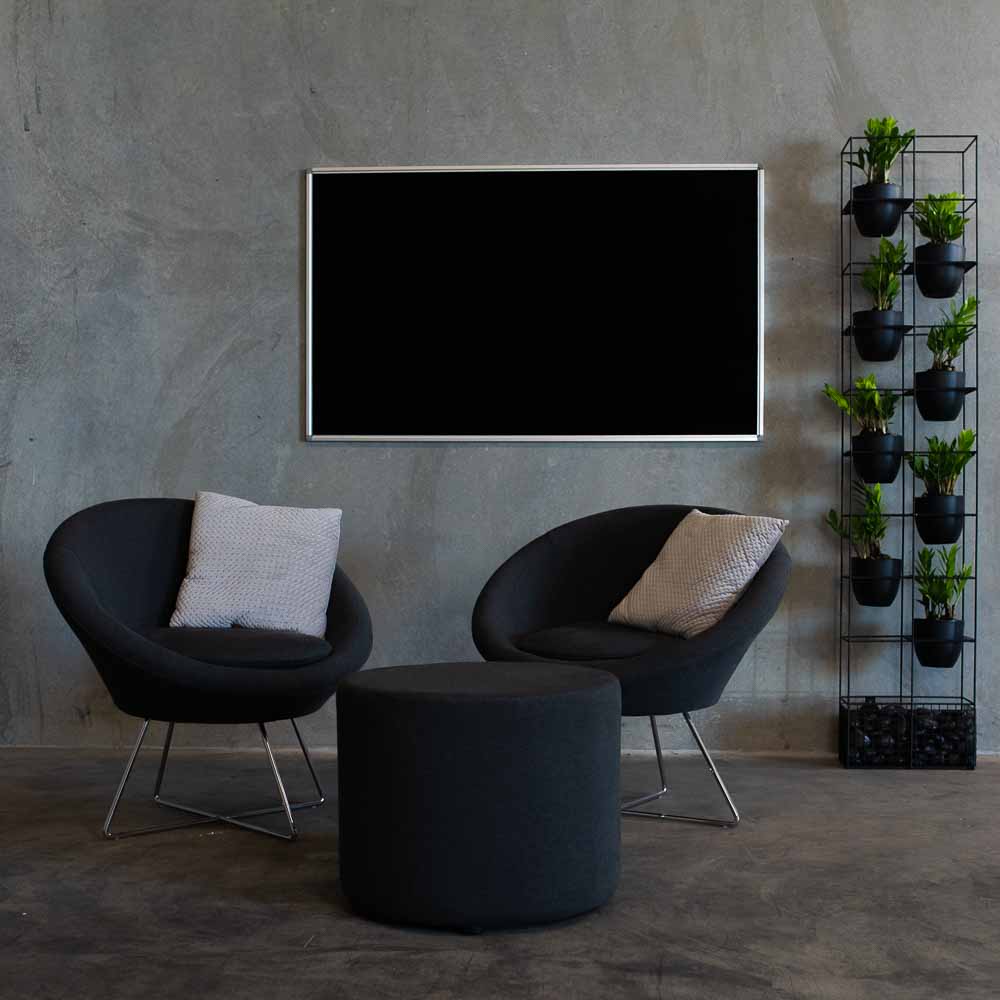
Wall-mounted boards are appropriate where information has a permanent location. They do not occupy floor space and can create a clear communication point in an office, classroom, corridor, staff room or reception area.
Choose from fixed pinboards when:
• The board will remain in one location
• Wall space is available
• The display needs to be consistently visible
• Floor space and circulation are limited
• A clean, integrated appearance is preferred
Before ordering, confirm the wall construction and the mounting requirements for the selected model. Large boards need suitable support, and installation should account for the board’s size, weight and intended orientation.
Mobile Notice Boards
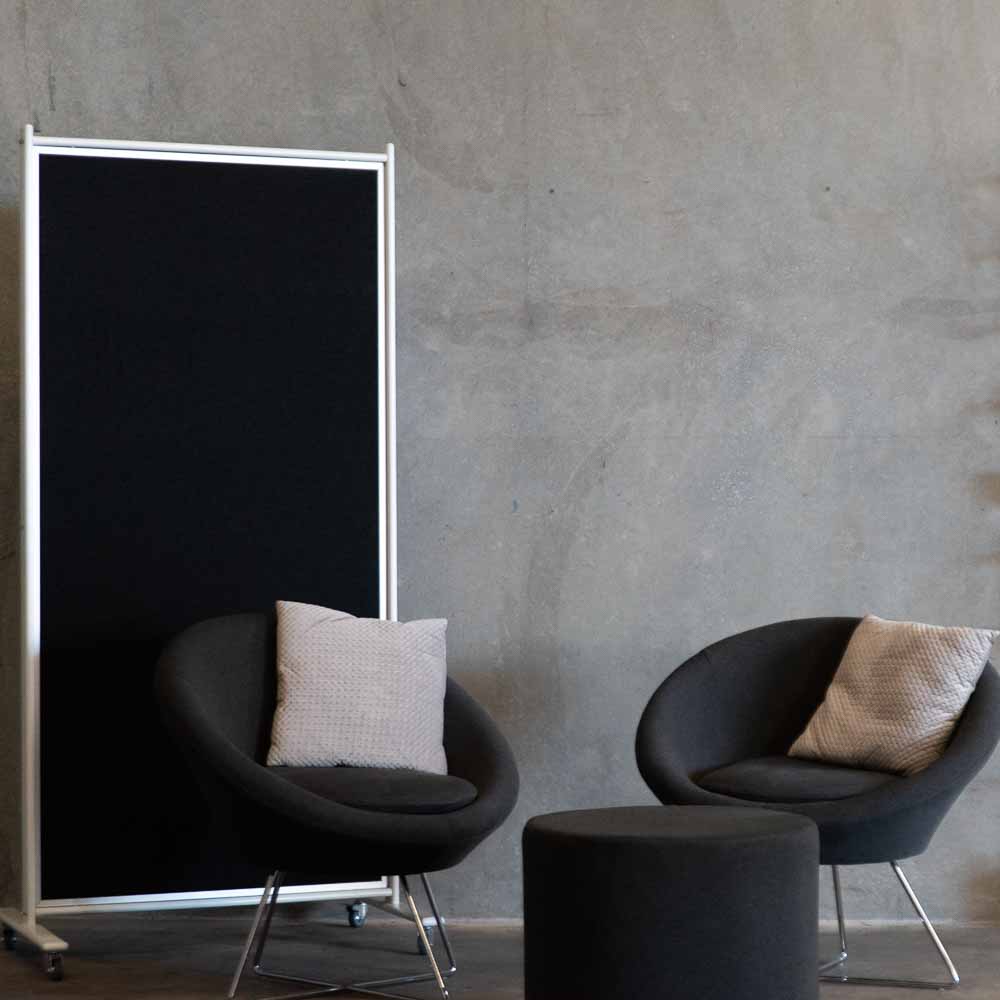
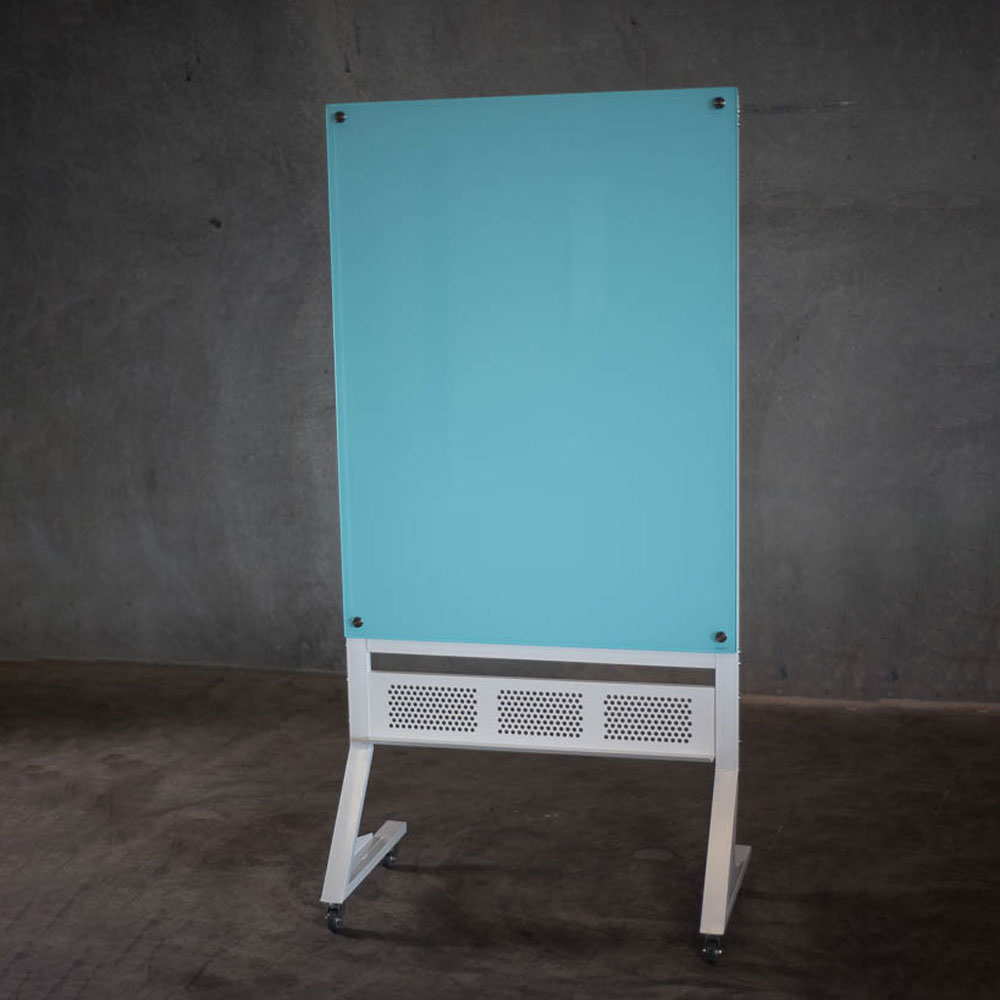
A mobile notice board is more useful when displays move between rooms or when a space serves several purposes. It can support workshops, temporary exhibitions, planning sessions, events and flexible classroom layouts.
Consider mobile pinboards when:
• The board will be shared by several teams or rooms
• Displays need to be repositioned regularly
• Wall mounting is unsuitable
• Both sides of the board may be used
• Temporary zoning or visual separation is useful
Check the overall width and depth of the mobile frame, not only the display surface. The unit needs enough floor space to move, turn and stand securely without obstructing doors or walkways.
3. Compare Notice Board Surface Materials
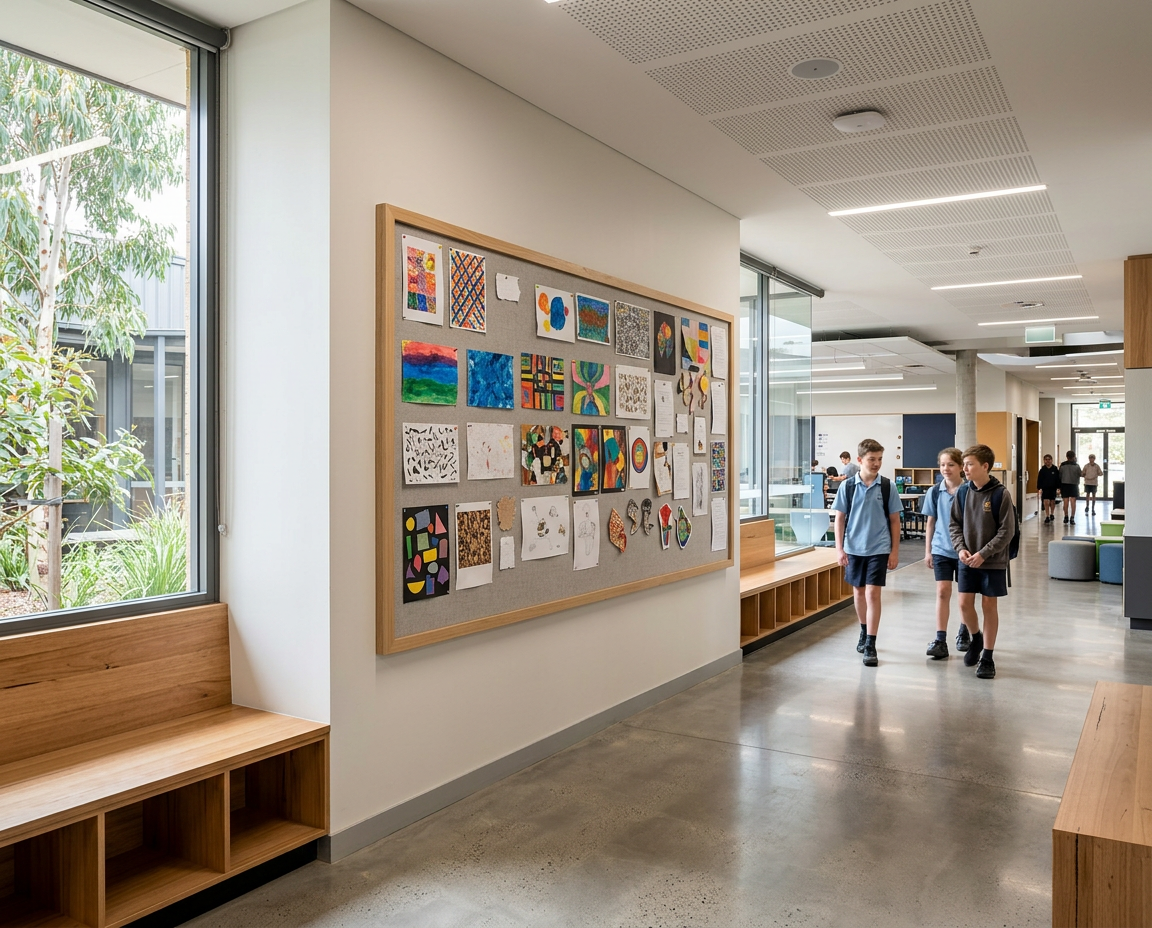
Surface material affects appearance, pin retention, maintenance and suitability for frequent use. The best choice is the one that matches the display method rather than simply the room colour.
Cork Notice Boards
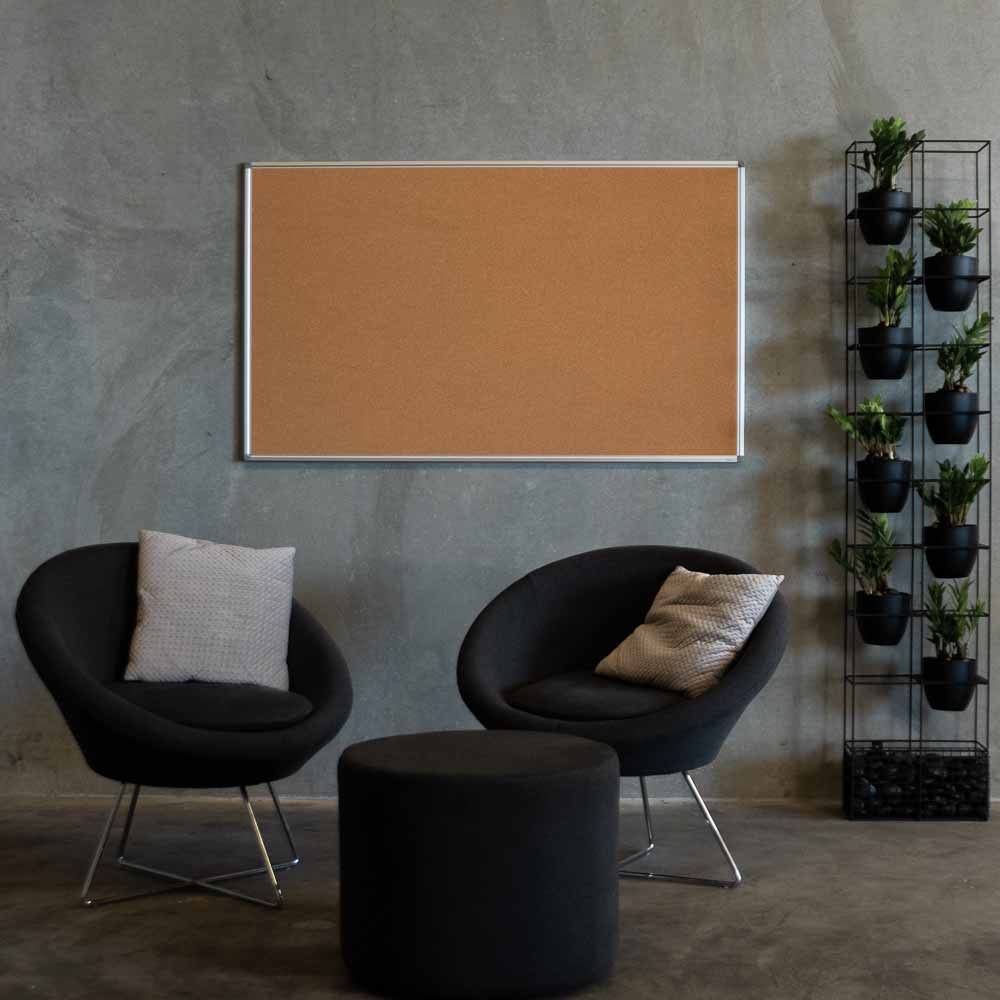
Cork is a familiar choice for everyday notices, reminders and classroom materials. It has a natural appearance and works well where users rely mainly on drawing pins or push pins.
A cork board can be practical for:
• Staff rooms and back-of-house areas
• Classrooms and study spaces
• Community notices
• General office communication
• Light to regular display use
Consider the quality and thickness of the pinnable surface, particularly for a large notice board that will be updated frequently. Buyers should also check the frame style, mounting method and available sizes rather than treating every corkboard as interchangeable.
Felt, Fabric and Velour Pinboards
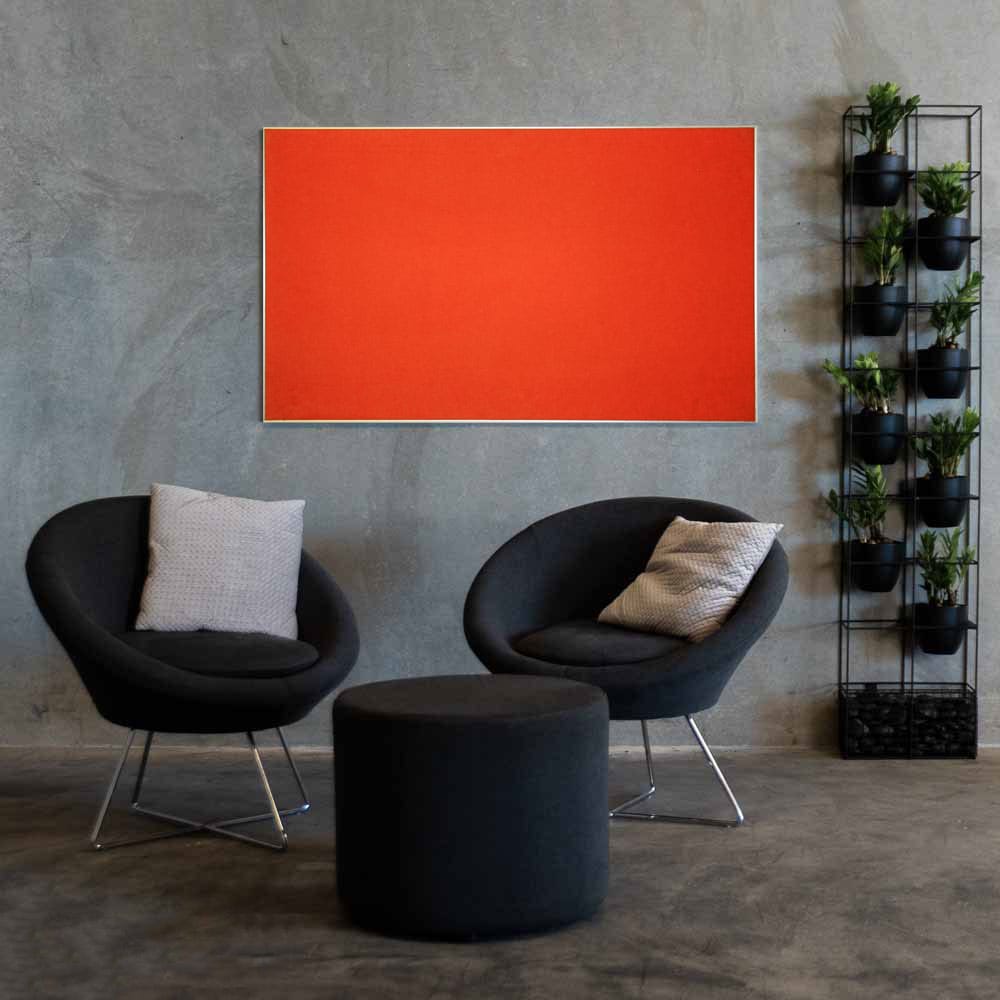
Fabric-covered boards offer a softer, more finished appearance and a wider choice of colours. They can be useful where the notice board forms part of the interior rather than functioning only as a utility surface.
Some velour products accept both pins and hook-and-loop fasteners, which can make them suitable for classrooms, design studios and presentation areas. This feature varies by product, so confirm surface compatibility before purchasing.
Fabric notice boards are often selected for:
• Corporate offices and meeting areas
• Education environments
• Reception and shared spaces
• Colour-coordinated interiors
• Displays that need a professional visual finish
Self-Healing Pinboards
Self-healing surfaces are designed to reduce the visible effect of repeated pinning. They can be worth considering in high-use areas where the board needs to retain a neat appearance over time.
The materials and performance vary between products, so compare the surface specification and intended usage before deciding whether the added durability is relevant to the application.
Acoustic Pinboards
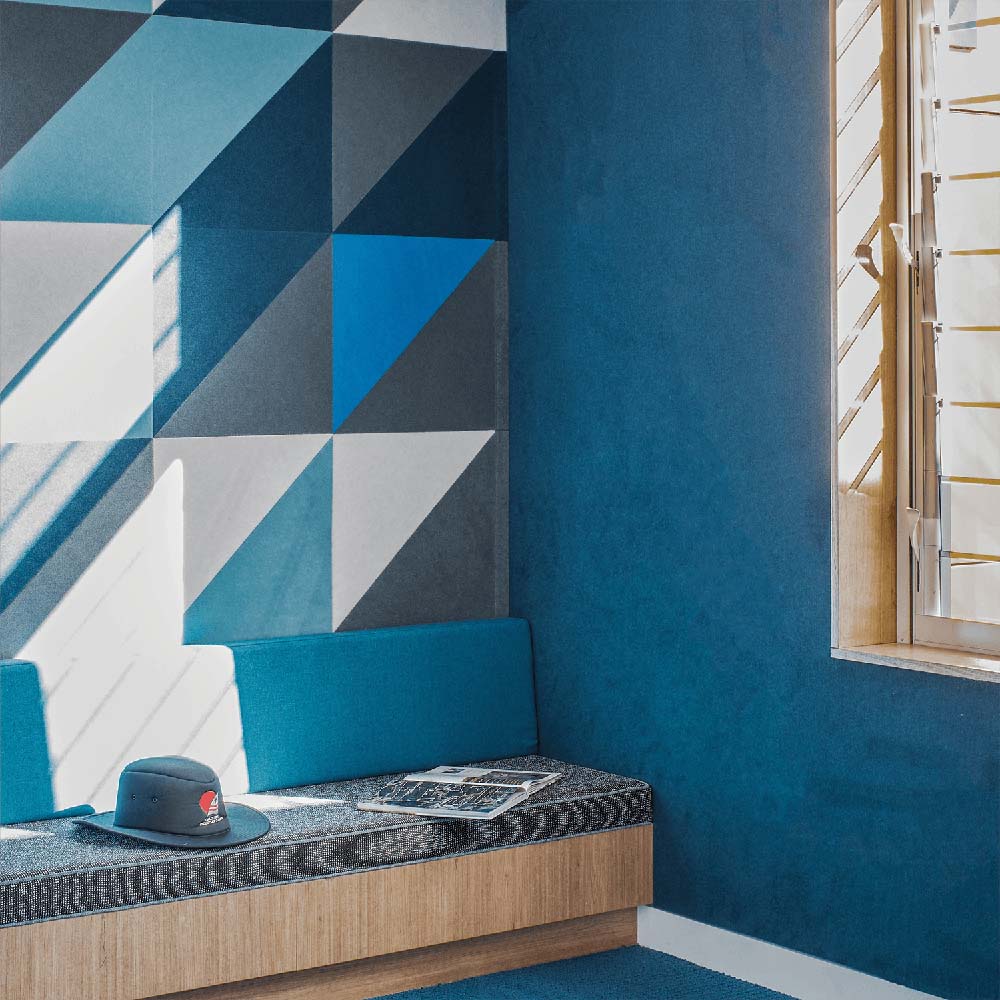
An acoustic pinboard combines a pinnable display surface with material designed to absorb some reflected sound. This can be useful in meeting rooms, classrooms, open offices and shared areas where hard surfaces contribute to echo.
Acoustic pinboards should not be treated as a complete soundproofing solution. Their purpose is generally to help manage reverberation inside a room while also providing usable display space. Compare the available acoustic pinboards when both visual communication and sound control are project priorities.
Combination Boards
A combination board divides the available area between two functions, commonly a whiteboard and a corkboard. This format works well when users need to write changing information while keeping reference documents pinned alongside it.
A combination whiteboard and corkboard may suit compact offices, classrooms and team spaces where one wall needs to support both planning and display.
4. Select the Right Size and Orientation
Notice boards are often purchased too small. A crowded board is difficult to scan, and important messages can disappear beneath older documents.
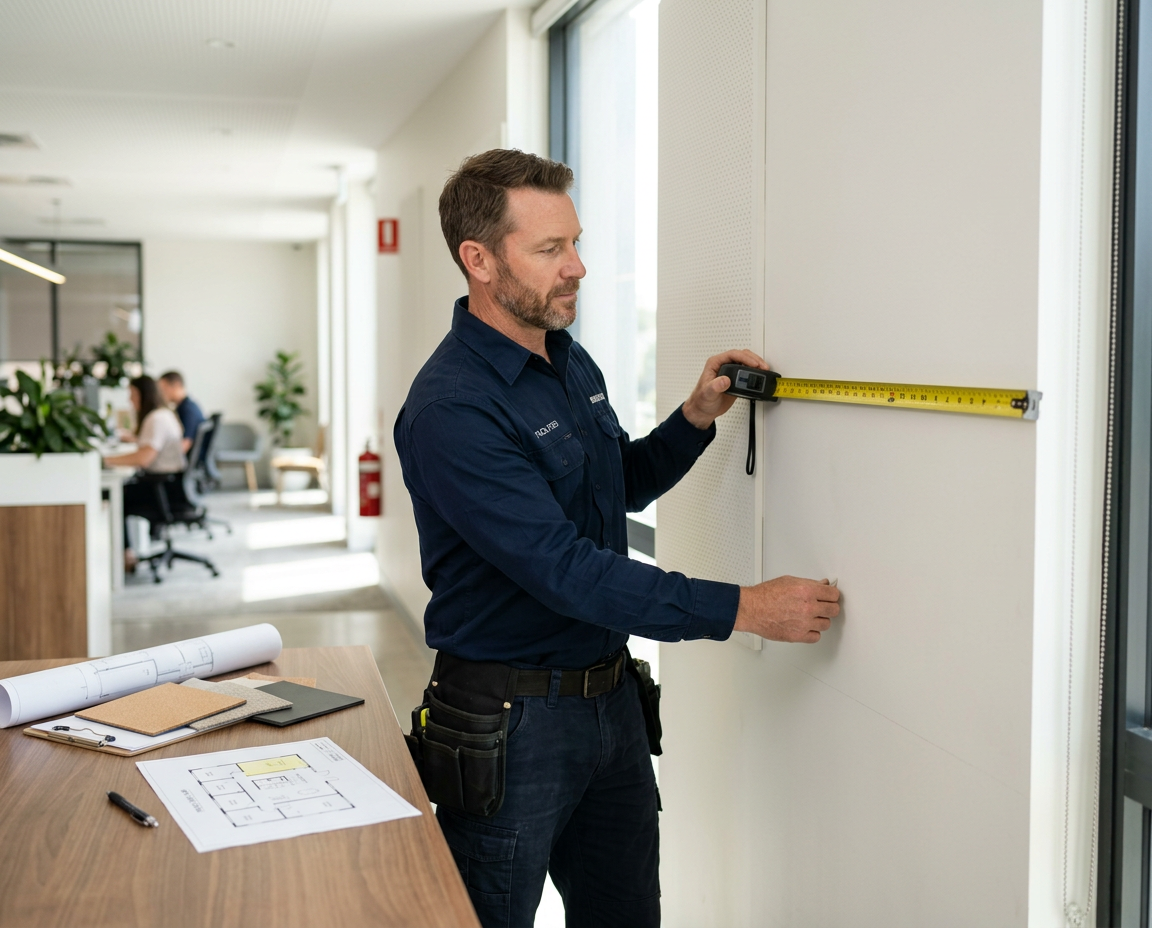
A practical way to estimate size is to arrange the documents you expect to display on a table or floor. Leave space between items, allow room for headings and future additions, then measure the complete layout. This gives a more realistic requirement than estimating by eye.
Consider:
• The number and size of documents displayed at one time
• The viewing distance
• The number of people using the board
• Available wall width and height
• Nearby furniture, doors and switches
• Portrait or landscape orientation
• Space required for future content
Landscape boards suit rows of notices, project timelines and wide planning displays. Portrait boards can be useful on narrow wall sections or beside doorways, provided the mounting height keeps the full surface accessible.
For a large bulletin board in a corridor or shared area, one oversized board is not always the best solution. Two or more boards can separate content by department, audience or purpose and make updates easier to manage.
5. Match the Frame and Finish to the Environment
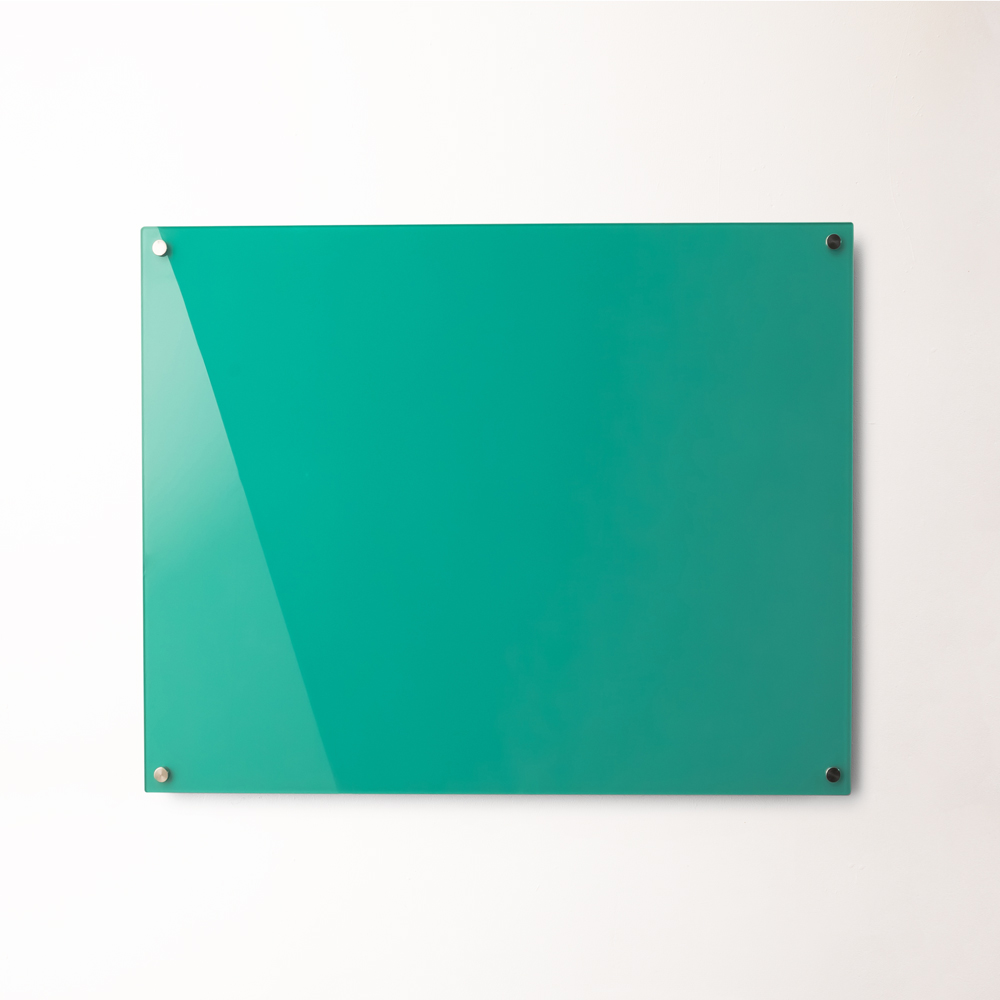
Frame style affects both appearance and installation. Standard aluminium frames provide a defined edge and suit many office and education settings. Slimline or frameless designs can create a more integrated architectural look, particularly when several boards are installed together.
Consider how the board will relate to:
• Wall colour and surrounding finishes
• Existing whiteboards or presentation equipment
• Corporate or school colour schemes
• Interior signage
• The level of wear expected in the location
A neutral frame and surface may be appropriate for changing content because it does not compete visually with documents. A coloured fabric board can support zoning, wayfinding or interior design where the display surface is intended to become part of the room.
Do not choose colour from a screen alone when precise matching is important. Product photography and monitor settings can alter the appearance of fabric and surface finishes. Request or review current colour information before approving a large project.
6. Plan Placement, Visibility and Installation
A well-selected notice board can still perform poorly if it is installed in the wrong place.
Choose a location that is:
• Easy for the intended audience to see
• Accessible to the people responsible for updates
• Clear of opening doors and busy circulation paths
• Protected from avoidable moisture or direct impact
• Appropriately lit without excessive glare
• Large enough for the board and required mounting clearances
Position frequently updated boards where staff or teachers can reach the full surface without stretching over furniture. Public displays should be readable without forcing people to block a corridor while standing in front of them.
For very large boards, confirm how the product will reach the installation area. Doorways, lifts, stairwells and narrow corridors can affect delivery and handling. Where access is limited, several coordinated boards or a custom configuration may be easier to install than one oversized unit.
7. Match the Notice Board to Its Application
The environment helps determine which features deserve priority.
Offices and Workplaces
An office notice board may hold rosters, wellbeing information, internal announcements, project updates or social events. A fabric or velour surface can provide a more finished appearance in client-facing areas, while cork may suit practical staff-only spaces.
For project teams, use separate zones for current actions, reference material and completed work. This prevents the board from becoming a general collection point with no clear hierarchy.
Schools and Education Facilities
School notice boards need to accommodate frequent changes, large visual materials and multiple users. Surface durability, pin grip, size and mounting height are important. Colour can help identify learning areas or distinguish boards assigned to different classes and subjects.
Mobile boards may be valuable in flexible learning spaces, while fixed boards suit classroom walls, libraries, administration areas and corridors.
Healthcare, Government and Public Facilities
In shared public environments, clarity and organisation are more important than filling every available space. Choose a surface that is easy to maintain and establish a clear process for approving and removing notices.
Where information is sensitive, regulated or vulnerable to tampering, an enclosed display case may be more appropriate than an open pinboard. The display method should match the level of access and protection required.
Training Rooms, Events and Temporary Displays
Mobile or double-sided boards can support changing sessions, workshops and temporary displays. Check castor stability, overall dimensions and the time required to move the board between locations.
A combination board may be useful when facilitators need a writing surface on one section and pinned reference material on another.
8. Decide Between Standard and Custom Pinboards
Standard boards are appropriate when an established size, surface and frame suits the available wall and intended content. They simplify comparison and can be repeated across several rooms for a consistent fitout.
A custom board may be justified when:
• The wall has unusual dimensions
• A large continuous display is required
• The board must align with joinery or architectural features
• A specific surface colour or frame treatment is needed
• Standard sizes leave unusable gaps
• Several display functions need to be coordinated
The custom pinboard range includes options for buyers who need dimensions or finishes beyond standard configurations. Before requesting a custom quotation, prepare accurate wall measurements, preferred orientation, surface requirements and any access constraints.
9. Avoid Common Notice Board Buying Mistakes
The following errors often lead to a board that is underused or difficult to manage.
Choosing by Price Alone
A low-cost board may be adequate for light use, but frequent pinning, large displays or prominent locations can justify a more durable or visually refined surface.
Underestimating the Required Size
Allow space for headings, separation between notices and future additions. A board that is full on the first day is already too small.
Selecting the Wrong Surface
Do not assume every fabric board accepts hook-and-loop fasteners or every acoustic product has the same sound-absorption performance. Check the individual specification.
Ignoring the Installation Location
Confirm the wall type, mounting clearance and delivery route before ordering. Large boards can be difficult to handle in tight buildings.
Treating Acoustic Pinboards as Soundproofing
Pinnable acoustic products can help manage reflected sound within a room, but they do not replace a complete acoustic design where significant noise problems exist.
Failing to Assign Ownership
Even the right board becomes cluttered when nobody is responsible for updates. Establish who may post content, how long notices remain and when the surface is reviewed.
10. Use a Final Notice Board Checklist
Before purchasing, confirm:
• The purpose of the board
• The intended audience
• The documents and materials being displayed
• Frequency of updates
• Fixed or mobile format
• Cork, fabric, self-healing, acoustic or combination surface
• Required width, height and orientation
• Frame style and colour
• Pin or hook-and-loop compatibility
• Wall construction and mounting requirements
• Visibility and accessibility
• Floor space for mobile models
• Delivery and installation access
• Standard or custom sizing
• Responsibility for ongoing content management
Conclusion
The right notice board is determined by its purpose, surface, size and location. Corkboards provide straightforward everyday pinning, fabric and velour boards offer broader colour and presentation options, acoustic pinboards combine display with sound absorption, and combination boards support both writing and pinned information.
Measure the content as well as the wall, decide who will use the board and confirm how frequently it will be updated. Buyers can then compare the full notice board range to select a fixed, mobile or custom solution suited to the space.
For exclusive educator discounts, visit our Education Hub!