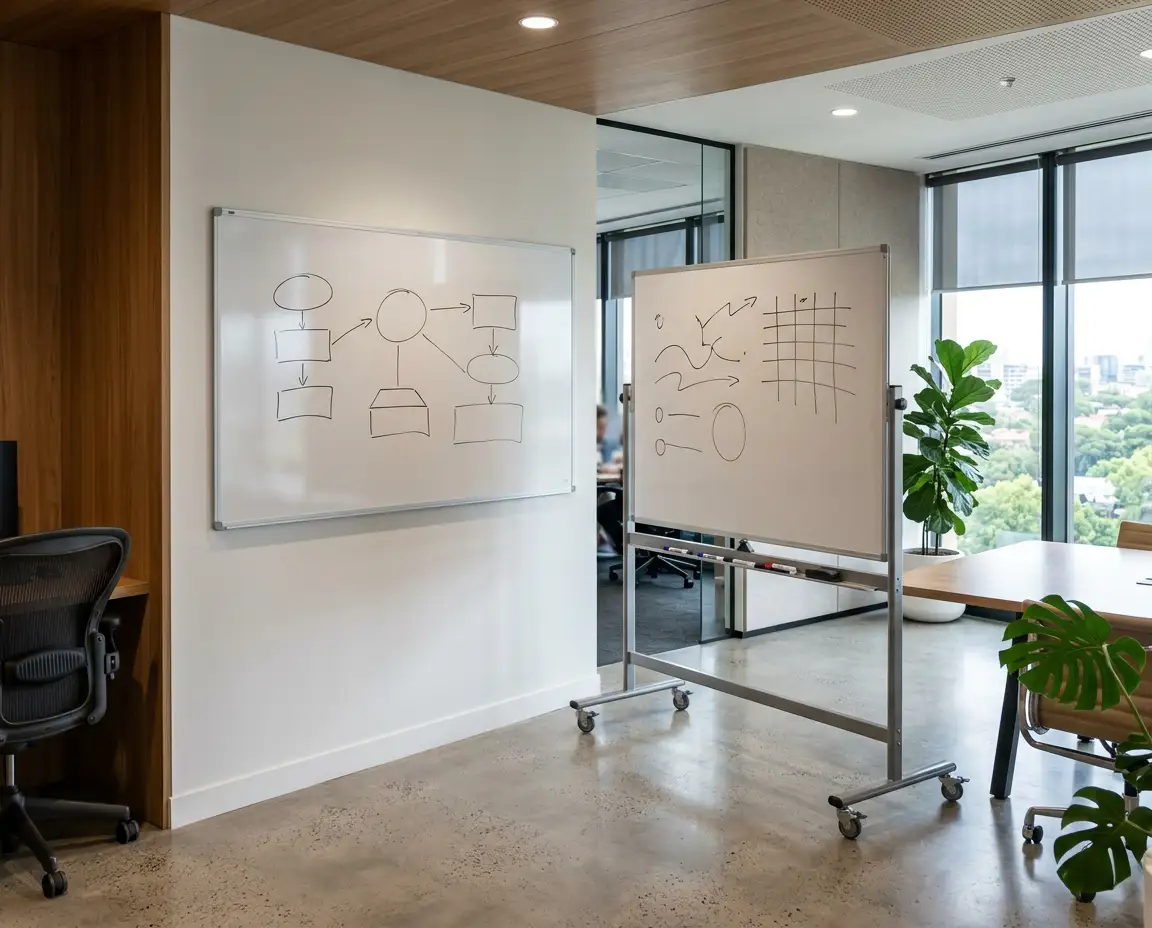
Choosing between a fixed whiteboard and a mobile whiteboard affects how the board is installed, where it can be used, how much space it occupies and how easily teams can adapt the room around it.
A fixed whiteboard is usually the better choice for permanent, high-frequency communication in a dedicated office, classroom or meeting room. A mobile whiteboard is better when the writing surface needs to move between spaces, support workshops or adapt to changing room layouts.
The decision should be based on how the board will be used rather than mobility alone. Surface material, writing area, magnetic functionality, storage, installation access and the number of people viewing the board all need to be considered before ordering.
1. Start With How the Whiteboard Will Be Used
Begin by identifying the activities the board needs to support.
Common applications include:
• Team meetings
• Classroom teaching
• Project planning
• Staff scheduling
• Training and workshops
• Brainstorming
• Operational tracking
• Presentations
• Temporary event displays
• Hybrid meeting support
Then consider how frequently the board will be used and whether the activity always takes place in the same room.
A board used for daily production planning may need to remain permanently visible. A board used for occasional training sessions may need to move between meeting rooms. A classroom board may require a fixed position for regular teaching, while a flexible learning space may benefit from several portable whiteboards that can be rearranged for group work.
Ask:
• Will the board stay in one room?
• Does information need to remain visible between sessions?
• Will several teams share the board?
• Does the room layout change regularly?
• Is wall space available?
• Can the room accommodate a freestanding frame?
• Will the board need to pass through doors or lifts?
• Do users need one or two writing surfaces?
Answering these questions will usually make the fixed-versus-mobile decision much clearer.
2. Choose a Fixed Whiteboard for a Permanent Communication Point
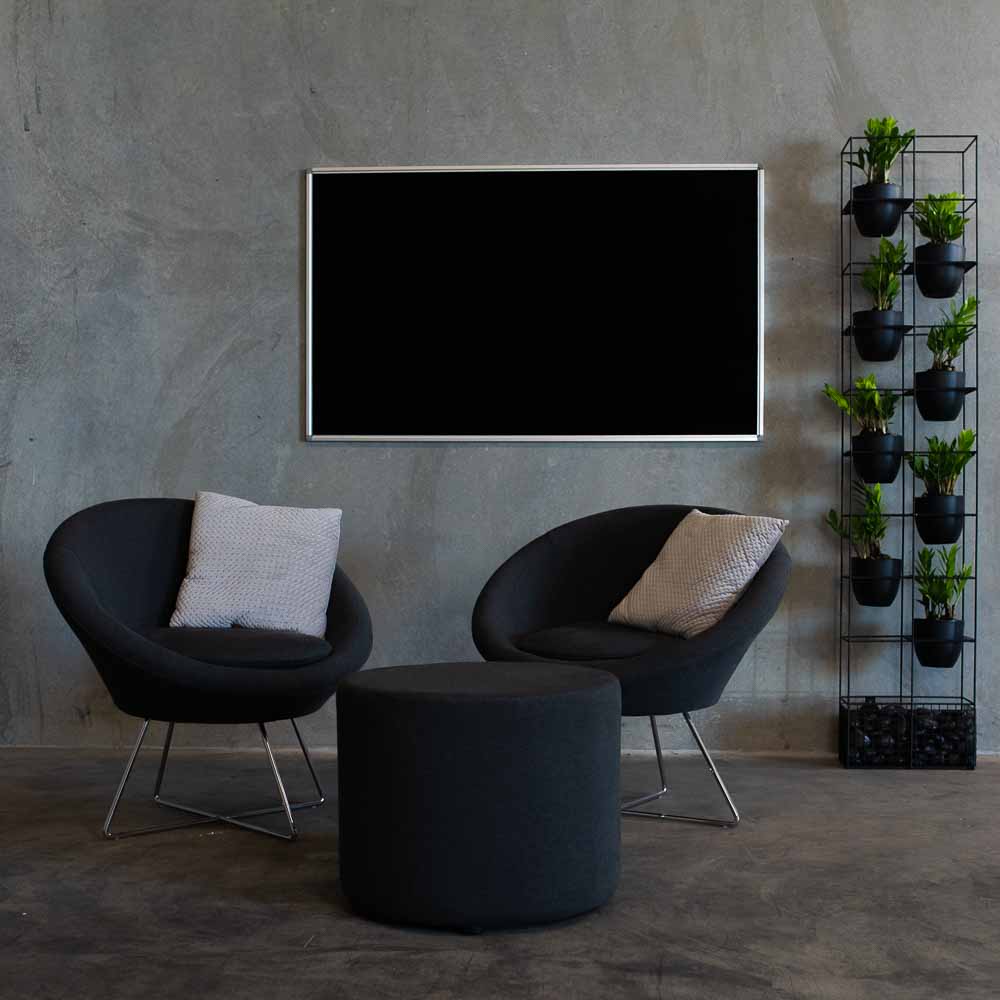
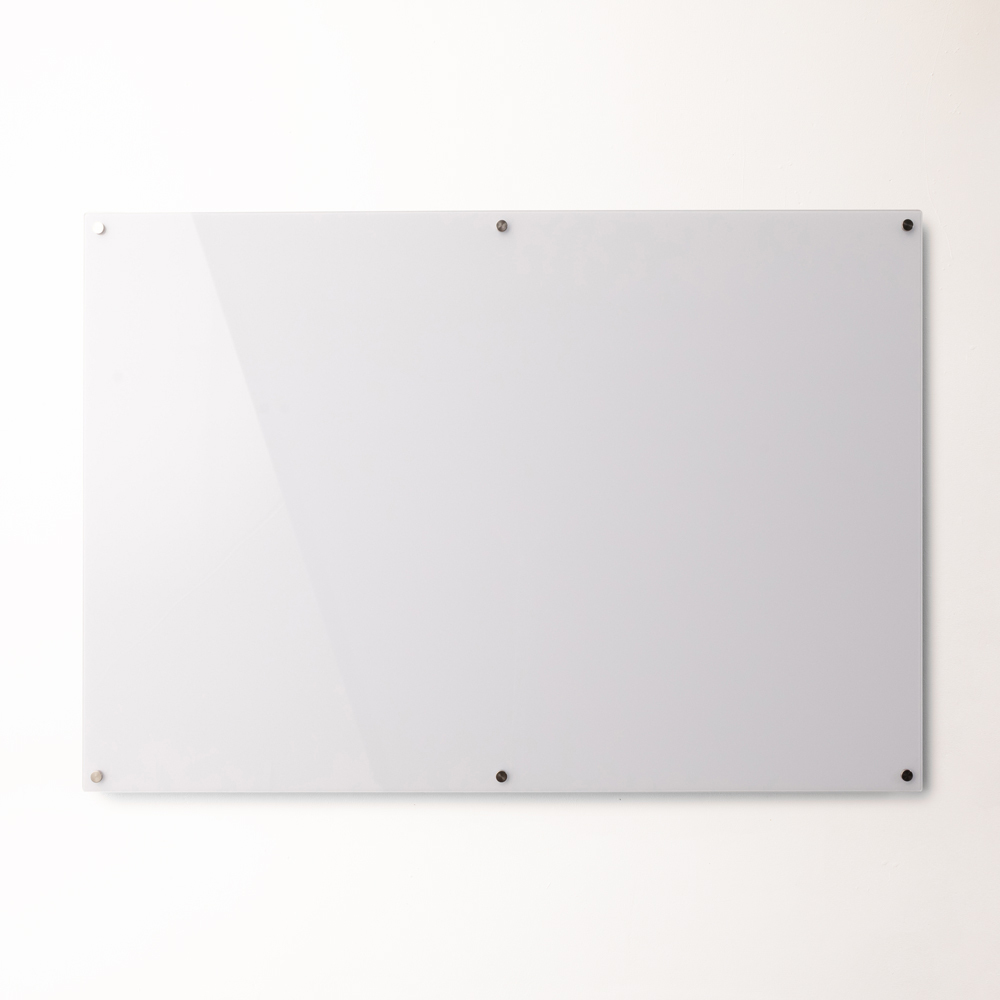
A fixed whiteboard is mounted directly to a wall and remains in one designated location. It creates a permanent visual communication point without using floor space.
Wall-mounted boards are well suited to:
• Meeting rooms
• Classrooms
• Staff rooms
• Training rooms
• Reception areas
• Project offices
• Healthcare work areas
• Operational control points
The main advantage is consistency. Staff, students and visitors know where to find the information, and the board remains available without needing to be moved into position.
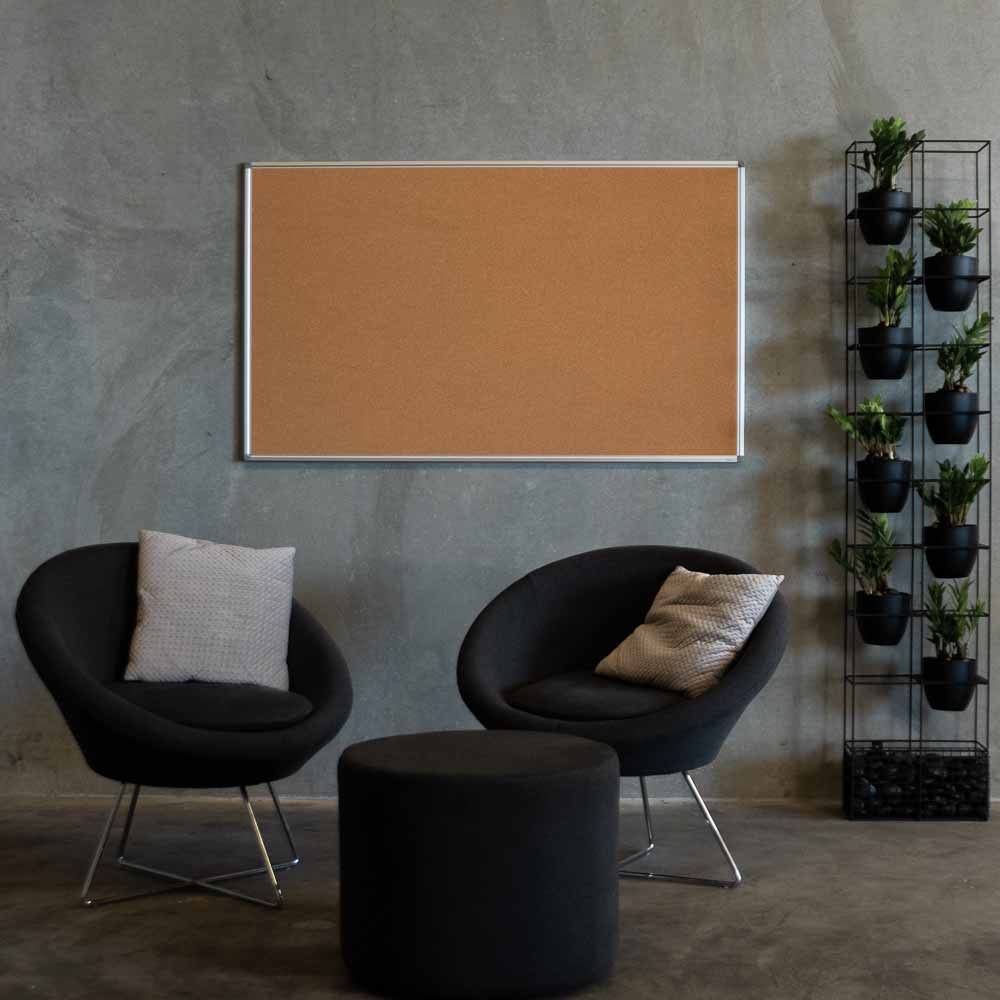
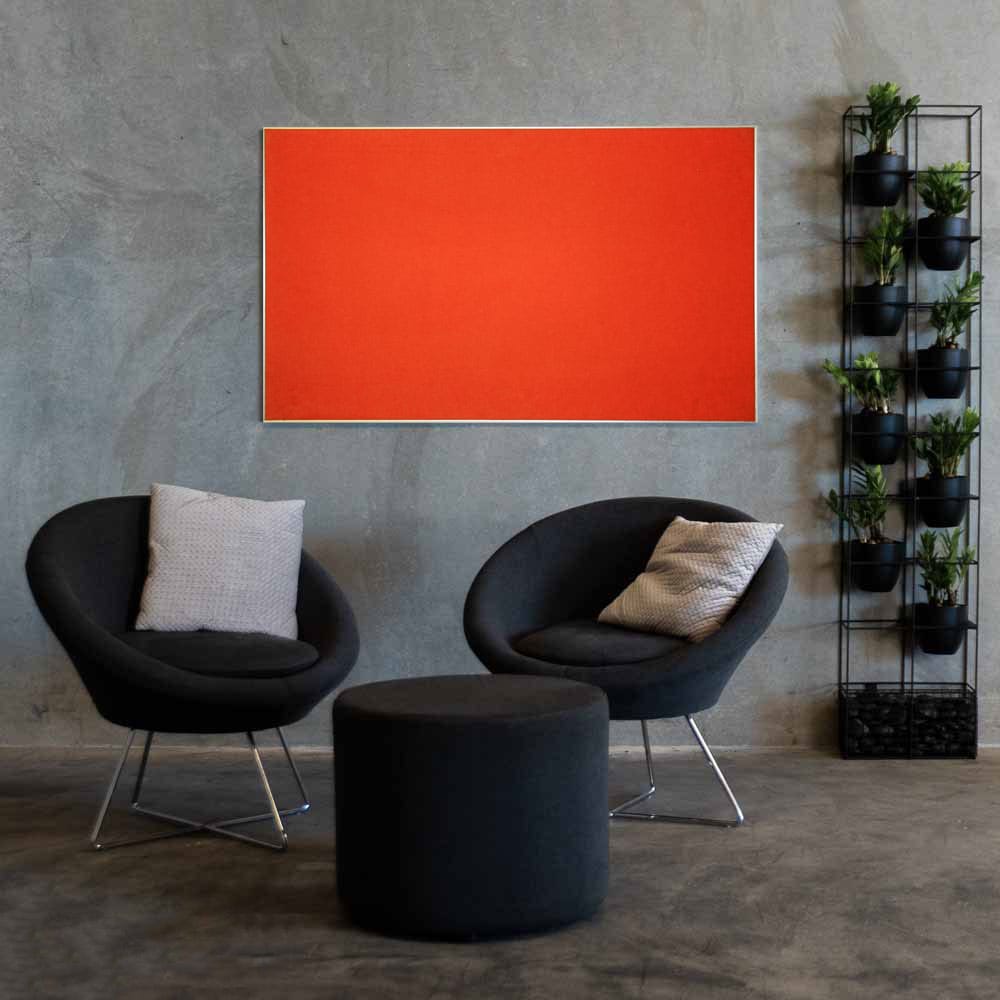
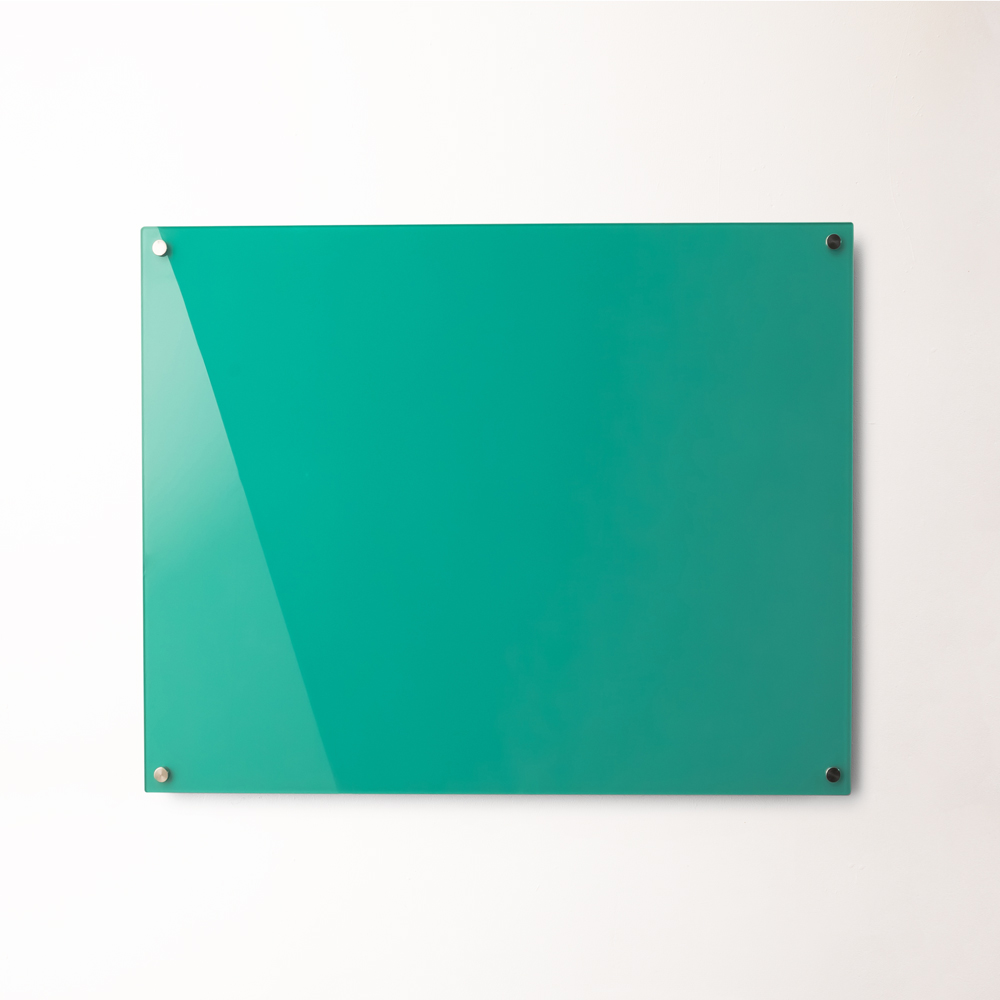
Fixed boards are also practical in compact rooms because they do not require a wheeled frame or clearance around a base. Buyers can compare fixed whiteboards in standard, porcelain, glass, printed and custom formats, subject to the individual product range.
A fixed whiteboard is generally the stronger option when:
• The board will be used in the same location every day
• Information must remain continuously visible
• Floor space is limited
• The wall can safely support the selected board
• A clean, integrated appearance is preferred
• The room has a defined presentation wall
The main limitation is flexibility. Once installed, the board cannot easily be repositioned when teams move, furniture layouts change or another room requires a temporary writing surface.

3. Choose a Mobile Whiteboard for Flexible Spaces
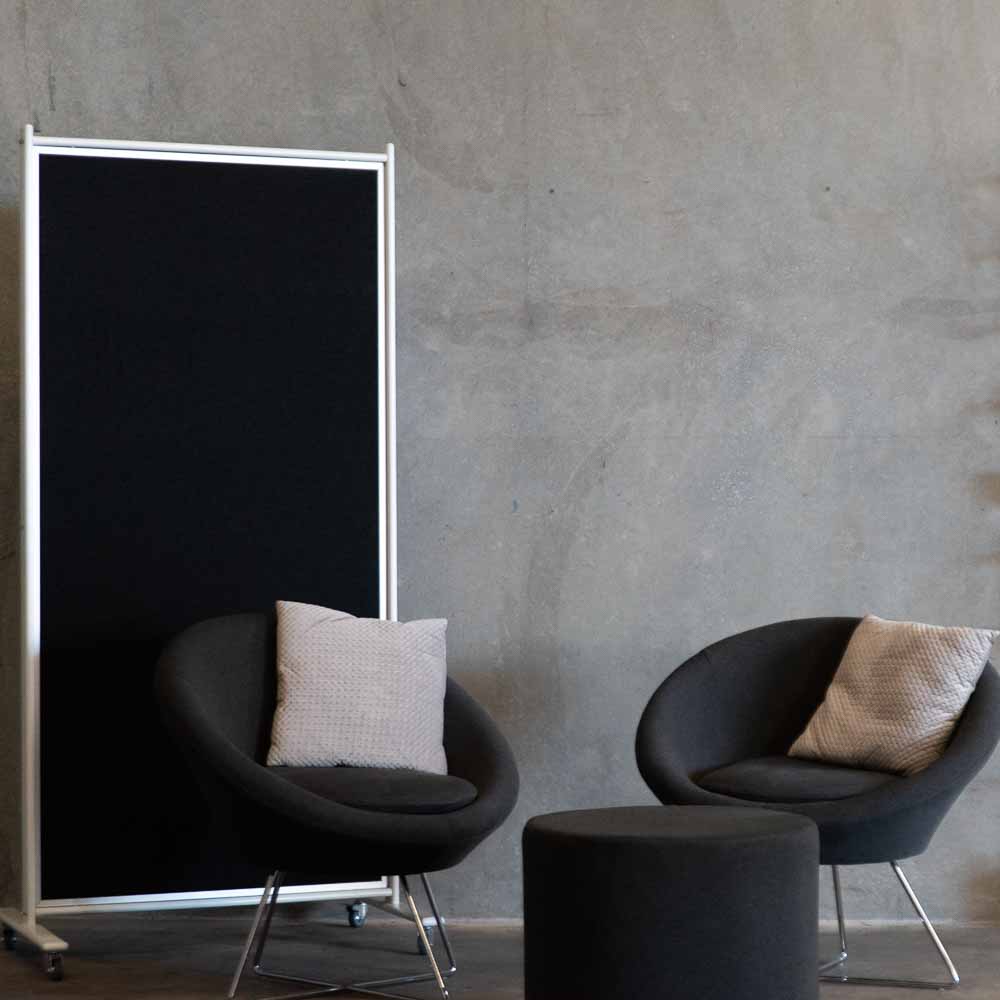
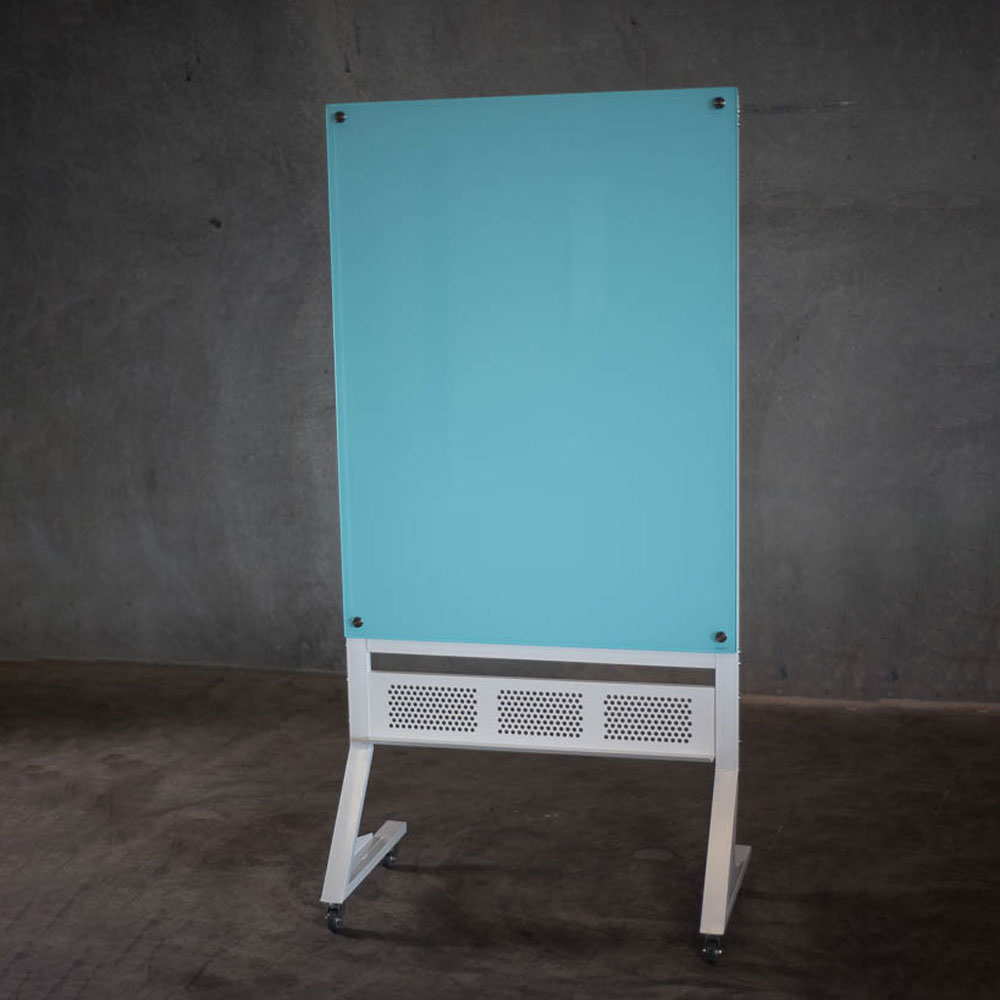
A mobile whiteboard is mounted on a freestanding frame with castors, allowing it to be moved between rooms or repositioned within the same space.
Mobile boards are particularly useful for:
• Training sessions
• Workshops
• Flexible classrooms
• Agile workplaces
• Breakout areas
• Temporary project rooms
• Events and conferences
• Shared meeting facilities
• Group brainstorming
The current mobile whiteboard range includes wheeled, freestanding options for workplace, training and education settings. Available formats include magnetic, double-sided, porcelain, glass and combination configurations, depending on the selected product.
A whiteboard on wheels can be a practical choice when:
• Several teams share one board
• The board needs to move between rooms
• Furniture is rearranged regularly
• Temporary visual separation is useful
• Wall mounting is unavailable
• Both sides of the board may be used
• The board needs to be stored when not required
Mobility should not be confused with portability in the sense of being lightweight. Commercial mobile whiteboards can be substantial pieces of equipment. Their frames, writing surfaces and bases need enough weight and structure to remain stable during use.

4. Compare Wall Space and Floor Space
Fixed and mobile whiteboards use room space differently.
A fixed board requires clear wall area. Measure:
• Available wall width
• Available wall height
• Nearby doors and windows
• Power outlets and switches
• Wall-mounted screens or equipment
• Furniture positioned beneath the board
• Required viewing height
• Wall construction
A mobile board does not require permanent wall space, but it needs sufficient floor area for the frame and castors.
Measure:
• Overall board width
• Frame depth
• Base width
• Space required to rotate the board
• Clearance around furniture
• Doorway widths
• Lift dimensions
• Storage space when not in use
Do not compare products using writing-surface dimensions alone. A mobile frame may be wider and deeper than the board itself.
A standing whiteboard placed in a narrow meeting room can obstruct circulation even when its writing surface appears to fit comfortably. Mark the complete footprint on the floor before ordering to confirm that users can move around it safely.
5. Compare Writing Area and Visibility
Writing capacity depends on both board size and how many surfaces can be used.
A fixed whiteboard can take advantage of a wide wall and may provide a large uninterrupted writing area. This can be useful for:
• Long project timelines
• Classroom instruction
• Large diagrams
• Workflow tracking
• Multi-team planning
• Information that remains displayed for extended periods
Mobile whiteboards are often available with double-sided or rotating surfaces, which can increase the total usable writing area without doubling the floor footprint. One side can hold prepared information while the other is used for discussion, or different teams can use separate surfaces.
However, only one side may be visible at a time. If information must remain continuously available, a large fixed board or more than one board may be more practical.
Consider normal viewing distance as well. A compact portable whiteboard may work for a small group gathered nearby but provide insufficient visibility in a large training room.
Estimate:
• The number of people viewing the board
• The furthest viewing position
• The amount of information displayed
• The required text size
• The number of people writing at once
• The need to retain earlier notes
A board that technically holds all the information may still be unsuitable if users need to write too small for the audience to read it.
6. Choose the Surface Separately From the Format
Fixed or mobile describes how the board is installed. It does not determine the quality or type of writing surface.
Depending on the product, buyers may encounter:
• Standard commercial whiteboard surfaces
• Porcelain surfaces
• Glass surfaces
• Printed planning surfaces
• Magnetic surfaces
• Non-magnetic surfaces
• Combination whiteboard and pinboard surfaces
The existing whiteboard material guide explains how commercial, porcelain and glass surfaces differ in durability, maintenance and application.
Usage frequency should influence the surface decision. A board used occasionally in a small meeting room may have different requirements from one used throughout the day in a classroom or training facility.
Buyers considering high-frequency use can also review porcelain whiteboards in both fixed and mobile configurations where available.
Do not assume that every glassboard is magnetic or that every mobile board uses the same surface. Confirm:
• Surface material
• Magnetic functionality
• Recommended markers
• Cleaning requirements
• Product warranty
• Intended usage level
• Compatibility with printed layouts
• Suitability for projection, if required
7. Match the Board to the Environment
The room and workflow often indicate which format will be more practical.
Offices and Meeting Rooms
A fixed board suits a dedicated meeting room where teams regularly present, plan and review information.
A mobile board may be better when:
• Meeting rooms are shared
• Teams move between project spaces
• Workshops require flexible layouts
• The board is occasionally needed beside a video display
• Furniture is frequently rearranged
Some offices use both: a fixed board for routine meetings and a mobile board for workshops or overflow writing space.
Classrooms and Education Facilities
Fixed whiteboards provide a consistent teaching surface at the front of a classroom. They are suitable where students need a clear, predictable focal point.
Mobile whiteboards can support:
• Small-group activities
• Flexible learning zones
• Temporary room division
• Collaborative exercises
• Different teaching stations
• Shared use between classrooms
For whole-class teaching, check the board’s visibility from every seat. For group work, several smaller mobile boards may be more effective than one large central board.
Training Rooms
Training rooms often benefit from mobile boards because the furniture and teaching format can change between sessions.
A double-sided board allows facilitators to prepare information in advance, retain earlier notes or separate activities across two surfaces.
A fixed board may still be preferable where training takes place regularly and the board forms part of a permanent presentation wall.
Healthcare and Operational Environments
Fixed boards are useful when schedules, responsibilities or operational information must remain visible in one defined location.
Mobile boards may support temporary planning sessions, incident reviews or project work, but care is required to ensure important information is not moved away from the team that relies on it.
Events and Temporary Spaces
A mobile board is generally more practical for short-term events, conferences and temporary project rooms because it does not require wall installation.
Confirm delivery access, storage and the stability of the frame before selecting a large whiteboard on wheels.
8. Check Mobility, Stability and Safety
The value of a mobile whiteboard depends on how easily and safely it can be moved.
Review:
• Castor quality
• Locking mechanisms
• Frame construction
• Board rotation
• Handle or grip points
• Floor conditions
• Thresholds and ramps
• Doorway clearance
• Storage position
Castors should be locked during writing so the board remains stable. Move the unit using the frame rather than pulling on accessories or the writing surface.
Flooring also matters. Thick carpet, uneven transitions and narrow thresholds can make a large mobile board difficult to reposition.
For fixed boards, the equivalent concerns are wall strength and installation quality.
Confirm:
• The wall material
• Board weight
• Fixing requirements
• Mounting height
• Installation clearances
• Number of installers required
• Access to the final location
Large wall-mounted boards should not be installed using fixings selected only for convenience. Follow the product instructions and ensure the wall can support the complete assembly.
9. Plan Accessories and Day-to-Day Management
A whiteboard is more useful when markers, erasers and cleaning products remain close to the writing surface.
Useful accessories may include:
• Dry-erase markers
• Erasers
• Magnetic pen holders
• Pen trays
• Whiteboard cleaner
• Magnets
• Magnetic document holders
• Adhesive grid tape
The available whiteboard accessories include marker, cleaning, magnetic and storage products for different board applications. Confirm compatibility with the selected surface, particularly for glassboards and magnetic accessories.
For mobile boards, check whether the frame includes a pen tray or built-in storage. Accessories should remain secure while the unit is moved.
For fixed boards, position marker storage where users can reach it without placing furniture directly against the writing area.
Assign responsibility for:
• Replacing empty markers
• Cleaning the board
• Returning the mobile board to storage
• Locking castors after movement
• Removing outdated information
• Reporting damaged frames or surfaces
A well-chosen board can still become underused when the supporting accessories are missing or poorly managed.
10. Use a Final Fixed vs Mobile Whiteboard Checklist
Before ordering, confirm:
• The board’s primary purpose
• Frequency of use
• Number of users
• Normal viewing distance
• Required writing area
• Permanent or flexible location
• Available wall space
• Available floor space
• Doorway and lift access
• Need for single- or double-sided writing
• Magnetic requirements
• Preferred surface material
• Required durability
• Frame and castor stability
• Installation requirements
• Marker and accessory compatibility
• Storage position
• Future changes to the room layout
Choose a fixed whiteboard when the board needs a permanent location, continuous visibility and minimal floor impact.
Choose a mobile whiteboard when the writing surface needs to move, support flexible collaboration or serve several rooms.
In larger facilities, using both formats may provide better coverage than forcing one board type to perform every task.
Conclusion
Fixed whiteboards are best suited to permanent meeting rooms, classrooms and operational spaces where information needs to remain visible. Mobile whiteboards are better for flexible workplaces, training rooms, workshops and shared environments where the writing surface needs to move with the users.
The final decision should account for wall and floor space, writing capacity, viewing distance, surface material, magnetic functionality and installation access. Buyers can compare the complete whiteboard range to assess fixed, mobile, porcelain, glass, printed and custom options for their workplace or education environment.
For exclusive educator discounts, visit our Education Hub!