
Homeschooling can be incredibly rewarding – but it can also feel overwhelming, especially when you’re trying to balance teaching, parenting, and everyday life all at once.
The key to successful homeschooling isn’t perfection – it’s creating a structured, flexible, and organised environment that works for both you and your children. With the right setup and approach, you can reduce stress, improve focus, and make homeschooling a positive experience for everyone.
Set Up a Dedicated Learning Space
One of the most important steps in homeschooling is creating a clear separation between “school” and “home.”
Even if you’re working with limited space, having a dedicated learning area helps children mentally transition into learning mode and improves focus.
This could be:
- A desk in a quiet corner
- A shared table for group learning
- A flexible setup that adapts to your child’s preferences
Some children thrive in quiet environments, while others prefer more open or collaborative spaces – so it’s worth experimenting to find what works best.
Establish Clear Boundaries and Expectations
When learning at home, it’s easy for routines to blur. That’s why setting clear expectations early is essential.
Children need to understand that homeschooling still requires:
- Focus and participation
- Respect for learning time
- Consistent behaviour
Setting boundaries – and sticking to them – helps create structure and reduces daily friction.
Create a Daily Routine That Works
Structure is one of the biggest factors in successful homeschooling.
You don’t need to replicate a traditional school schedule exactly, but having a consistent daily routine helps children stay focused and reduces stress.
A simple routine might include:
- Learning blocks for key subjects
- Scheduled breaks
- Time for independent work
- Creative or physical activities
The goal is consistency – not rigidity. A flexible routine is often more sustainable long term.
Stay Organised with Visual Tools
Organisation is critical when managing homeschooling alongside everyday responsibilities.
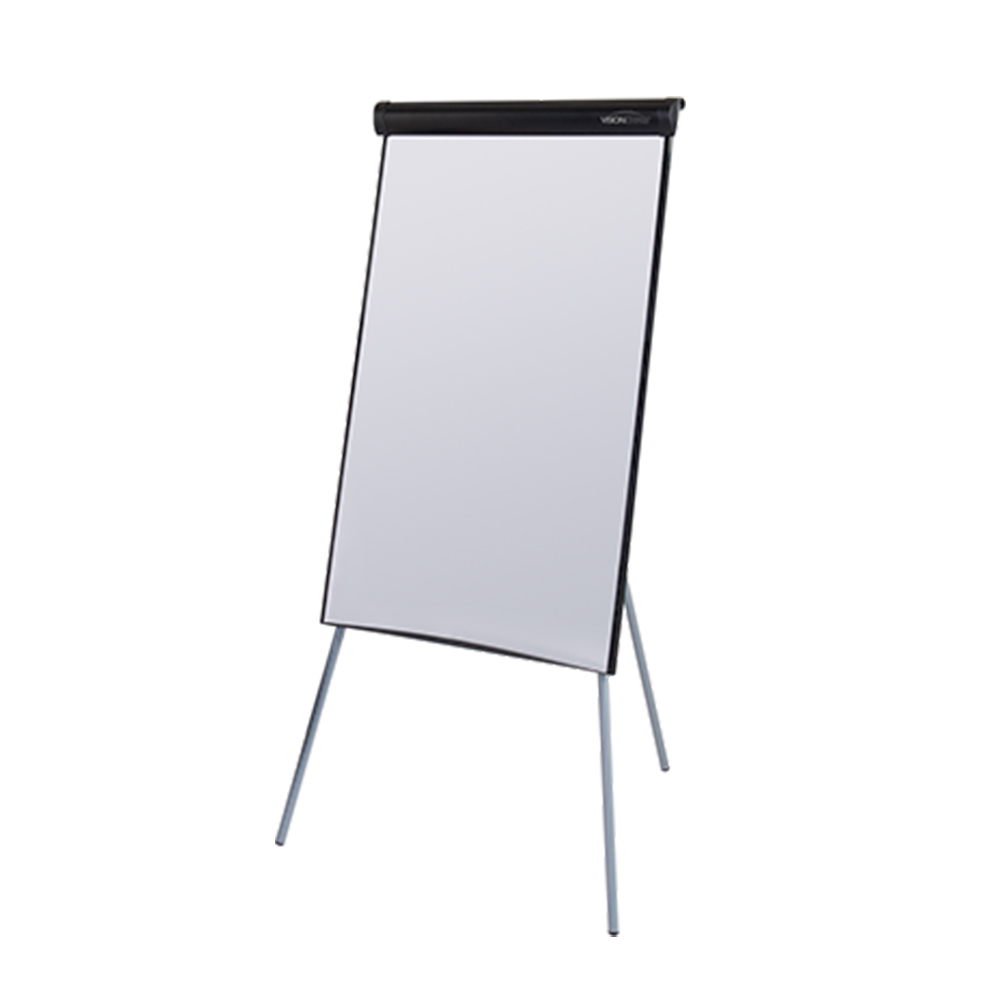
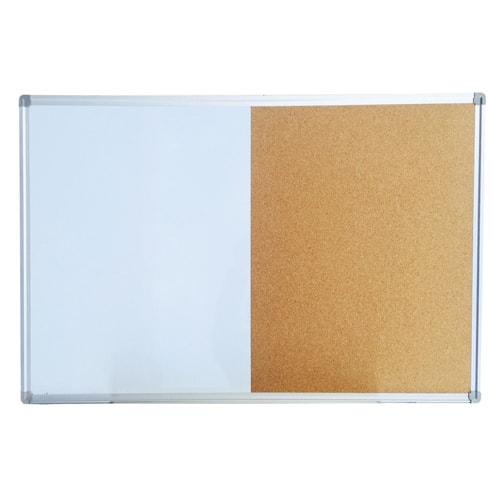
Using tools like whiteboards, pinboards, or flip charts can make a huge difference by helping you:
- Display daily schedules
- Track tasks and assignments
- Communicate expectations clearly
- Reduce mental overload
Writing everything down creates a clear visual plan that both you and your children can follow – making the day more predictable and manageable.
Don’t Try to Be a Full-Time Teacher
One of the biggest sources of stress in homeschooling is feeling like you need to do everything perfectly.
The reality is – you’re not expected to be a professional teacher. Trying to take on that role completely can lead to burnout.
Instead:
- Use online resources and learning tools
- Reach out to teachers when needed
- Focus on guiding rather than controlling learning
Letting go of perfection helps create a more relaxed and effective learning environment.
Keep Learning Flexible
One of the biggest advantages of homeschooling is flexibility.
Unlike traditional classrooms, you can:
- Adapt lessons to your child’s pace
- Follow their interests
- Change approaches when something isn’t working
Trying to replicate a rigid school structure at home can actually increase stress. A more flexible approach often leads to better engagement and outcomes.
Take Breaks and Prioritise Wellbeing
Breaks are essential for both children and parents.
Short breaks throughout the day help improve focus, reduce frustration, and support better learning outcomes.
Just as importantly, make time for:
- Outdoor activities
- Family time
- Relaxation
Homeschooling shouldn’t feel like constant pressure – maintaining balance is key.
Make Time for Fun and Connection
It’s easy to get caught up in schedules and tasks, but don’t forget to enjoy the process.
Homeschooling offers a unique opportunity to:
- Spend more time together as a family
- Explore creative activities
- Learn through real-world experiences
Balancing structure with enjoyment helps create a more positive and sustainable homeschooling experience.
Know Your Limits
Homeschooling can be demanding, and it’s important to recognise when you need support.
If something isn’t working:
- Adjust your approach
- Simplify your schedule
- Ask for help when needed
Trying to do everything perfectly can lead to stress for both you and your children – and ultimately make learning less effective.
Create a Home School Setup That Works for You
The most successful homeschooling environments are those that are organised, flexible, and tailored to individual needs.
By combining structure, visual organisation tools, and a realistic approach to learning, you can create a system that supports both productivity and wellbeing.
Shop Homeschool Organisation Tools
Looking to create a more structured homeschooling environment? Explore our range of whiteboards, pinboards, flip charts, and learning tools designed to help you stay organised and reduce stress.
Whether you need:
- Daily schedule boards
- Visual planning tools
- Collaborative learning surfaces
- Flexible organisation solutions
We offer practical, high-quality options to support effective homeschooling at home.
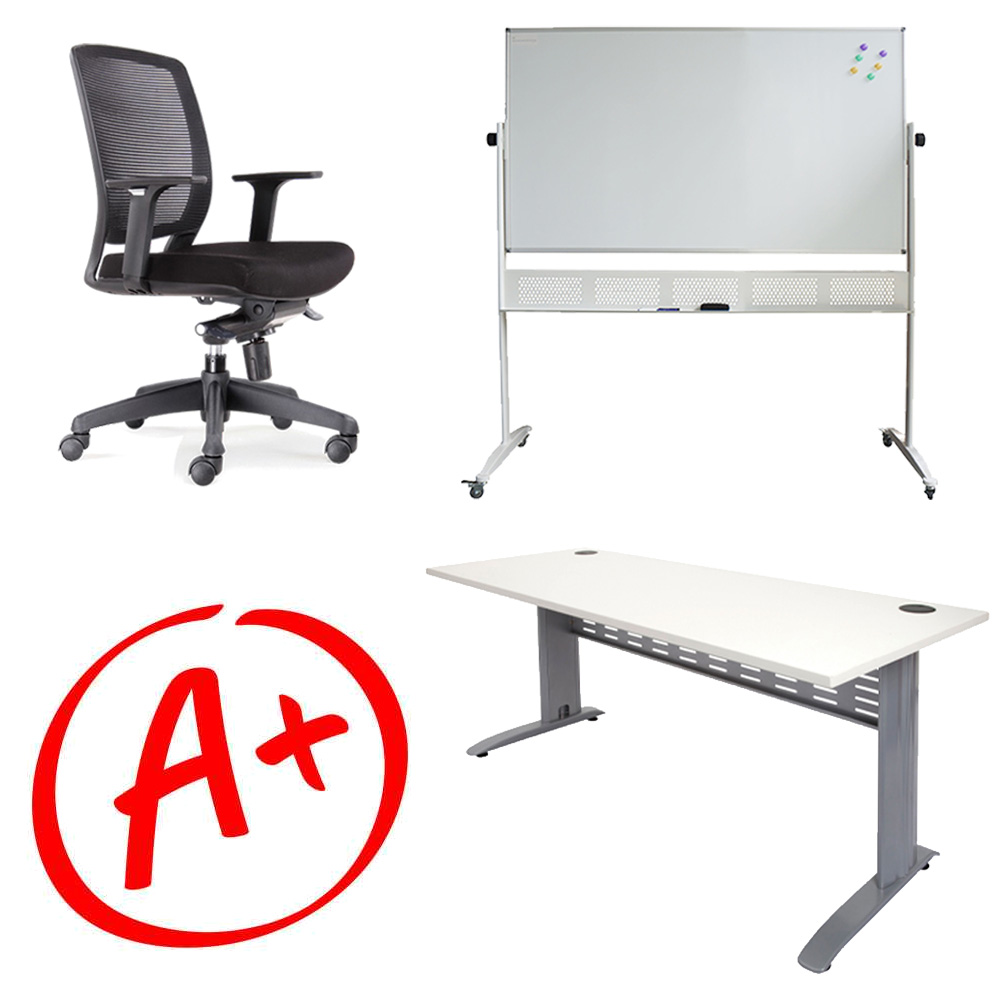
To help stay organised, check out our range of whiteboards, pinboards and flipcharts, or get set up with our homeschooling package. For a more extensive range of chairs and desks for homeschooling, visit out our sister company, Epic Office Furniture.