Staying organised in a busy workplace, classroom, or home environment can be challenging — especially when tasks, schedules, and ideas are scattered across multiple tools.
A whiteboard is one of the most effective visual organisation tools, helping you centralise information, improve clarity, and stay on top of priorities. Unlike digital tools, a whiteboard provides a constant, visible reminder of what needs to be done, making it easier to stay focused and productive.
Why Use a Whiteboard for Organisation?
Whiteboards offer a simple yet powerful way to organise tasks, schedules, and ideas in one place. Their reusable surface allows you to update information quickly while maintaining a clear visual overview.
When used correctly, a whiteboard can:
- Improve productivity and focus
- Provide a clear visual representation of tasks
- Help prioritise work effectively
- Support collaboration in teams
However, a cluttered or poorly structured board can have the opposite effect — reducing clarity and making it harder to stay organised.
Start with a Clear Purpose
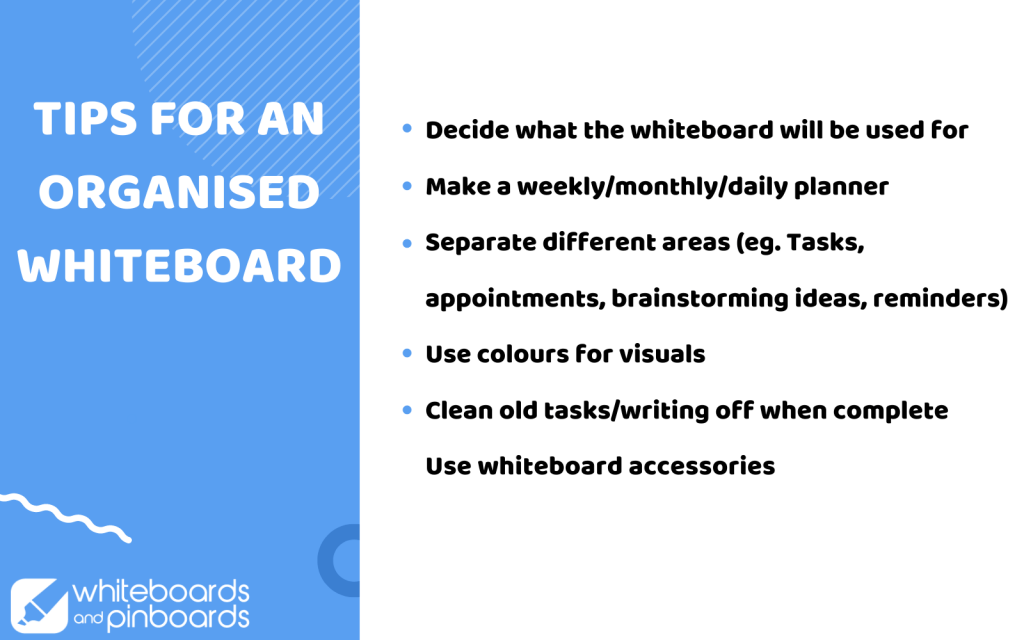
Before setting up your whiteboard, define exactly how you plan to use it.
Ask yourself:
- Is it for daily tasks or long-term planning?
- Will it track projects, schedules, or ideas?
- Is it for personal use or team collaboration?
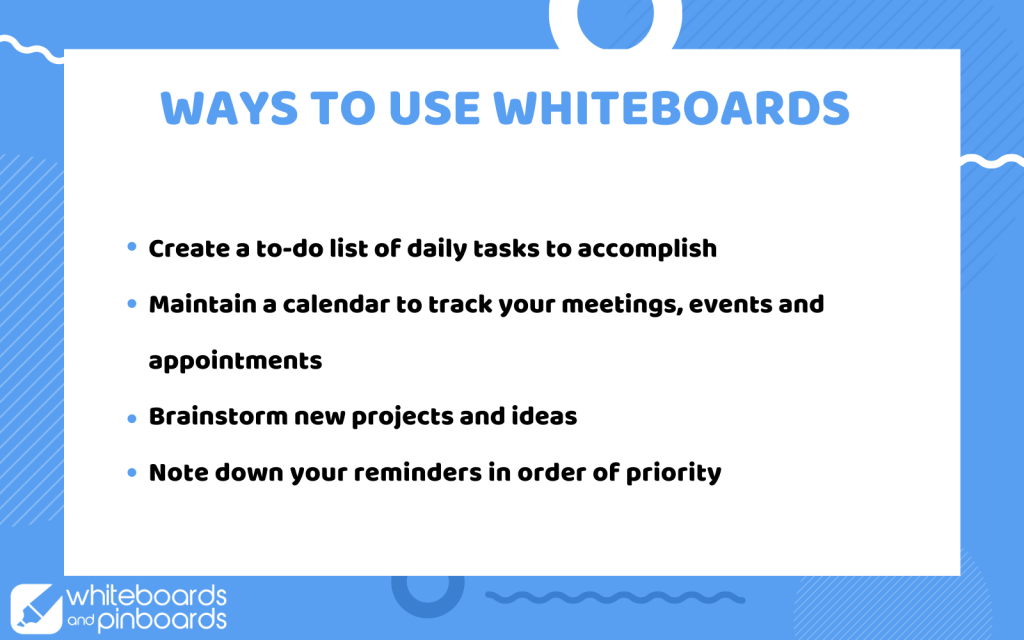
Whiteboards can be used for a wide range of purposes, including to-do lists, calendars, brainstorming sessions, and reminders — but keeping a clear focus ensures your board stays effective rather than overwhelming.
Create a Structured Whiteboard Layout
One of the most important steps in whiteboard organisation is designing a clear layout.
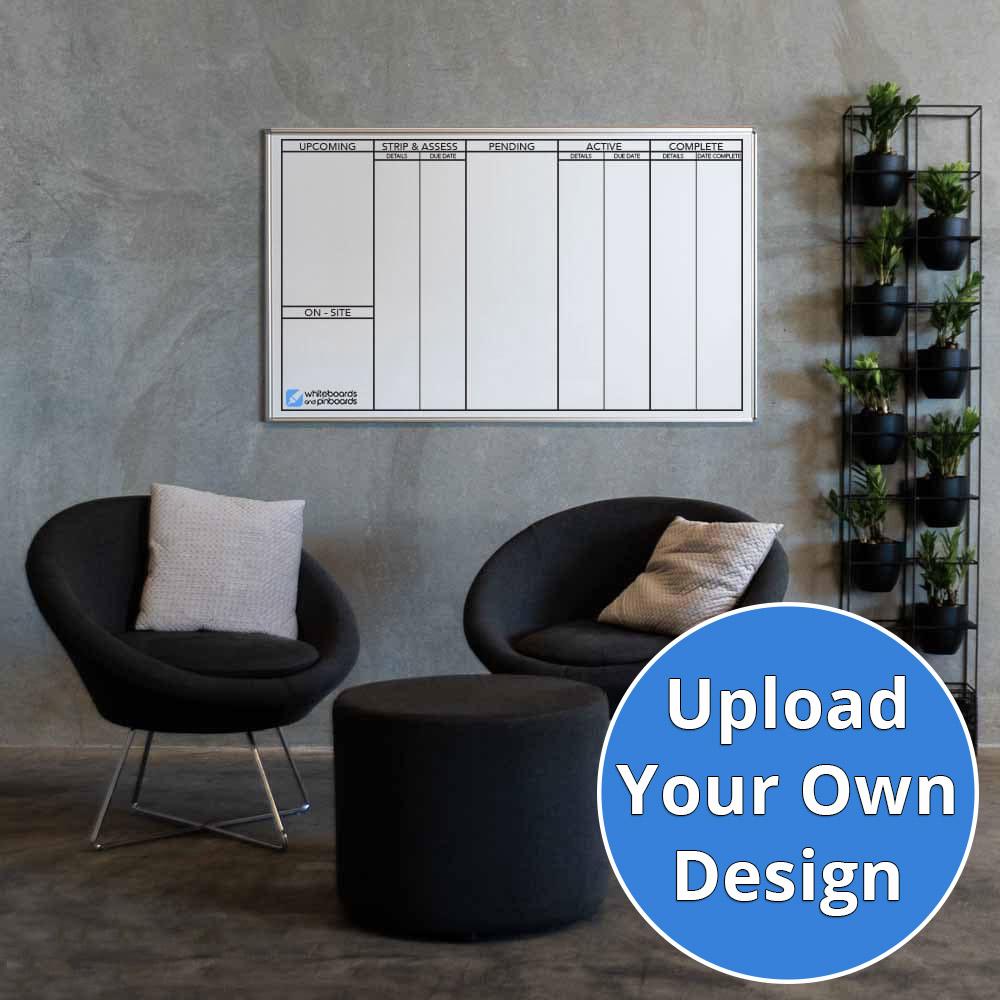
Divide your board into sections such as:
- To-do lists
- Weekly schedule
- Priority tasks
- Notes or ideas
Creating dedicated zones helps prevent clutter and ensures each task or idea has its own space. Without structure, information can quickly become mixed together, making it harder to stay focused.
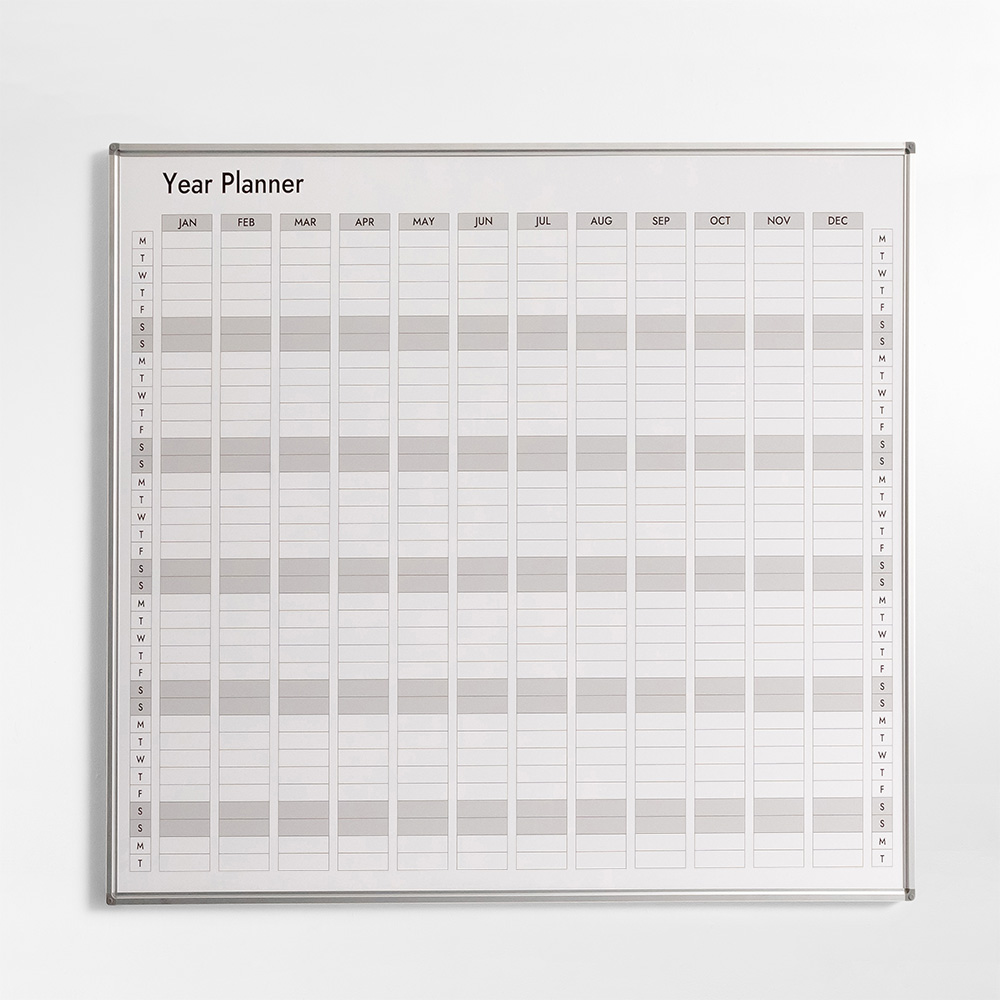
Use a Weekly Planner Format
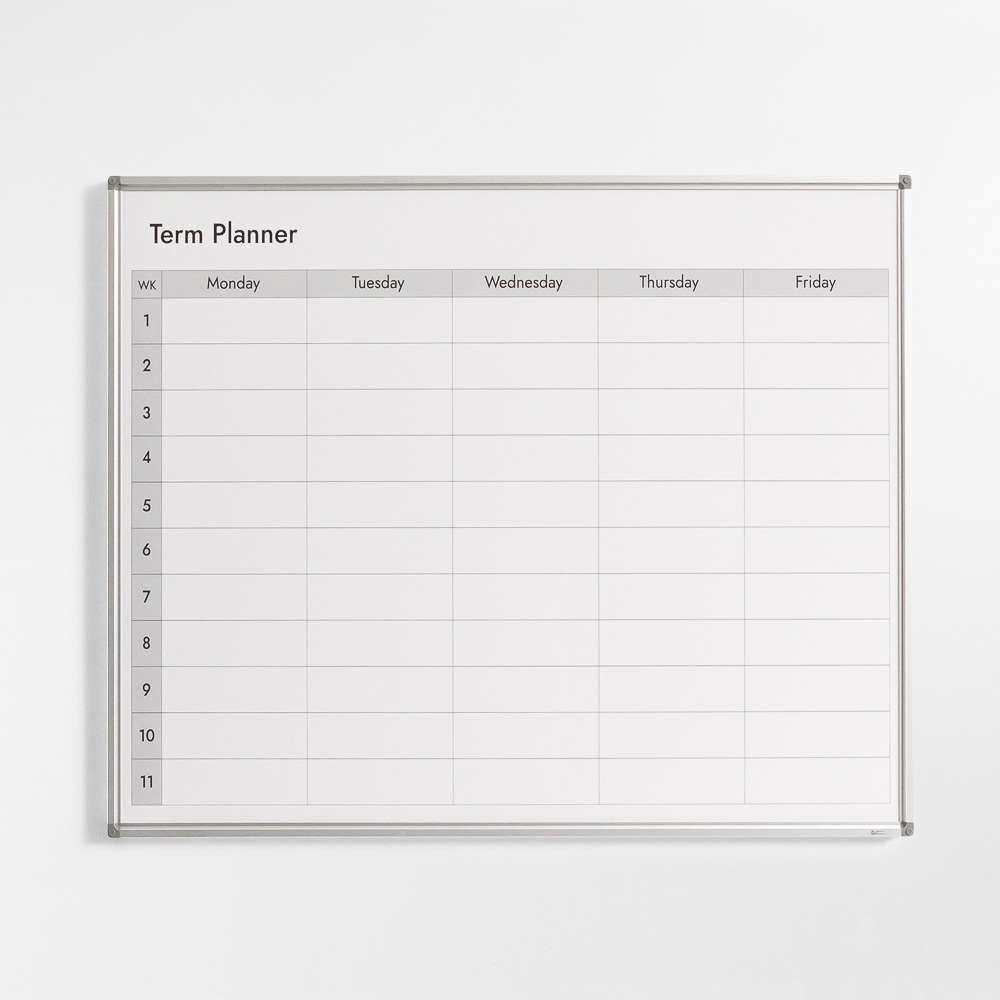
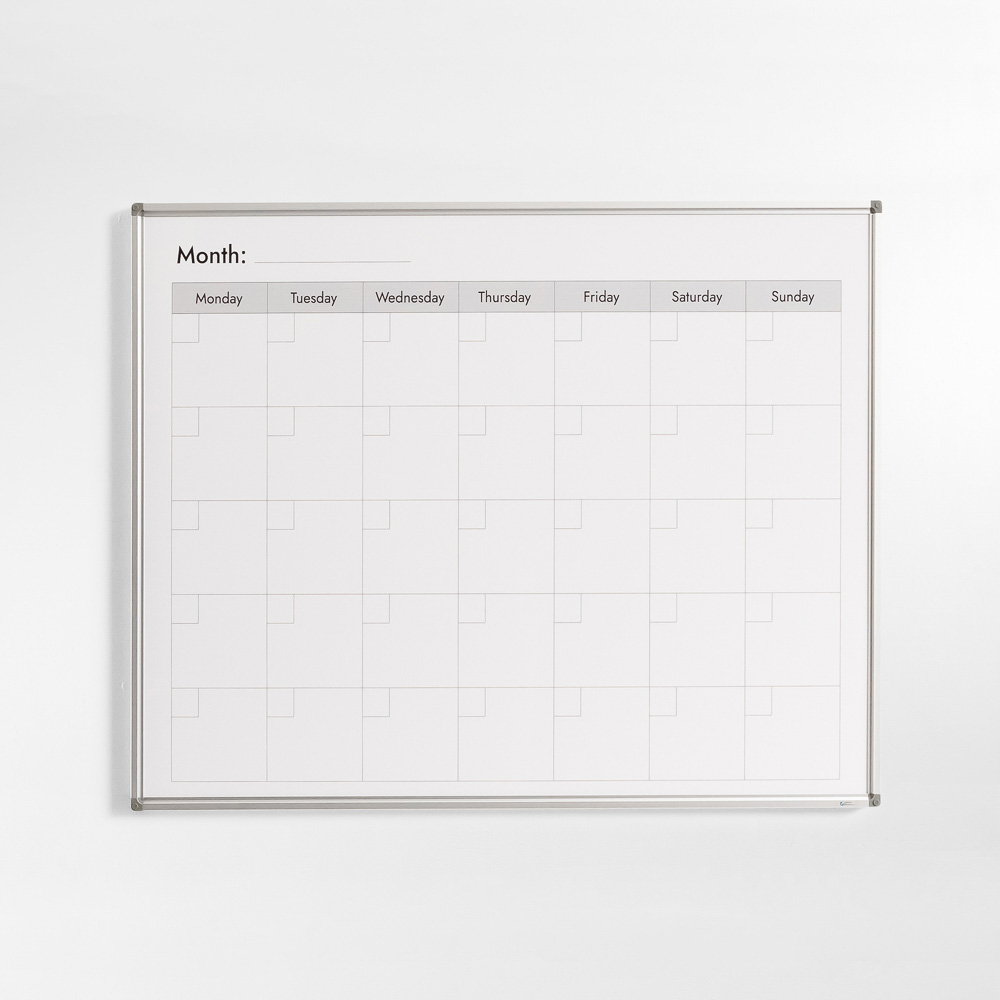
A weekly organiser whiteboard is one of the most effective ways to stay organised.
This format allows you to:
- Plan your week in advance
- Track meetings, deadlines, and appointments
- Visualise workload distribution
- Stay accountable to tasks
Weekly planner boards are popular in offices, classrooms, and homes because they provide a clear overview of upcoming responsibilities in one place.
Prioritise Tasks Clearly
Not all tasks are equal, so it’s important to highlight priorities on your board.
You can do this by:
- Listing tasks in order of importance
- Using symbols or icons (e.g., stars or checkmarks)
- Creating a “priority” section
This helps you focus on what matters most instead of getting distracted by less important tasks.
Use Colour Coding for Clarity
Colour coding is one of the simplest ways to improve whiteboard organisation.
Different colours can be used to:
- Separate categories (work, personal, deadlines)
- Assign tasks to different team members
- Highlight urgent or important items
Using colour makes information easier to scan and understand at a glance, especially in busy environments.
Keep Your Board Updated and Clean
An outdated or cluttered whiteboard quickly loses its effectiveness.
To maintain organisation:
- Erase completed or irrelevant tasks regularly
- Update schedules and priorities daily or weekly
- Start fresh when beginning new projects
Keeping your board clean ensures it remains a useful and motivating tool rather than a source of confusion.
Use Accessories to Enhance Organisation
Whiteboard accessories can significantly improve functionality.
Consider using:-
- Magnets to hold documents or notes
- Sticky notes for temporary reminders
- Markers in multiple colours
- A quality eraser for easy cleaning
These additions help turn your whiteboard into a more dynamic and adaptable organisation system.
Whiteboard Organisation Ideas for Different Spaces
- In Offices – Use whiteboards for task tracking, project planning, brainstorming sessions, and team communication.
- In Classrooms – Whiteboards can display daily schedules, lesson plans, and important reminders while supporting structured learning.
- At Home – A whiteboard can act as a family planner, meal planner, or daily reminder board to keep everyone organised.
Why Whiteboards Improve Productivity?
- In Offices – Use whiteboards for task tracking, project planning, brainstorming sessions, and team communication.
- In Classrooms – Whiteboards can display daily schedules, lesson plans, and important reminders while supporting structured learning.
- At Home – A whiteboard can act as a family planner, meal planner, or daily reminder board to keep everyone organised.
Shop Whiteboards for Organisation
Looking to improve your organisation system? Explore our range of whiteboards, planner boards, printed whiteboards, and office organisation tools designed to help you stay productive and in control.
Whether you need:
- Weekly planner whiteboards
- Office collaboration boards
- Classroom organisation boards
- Home planning solutions
We offer high-quality options to suit every space and workflow.