Reuse existing pinboard fixings only after the installer confirms they suit the new board, its mounting method and the wall. Matching outside dimensions or finding screws in convenient positions is not enough to establish compatibility.
When comparing the pinboard range, include the replacement work in the purchasing brief. The board, wall condition and installation scope need to be considered together.
Record the Existing Installation
Before the old board is removed, photograph the whole wall and its surroundings. Record the board’s overall dimensions, orientation and position relative to nearby furniture, doors and switches.
Keep any available model information or installation instructions. Ask the installer to document the existing mounting arrangement when it can be inspected safely. Avoid removing a large board simply to discover how it was attached.
Separate what you know from what still needs checking. An old purchase record may identify the board, but it does not confirm the present condition of the wall or fixings.
Compare Mounting Details, Not Just Board Size
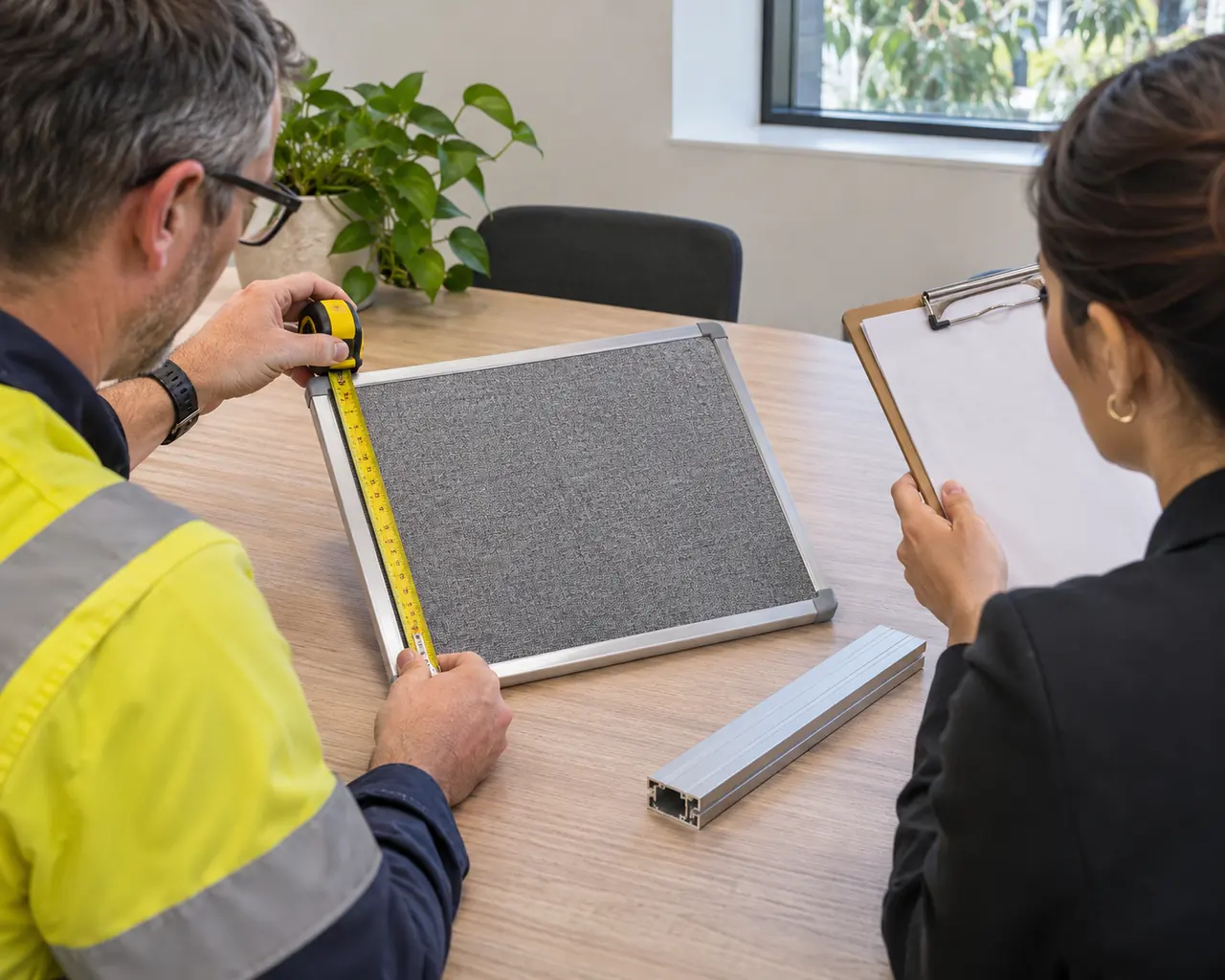
Request the proposed board’s installation instructions, weight and mounting details before ordering. Check where its fixing points sit and whether the specified installation requires access above, beside or behind the board.
Two boards with similar dimensions can have different frames, backing and attachment arrangements. A change between framed and frameless pinboards should therefore trigger a fresh mounting review.
Ask the installer to compare:
- The new board’s required mounting method.
- The existing wall construction and condition.
- The position and condition of old fixings.
- Any additional clearance needed to fit or remove the board.
- The intended orientation and final display height.
Leave the choice of suitable fixings to the installer using the actual wall and the manufacturer’s instructions. Do not alter the board or reuse a bracket solely because it appears to fit.
Allow for What Removal May Reveal
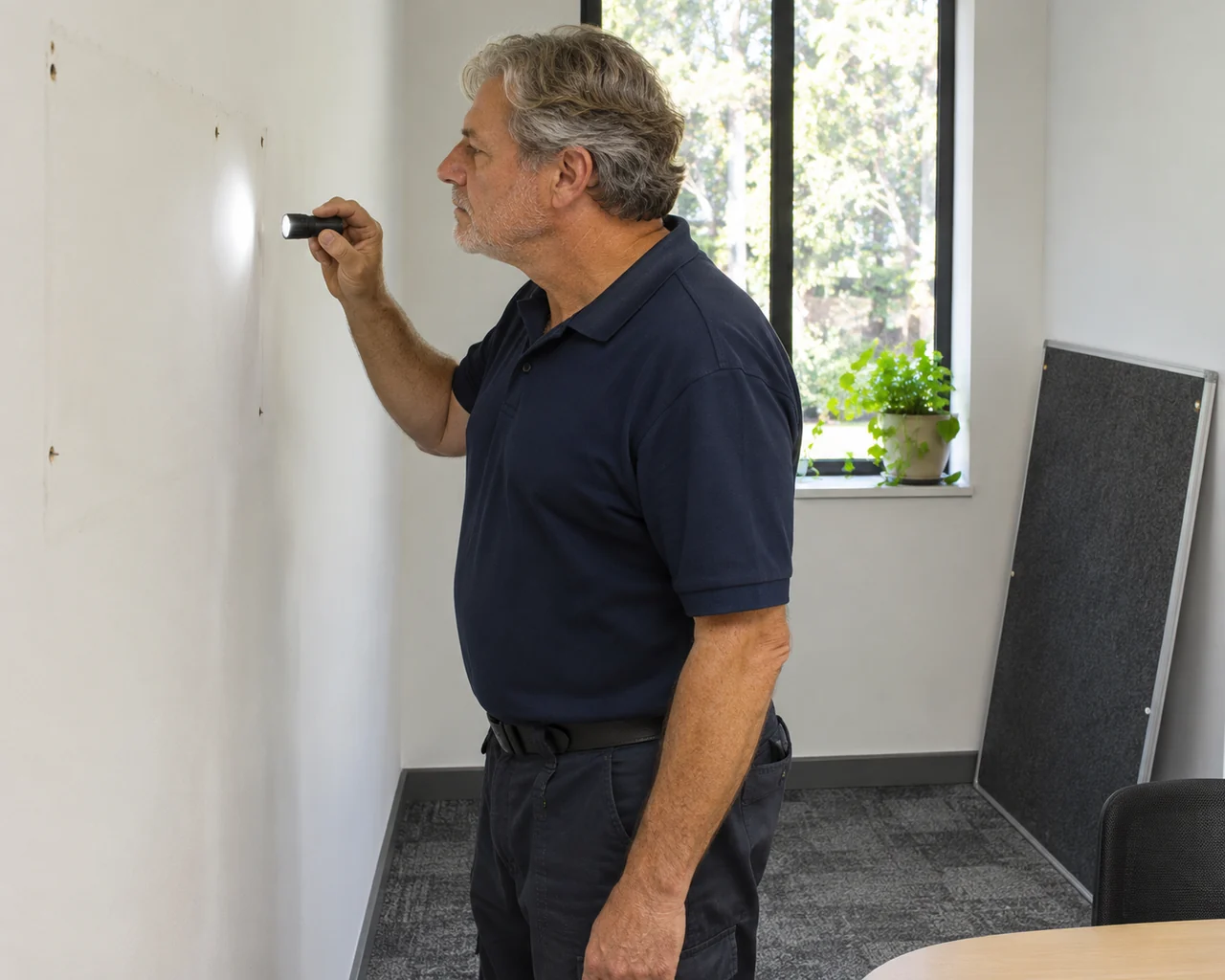
The old board may conceal unused holes, damaged paint or a difference in wall colour. A smaller replacement or a different frame can expose areas that were previously hidden.
Agree who will inspect the wall after removal and who will arrange any necessary repair or repainting. Where the condition cannot be established in advance, include that uncertainty in the work scope and allow for a decision before the new board is installed.
A larger board may cover an old outline, but covering the area does not resolve an unsuitable fixing or damaged wall. Confirm the mounting solution separately from the appearance.
Recheck the Position With Today’s Users
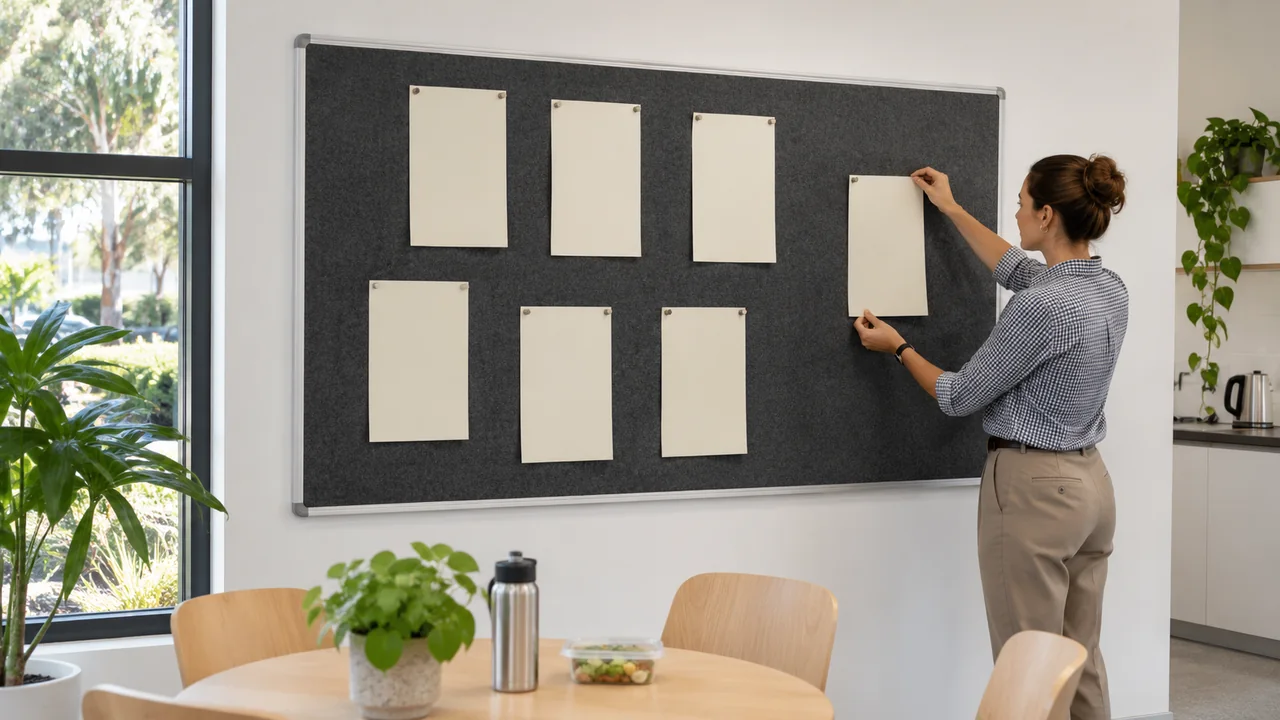
Replacement is a useful point to check whether the original location still works. Furniture may have moved, the audience may have changed, or staff may struggle to reach frequently updated notices.
Review the display from the normal reading position and check access for the person updating it. Keep required switches and other wall features accessible. Do not preserve an inconvenient height simply to align with old holes.
If the proposed position changes, update the installation brief before comparing quotations.
Separate Supply From Replacement Work
Ask the quotation to identify board supply, delivery, removal of the old board, wall preparation, installation and disposal where required. Confirm which tasks are included and who handles the remaining work.
For several rooms, give each location its own reference and record differences in wall construction or mounting. Matching boards do not mean every room has the same installation conditions.
To organise the purchase, request a replacement pinboard quote with photographs, measurements, the preferred board and the work you need included. Resolve mounting assumptions before approving the order.