

If you’ve been researching boards for your classroom, office, or workspace, you’ve probably come across both terms: whiteboard and dry erase board. It’s a common question – are they actually different, or just two names for the same thing?
The short answer: they are essentially the same product, but understanding the terminology and materials can help you choose the best option for your space.
What Is The Difference Between a Whiteboard and a Dry Erase Board?
In most cases, there is no real difference between a whiteboard and a dry erase board. The terms are used interchangeably to describe a non-porous writing surface that allows marker ink to be wiped away easily without water.
Both are designed to be used with dry erase markers and are commonly found in:
- Classrooms and lecture spaces
- Offices and meeting rooms
- Commercial and collaborative environments
In simple terms: A whiteboard is a dry erase board – and a dry erase board is a whiteboard.
Why Are There Two Different Names?
The difference is mainly terminology and marketing rather than function.
- Whiteboard refers to the traditional white surface most people are familiar with
- Dry erase board refers to the functionality – the ability to erase markings without water
Some dry erase boards can also come in colours (such as glass boards or tinted surfaces), which is why the broader term “dry erase board” is sometimes used.
What Actually Matters: Whiteboard Materials
While the name doesn’t matter much, the material of the board makes a huge difference in performance, durability, and long-term value.
Melamine Whiteboards
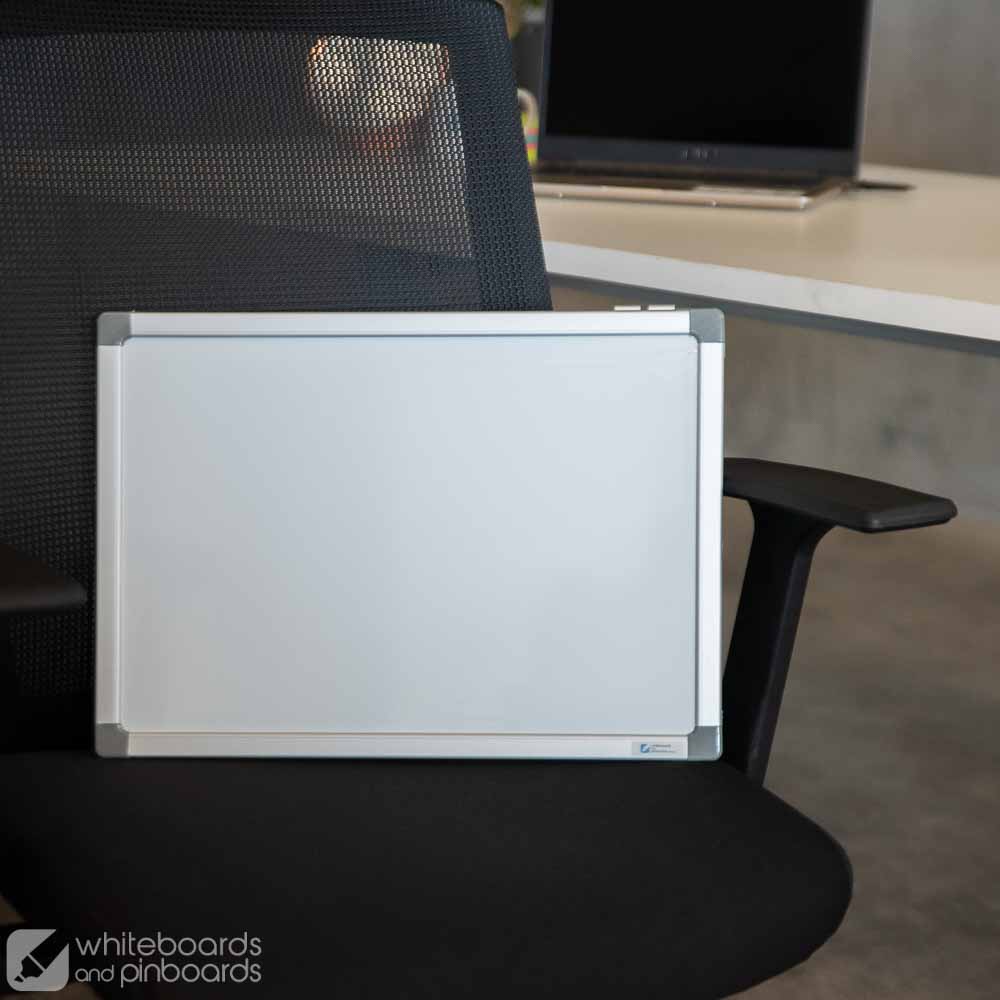
Melamine boards are the most affordable and commonly used option in schools and offices. They feature a laminate surface over a backing board.
- Budget-friendly
- Suitable for light to moderate use
- More prone to staining and “ghosting” over time
These are often found in basic office setups or budget classroom environments.
Porcelain Whiteboards (Commercial Grade)
Porcelain boards are made from ceramic-coated steel, creating a highly durable, non-porous surface.
- Resistant to staining and scratching
- Long lifespan
- Ideal for high-use environments
These are commonly used in commercial offices, schools, and shared workspaces where performance matters.
Glass Whiteboards (Premium Option)
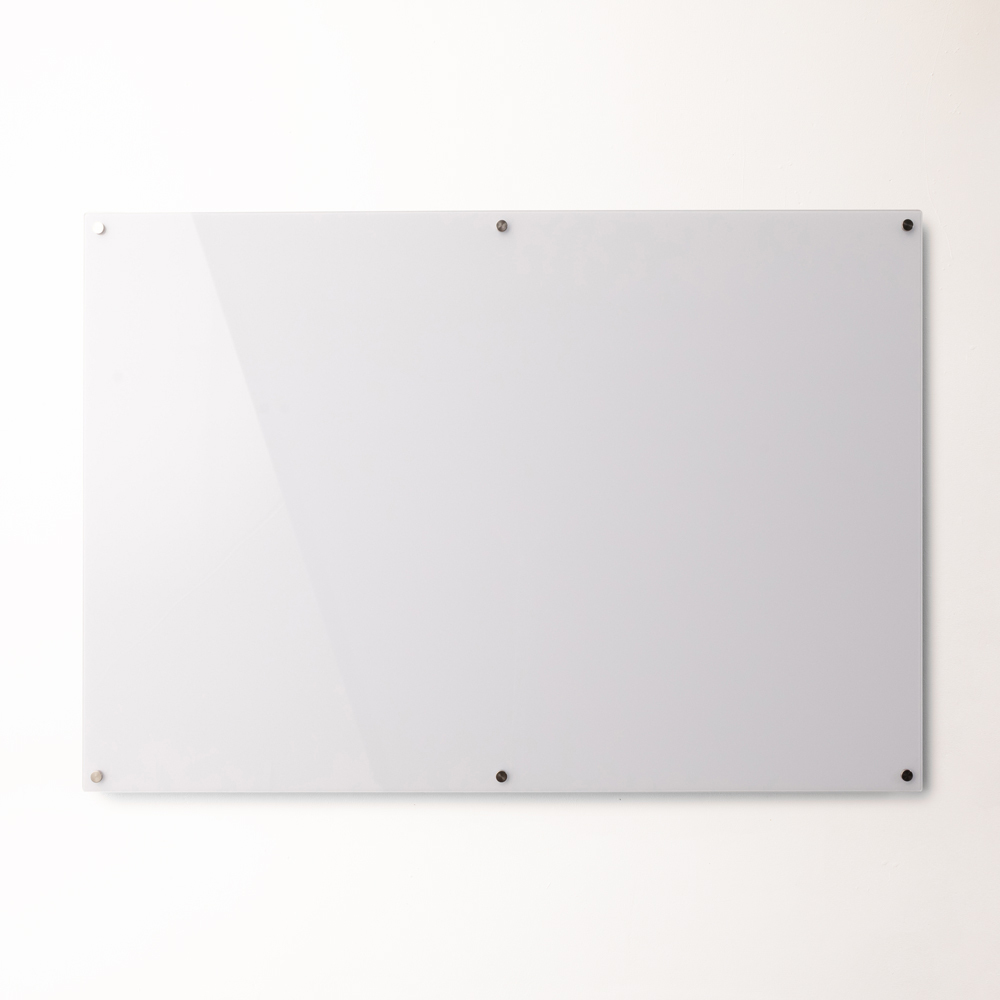
Glass boards are widely considered the highest-performing option. They use tempered glass for a completely non-porous surface.
- Extremely durable and scratch-resistant
- No ghosting or staining
- Modern, professional appearance
Glass boards are a popular upgrade for modern offices, meeting rooms, and design-focused environments.
Glass Dry Erase Board vs Whiteboard
A glass dry erase board is simply a type of whiteboard made from glass, but it offers superior performance compared to traditional materials.
Because glass is completely non-porous, marker ink sits on the surface and wipes away effortlessly – even after heavy use. This makes it one of the best options for long-term durability and consistent performance.
Which One Should You Choose?
Since whiteboards and dry erase boards are essentially the same, the real decision comes down to quality, usage, and budget:
- Choose melamine boards for occasional or low-cost use
- Choose porcelain boards for durability in high-use environments
- Choose glass boards for premium performance and modern aesthetics
If you’re comparing options across different suppliers, focusing on board material and durability will deliver better long-term results than focusing on the name alone.
Why Whiteboards Still Dominate Modern Workspaces
Despite digital alternatives, whiteboards remain one of the most effective tools for visual communication, collaboration, and productivity.
Their ability to provide instant, flexible, and reusable space for ideas makes them essential in:
- Classrooms and training environments
- Office meetings and brainstorming sessions
- Planning and scheduling workflows
This is why many organisations are upgrading from basic boards to high-quality commercial whiteboards and glass dry erase boards that offer better performance and longevity.
The Resilience of Glass Dry Erase Board vs Whiteboard
Glass boards are incredibly durable and resilient to scratches and scuff marks, damaging the surface of other less durable materials. Dents and other faults in different materials’ surface can damage your markers by catching on the surface. It can also interrupt your writing flow if you consistently have to dodge that one dent in the whiteboard. Glass dry erase boards maintain that smooth, shiny surface no matter where they are.
Shop Whiteboards & Dry Erase Boards
Ready to upgrade your workspace? Explore our range of whiteboards, dry erase boards, glass boards, and commercial writing surfaces designed for classrooms, offices, and professional environments.
Whether you’re looking for:
- Budget-friendly whiteboards
- Durable commercial boards
- Premium glass dry erase boards
- Mobile or wall-mounted solutions
We offer high-quality options to suit every space and requirement.




What can I use to leave a permanent line intentionally on a white board?
Hi Dale!
To create a permanent line on a whiteboard we recommend using our adhesive lining tape. The alternative of course is to have a custom printed whiteboard with the lines printed where you need them from the start.
When you speak of a porcelain board, may I use white ceramic subway tiles as a good alternative?
Hi Venita, I can’t say we have ever tried! The surfaces on our porcelain whiteboards are specially made for the purpose.