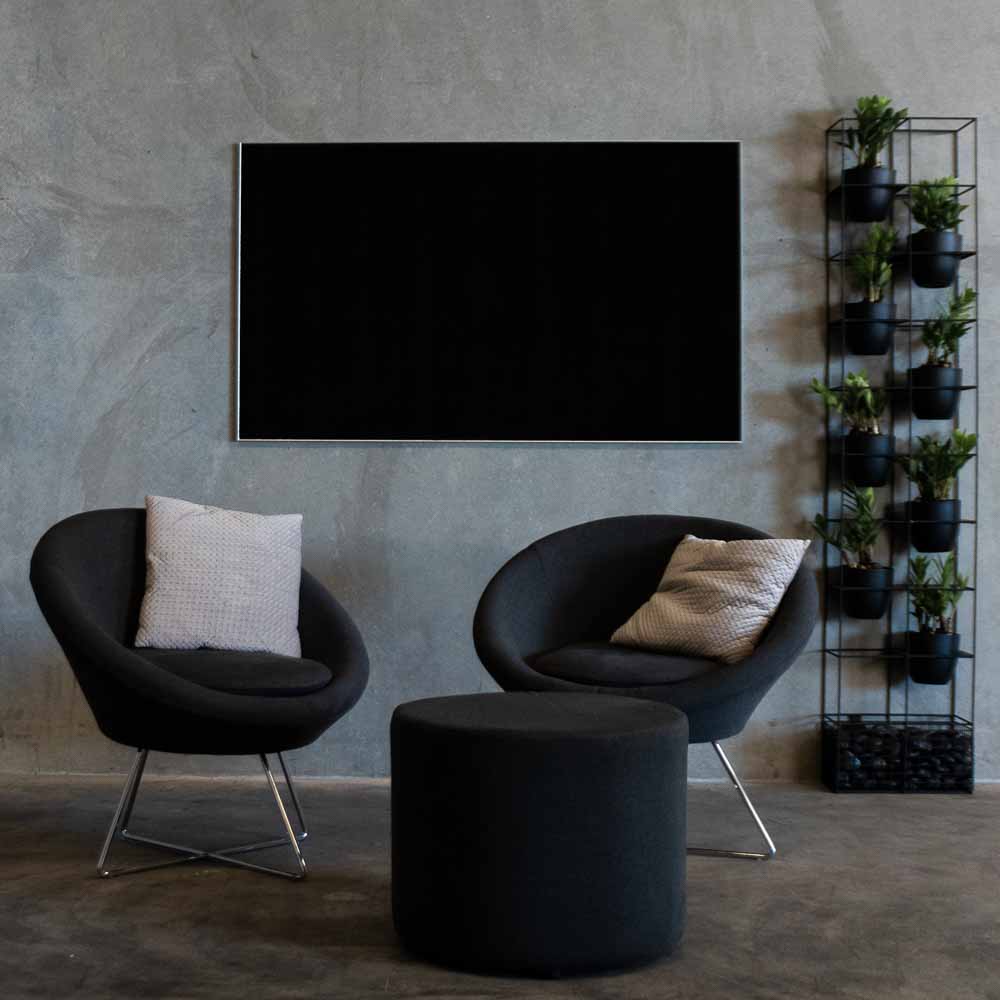
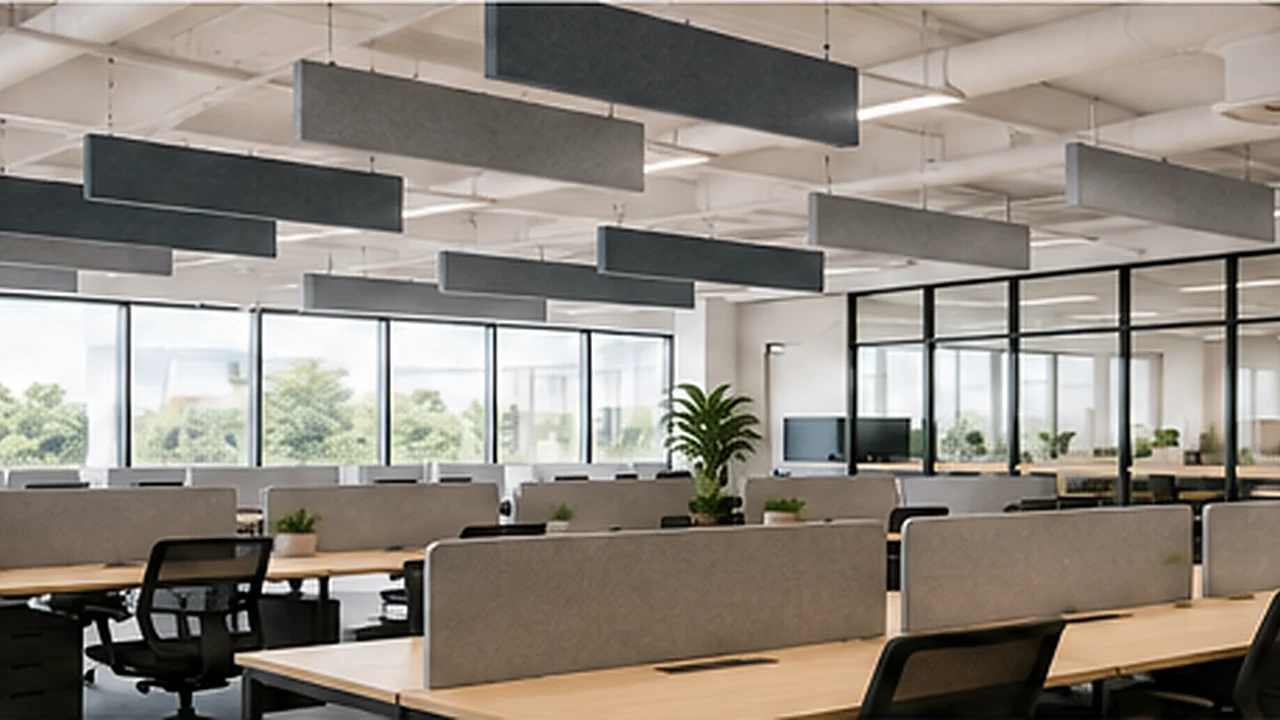
Acoustic ceiling panels and wall panels solve the same underlying problem: unwanted sound reflections and excessive reverberation inside a room. The better option depends on where reflective surfaces are located, how the room is used, how much wall space is available and how acoustic treatment needs to integrate with the interior.
Wall acoustic panels are generally well suited to meeting rooms, classrooms, offices and smaller commercial spaces where useful wall area is available and specific reflection points can be treated.
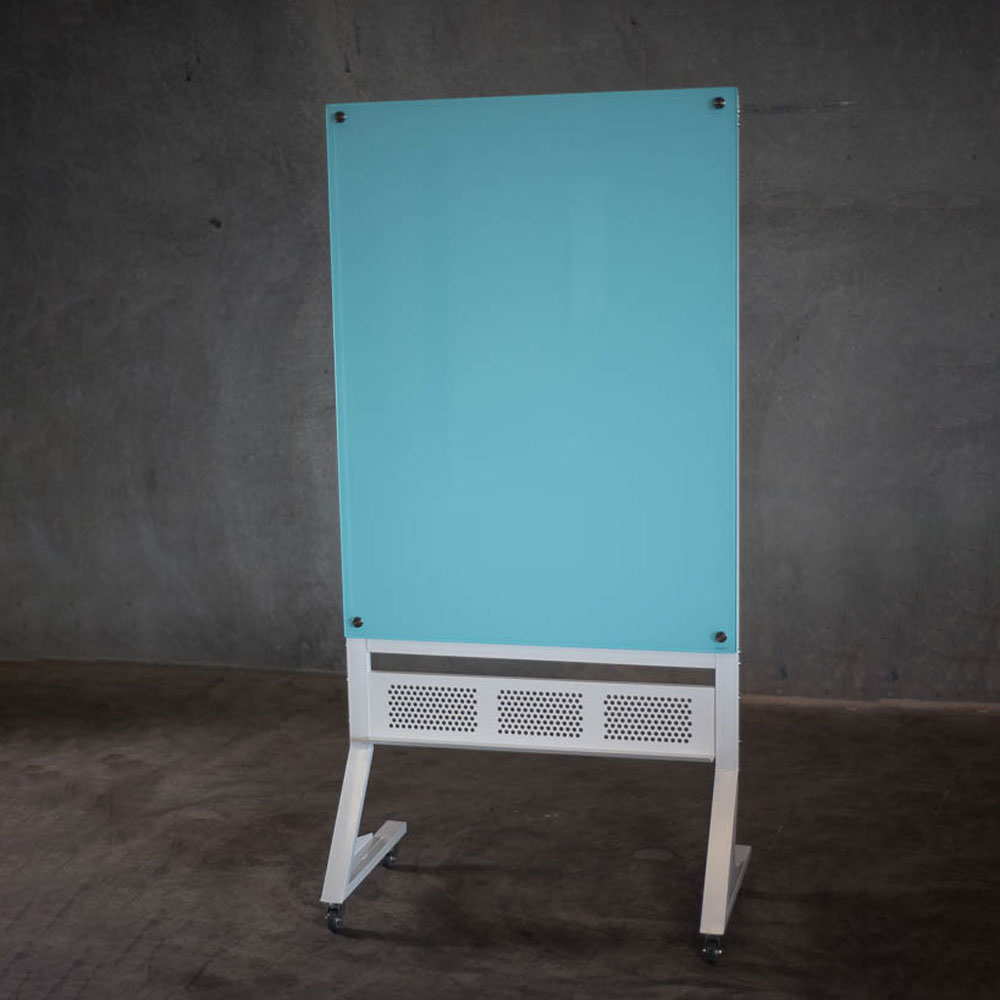
Ceiling acoustic panels, acoustic baffles and suspended rafts become particularly valuable in open-plan offices, high-ceiling spaces and interiors dominated by glazing, whiteboards, shelving or other wall-mounted equipment.
Many commercial projects benefit from using both rather than treating the decision as strictly one or the other.
Whiteboards and Pinboards supplies a broad range of commercial acoustic panels for offices, education facilities and other Australian commercial interiors.
1. Start With the Acoustic Problem, Not the Panel Position
Before deciding between wall and ceiling acoustic panels, identify what the room is actually struggling with.
Typical problems include:
- Speech becoming difficult to understand
- Conversations carrying across an open office
- Persistent echo after someone speaks
- Meeting-room audio sounding harsh
- Video calls picking up excessive room reverberation
- Classroom instructions becoming less clear
- Noise building as occupancy increases
- Hard surfaces creating an acoustically lively environment
Acoustic panels primarily manage sound reflections within a room.
They should not automatically be treated as soundproofing products.
If the problem is sound travelling through walls, floors or ceilings into another room, the building construction may need to be investigated separately.
If the issue is excessive reverberation inside the room, absorptive wall and ceiling treatments can be appropriate.
2. When Wall Acoustic Panels Make the Most Sense
Wall panels are one of the most straightforward ways to introduce absorption into a room.
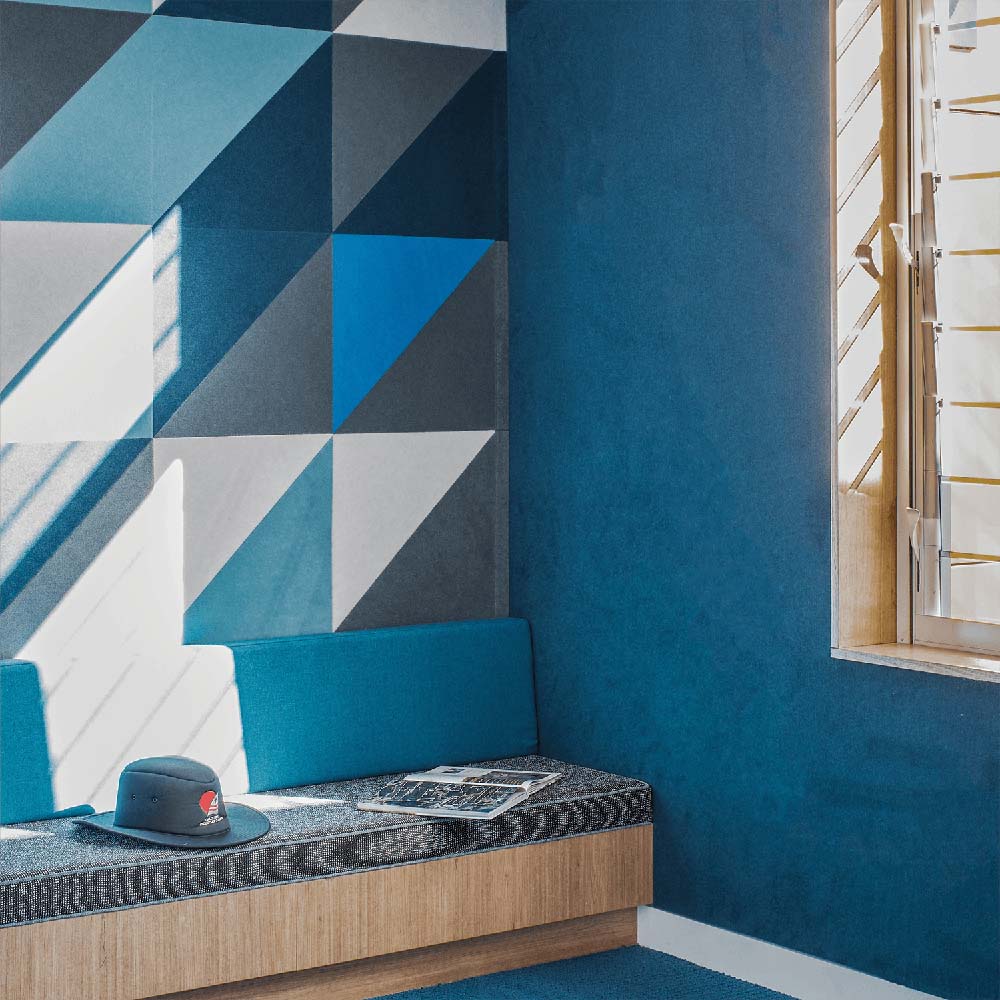
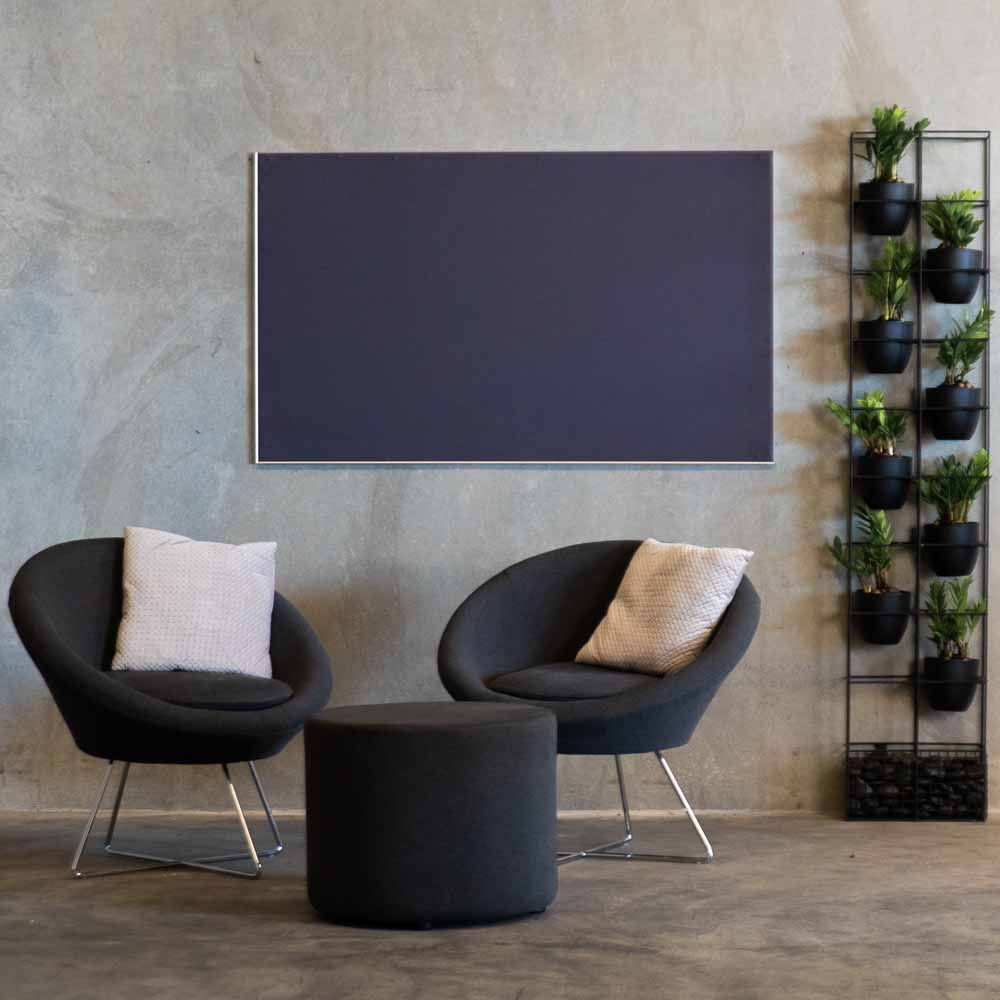
They can be positioned around areas where reflected sound is contributing to poor acoustic conditions and are available in numerous shapes, colours and finishes.
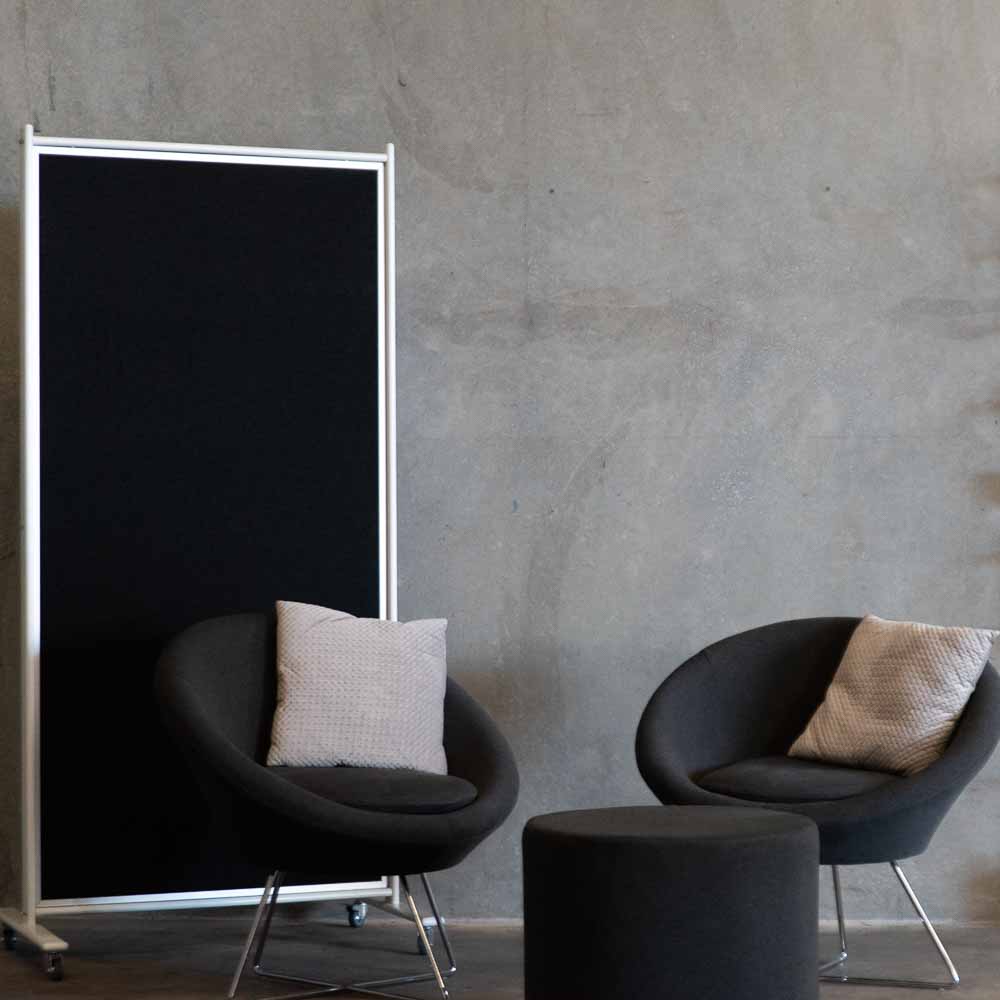
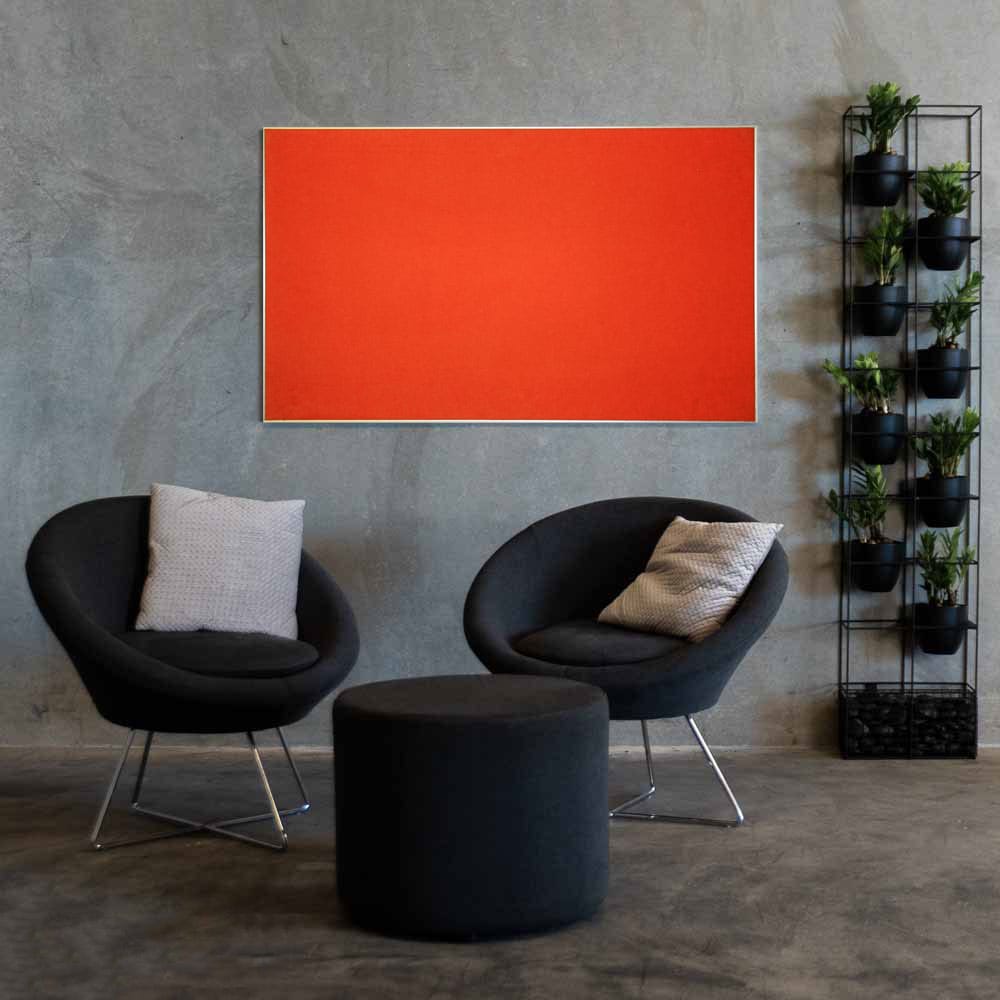
The wall acoustic panel range includes solutions for workplaces, schools, meeting rooms and larger commercial applications.
Wall panels are particularly useful when:
- Large sections of wall are currently unused
- The room has strong parallel reflective walls
- Speech clarity is the primary concern
- Treatment needs to be positioned near occupants
- A decorative feature wall is desirable
- Panels need to remain accessible
- Ceiling services make suspended treatment difficult
- The ceiling is already acoustically treated
Meeting rooms are a common example.
A table surrounded by people produces speech in several directions. Nearby plasterboard, glass or masonry surfaces can reflect that sound back into the room.
Strategically positioned wall panels can absorb part of those reflections before they continue travelling between hard surfaces.
3. When Acoustic Ceiling Panels Are the Better Option
Ceiling treatment becomes increasingly valuable as rooms become larger, taller or more architecturally open.
Modern commercial interiors often contain:
- Floor-to-ceiling glazing
- Open ceilings
- Large banks of windows
- Whiteboards
- Interactive displays
- Joinery
- Storage
- Doors
- Artwork
- Presentation equipment
All of these can reduce the amount of suitable wall space available for acoustic treatment.
The ceiling acoustic panel range includes suspended panels, acoustic baffles, rafts, ceiling tiles and other overhead systems designed for commercial spaces.
Ceiling treatment is particularly useful for:
- Open-plan offices
- High ceilings
- Large classrooms
- Collaboration areas
- Training rooms
- Hospitality spaces
- Lobbies
- Commercial interiors with extensive glazing
- Rooms with limited free wall area
Using the ceiling allows acoustic absorption to be introduced without competing with the functional surfaces people need at working height.
4. Acoustic Baffles, Rafts, Clouds and Ceiling Tiles Are Not the Same Thing
“Acoustic ceiling panels” is a broad search term covering several different installation formats.
Understanding these formats helps narrow down the right solution.
Acoustic Baffles
Baffles are typically suspended vertically from the ceiling.
They can work well in:
- Large open spaces
- Offices with exposed ceilings
- High-volume rooms
- Education spaces
- Commercial interiors where repeated linear elements suit the design
Because both broad faces of a suspended baffle may remain exposed to the room, the configuration can provide useful absorptive surface area without occupying walls.
Suspended Acoustic Rafts or Clouds
Rafts are normally suspended horizontally beneath the structural ceiling.
They are often positioned:
- Above workstation areas
- Over meeting tables
- Above collaboration zones
- Across open-plan work areas
- Beneath high ceilings
They can create a clearly defined visual feature while placing acoustic material closer to the occupied area.
Acoustic Ceiling Tiles
Ceiling tiles can integrate acoustic treatment into compatible suspended ceiling systems.
This approach may suit projects where the ceiling grid already forms an important part of the interior.
Decorative Hanging Systems
Architectural acoustic systems can also use fins, geometric forms and suspended arrangements to combine visual design with acoustic absorption.
The right format depends on the ceiling height, services, available fixing points, required coverage and desired appearance.
5. Wall Panels vs Ceiling Panels: The Practical Differences
There is no universal winner.
Choose wall acoustic panels when:
- Suitable wall space is readily available
- Specific wall reflections need treatment
- Installation accessibility is important
- Decorative wall finishes are desirable
- The ceiling contains substantial services
- The room is relatively compact
Choose ceiling acoustic panels when:
- Wall area is limited
- Large areas of glazing are present
- The room has a high ceiling
- Open-plan acoustic treatment is required
- Workstations occupy a large uninterrupted floor area
- Acoustic treatment needs to sit above specific activity zones
Consider both when:
- The room is large
- Several hard surfaces are contributing to reverberation
- Wall treatment alone cannot provide practical coverage
- Ceiling treatment alone leaves important reflection areas untreated
- Speech clarity is particularly important
- Different areas of the room perform different functions
The correct decision is based on the room rather than a fixed preference for one mounting method.
6. Why Glass-Heavy Offices Often Benefit From Ceiling Treatment
Commercial interiors increasingly use large glazed partitions and external windows.
Glass is useful for:
- Natural light
- Visual openness
- Meeting-room visibility
- Contemporary workplace design
However, it also limits where wall-mounted acoustic material can be installed.
Consider a meeting room containing:
- One glazed external wall
- One glazed internal partition
- A large whiteboard
- A display screen
- A door
Very little uninterrupted wall area may remain.
Trying to force the entire acoustic treatment onto that remaining area can produce an unbalanced layout.
Ceiling panels or suspended baffles allow more absorption to be introduced without sacrificing:
- Glazing
- Whiteboard space
- Displays
- Storage
- Doors
- Functional wall surfaces
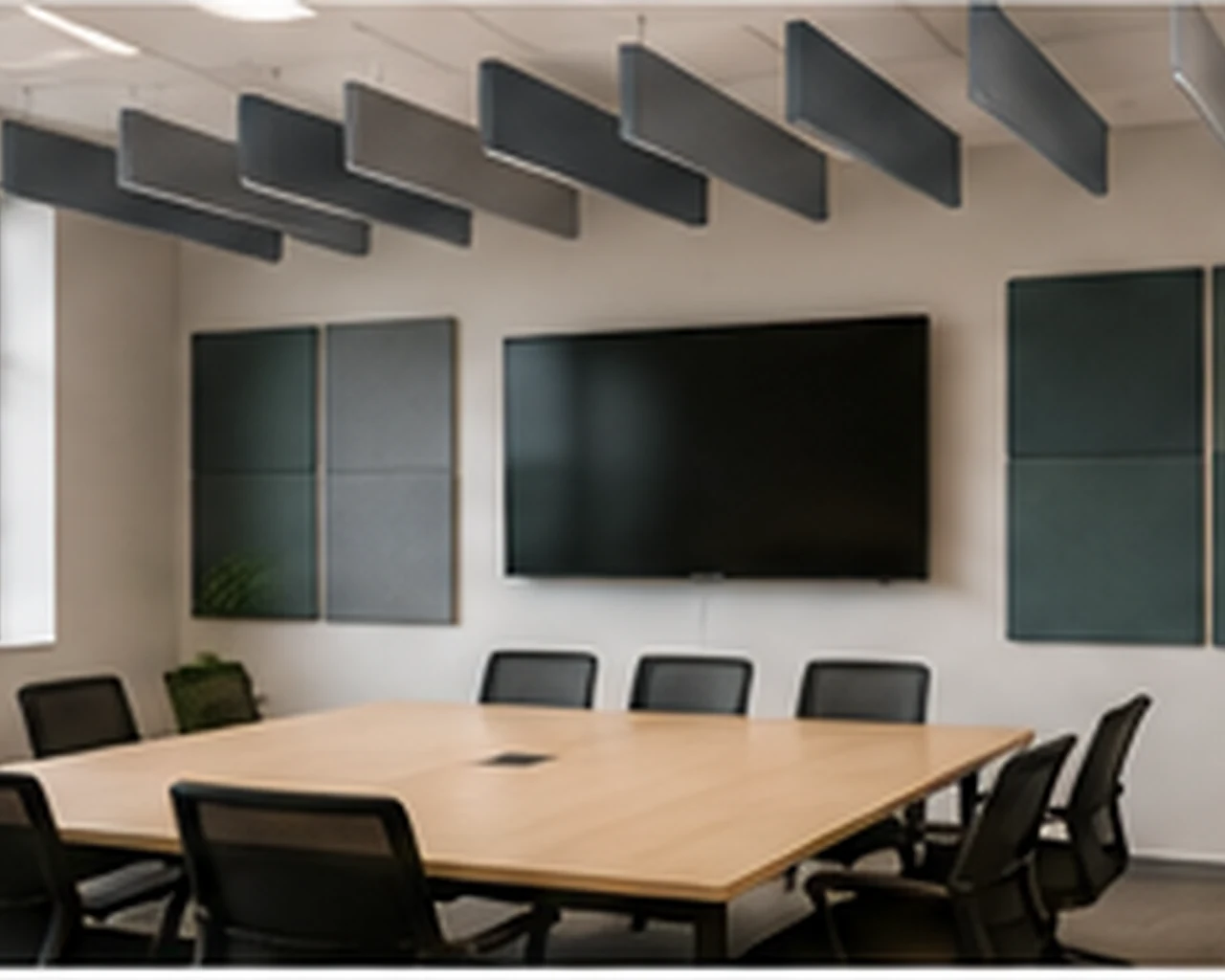
7. Ceiling Treatment Can Be Particularly Useful Above Open Work Areas
Open-plan offices create a different acoustic challenge from enclosed meeting rooms.
Instead of one small group speaking within four walls, an open office can contain multiple simultaneous sound sources:
- Phone calls
- Informal conversations
- Meetings
- Video conferences
- Keyboard activity
- Movement
- Equipment
- Collaborative discussions
Ceiling treatment can be distributed above the occupied workspace without requiring new partitions between every team.
Potential locations include:
- Above workstation banks
- Over collaboration areas
- Between different workplace zones
- Above breakout tables
- Across circulation areas where appropriate
Ceiling absorption does not eliminate every workplace noise problem.
Office layout, zoning, screens, furniture and behavioural factors can also affect the acoustic environment.
It can, however, form an important part of a broader commercial acoustic strategy.
8. Wall Treatment Remains Valuable in Meeting Rooms and Classrooms
Ceiling treatment should not make wall panels an afterthought.
Meeting rooms and classrooms often contain strong horizontal sound transmission because people are speaking toward other occupants.
Useful wall locations can include:
- Behind meeting participants
- Opposite speakers
- Rear classroom walls
- Side walls beside seating
- Walls adjacent to collaborative areas
A room may therefore use ceiling absorption to manage the overall acoustic environment and wall treatment to address specific reflective areas.
This is often more practical than concentrating every panel in one location.
For more detailed positioning guidance, see the guide to where to place acoustic panels.
9. Do Not Cover Functional Wall Space Just to Avoid Using the Ceiling
An acoustic installation still needs to produce a functional room.
Avoid sacrificing important workplace infrastructure simply because wall panels initially appear easier to install.
Common wall requirements include:
- Whiteboards
- Interactive displays
- Noticeboards
- Television screens
- Storage
- Shelving
- Joinery
- Windows
- Doors
- Safety equipment
- Signage
If installing sufficient wall treatment means removing or obstructing these features, move part of the acoustic strategy overhead.
The ceiling is often an underused surface in acoustic planning.
10. Consider the Ceiling Height
Ceiling height affects both the acoustic environment and the practical treatment options.
Standard-Height Rooms
Wall treatment may provide sufficient practical coverage where the room is relatively small and suitable wall area is available.
Ceiling tiles may also be appropriate where a suspended ceiling system exists.
Higher Ceilings
Large volumes of air and extensive hard surfaces can create longer reverberation.
Suspended treatment can place absorptive material lower in the room rather than relying only on the structural ceiling plane.
Very High Commercial Spaces
Atriums, lobbies and large collaboration spaces may require a more considered acoustic design.
Suspension heights, services, lighting, sprinklers and architectural requirements should all be considered before specifying a ceiling system.
11. Check Building Services Before Choosing Ceiling Panels
Ceiling acoustic installations need to coexist with other building systems.
Review the location of:
- Lighting
- Air-conditioning
- Fire sprinklers
- Smoke detectors
- Speakers
- Security devices
- Projectors
- Cable trays
- Access panels
- Structural elements
Do not select a suspended acoustic layout based solely on appearance and then discover that the proposed positions conflict with essential services.
This is particularly important for larger commercial projects involving repeated rows of baffles, fins or ceiling rafts.
12. Use a Mixed Acoustic Strategy Where It Solves a Real Problem
Combining wall and ceiling treatment does not mean covering every available surface.
A practical mixed approach might use:
- Wall panels near important reflection points
- Ceiling rafts above workstations
- Baffles through high open areas
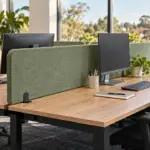
- Screens between teams
- Soft furnishings where appropriate
- Existing carpet and upholstered furniture as part of the room environment
The objective is balanced treatment.
For example, an open-plan office could use suspended acoustic elements across the main workstation floor while placing wall panels around meeting areas and enclosed rooms.
This distributes absorption more logically across the environment.
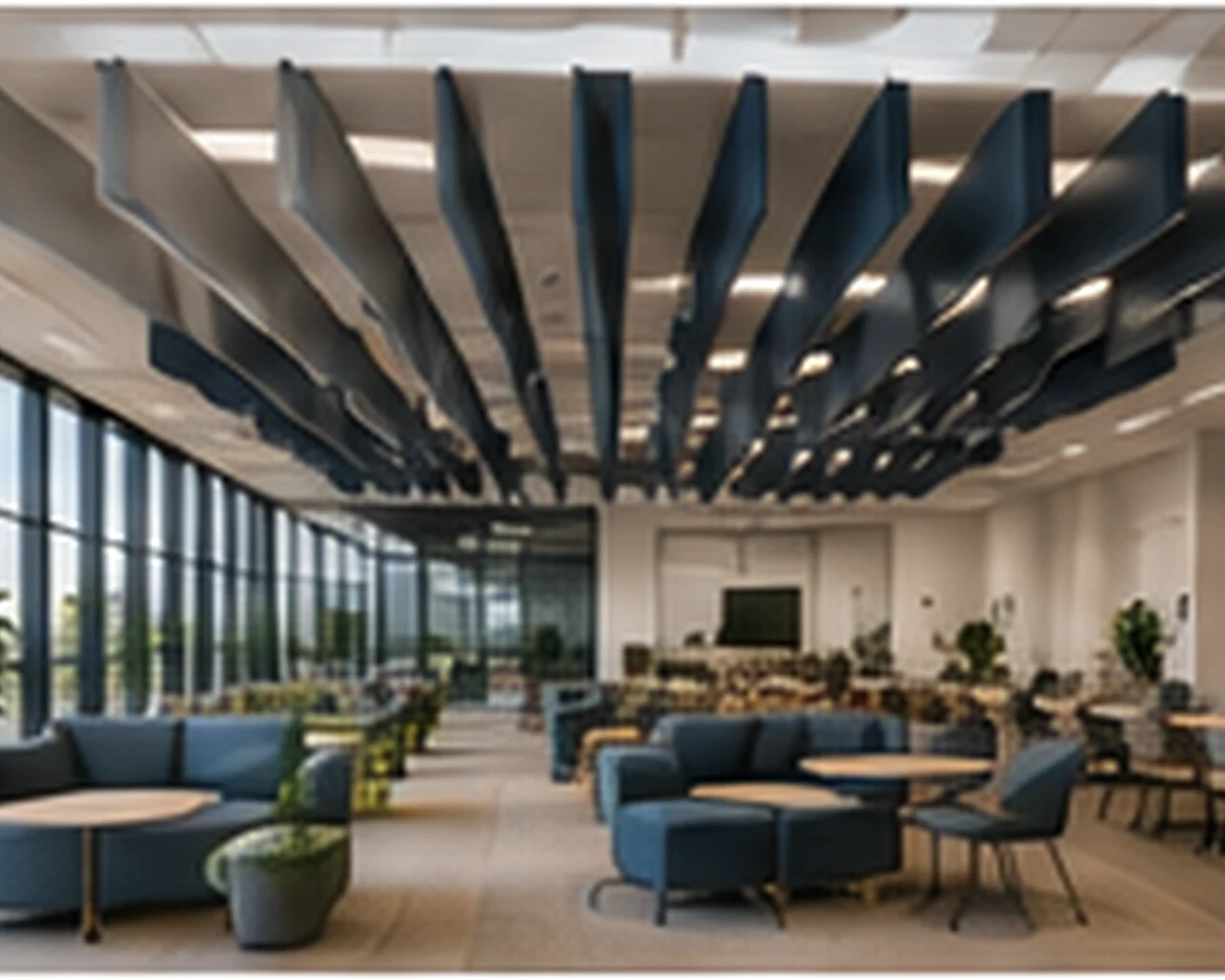
13. Think About Acoustic Coverage Before Ordering
Panel quantity should not be determined by floor area alone.
Consider:
- Room dimensions
- Ceiling height
- Occupancy
- Existing soft finishes
- Amount of glazing
- Wall construction
- Ceiling construction
- Panel dimensions
- Acoustic performance
- Installation configuration
- Location of sound sources
- Required speech clarity
Ten small panels and ten large panels clearly do not provide the same amount of absorptive material.
Likewise, panels positioned behind furniture or concentrated in an acoustically unimportant area may not perform as effectively as well-distributed treatment.
For projects where quantity is uncertain, the existing guide on how many acoustic panels you need explains coverage calculations and the factors that should be considered before ordering.
14. Avoid Common Wall and Ceiling Acoustic Mistakes
Treating Acoustic Panels as Soundproofing
Absorption and sound isolation are different problems.
Installing Everything on One Wall
This may leave other significant reflection paths untreated.
Ignoring the Ceiling
Large, hard ceilings can form a substantial reflective surface.
Using the Ceiling Automatically
A small room with suitable wall space may not require a complicated suspended system.
Covering Useful Wall Space
Do not sacrifice required whiteboards, displays or storage where ceiling treatment provides another option.
Ignoring Services
Suspended systems must be coordinated with lighting, HVAC, sprinklers and other ceiling infrastructure.
Choosing by Appearance Alone
Colour and shape matter, but acoustic performance, coverage and placement need to be considered as well.
Buying Before Finalising the Layout
Furniture and room use can influence where treatment should be located.
Wall vs Ceiling Acoustic Panel Checklist
Before choosing a system, confirm:
- What acoustic problem needs to be addressed?
- Is excessive reverberation the main issue?
- How much uninterrupted wall space is available?
- How much glazing is present?
- Does the room require whiteboards or displays?
- What is the ceiling height?
- Is there an accessible suspended ceiling?
- Where are the lights and air-conditioning outlets?
- Are sprinklers or other services affected?
- Where do most conversations occur?
- Are specific reflection points obvious?
- Does the room need wall treatment, ceiling treatment or both?
- What panel coverage is realistically required?
- Does the proposed treatment suit the architecture?
- Is specialist acoustic input warranted?
Conclusion
The choice between acoustic ceiling panels and wall acoustic panels should be driven by the room.
Wall panels are often a practical solution for meeting rooms, classrooms and workplaces with usable wall area, particularly where specific reflection points need treatment.
Ceiling acoustic panels, rafts and baffles become increasingly useful in high-ceiling spaces, open-plan offices and modern commercial interiors where glazing, whiteboards, displays and storage compete for wall space.
For many larger environments, the best solution is a coordinated combination of wall and ceiling absorption rather than relying exclusively on one surface.
Whiteboards and Pinboards offers wall-mounted panels, acoustic ceiling panels, suspended baffles, rafts and other commercial acoustic solutions for Australian workplace and education projects.