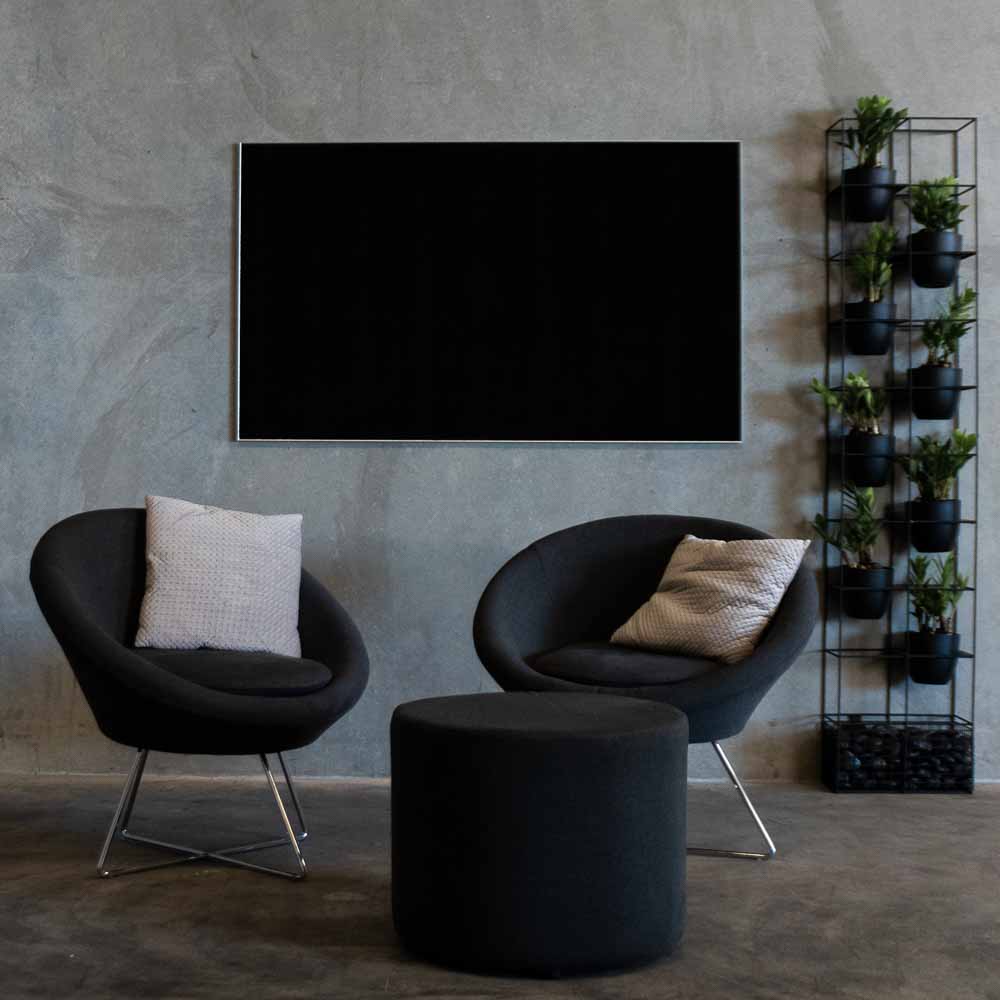

A classroom pinboard should provide enough space for student work, notices and teaching resources without becoming overcrowded or difficult to maintain.
Felt and fabric pinboards are generally the strongest all-purpose choices for schools because they provide a durable commercial finish, broad colour selection and reliable pinning performance. Corkboards suit practical, budget-conscious applications, while acoustic pinboards are more appropriate when the display wall also needs to absorb reflected sound.
The right classroom notice board depends on its purpose, surface material, size, mounting format, fastening method and position within the room. Schools should also consider whether the board needs to remain fixed, move between learning areas or support frequently changed hook-and-loop resources.
1. Define What the Classroom Pinboard Needs to Display
Common classroom displays include:
• Student artwork
• Lesson resources
• Timetables
• Learning goals
• Classroom rules
• Calendars
• Event notices
• Assignment information
• Visual vocabulary
• Subject reference material
• Photographs
• Maps and diagrams
• Group-work instructions
• School announcements
Separate permanent information from material that changes regularly.
A classroom rules display may remain in place for the full term, while student work, lesson resources and activity instructions may change every week.
Ask:
• Who will update the board?
• How often will the display change?
• Will students attach material themselves?
• Does the board need to hold laminated resources?
• Will several subjects share the same surface?
• Should the board be visible from every desk?
• Does the room need additional acoustic absorption?
• Is wall mounting available?
• Will the board move between learning areas?
These questions help distinguish a permanent classroom display wall from a smaller teacher notice board or portable learning resource.
Schools can compare the broader range of pinboards after defining the expected display volume and update frequency.
2. Choose Cork for Straightforward Classroom Displays
Corkboards remain a practical choice for everyday school communication.
They are suitable for:
• Student work
• General notices
• Staff reminders
• Photographs
• Classroom calendars
• Lightweight cards
• Temporary displays
• Administration areas
Advantages of Corkboards
Cork provides:
• Familiar pinning performance
• Compatibility with standard push pins
• A natural appearance
• Clear contrast against white paper
• Cost-effective display space
• Suitability for light and moderate use
• Broad availability in standard sizes
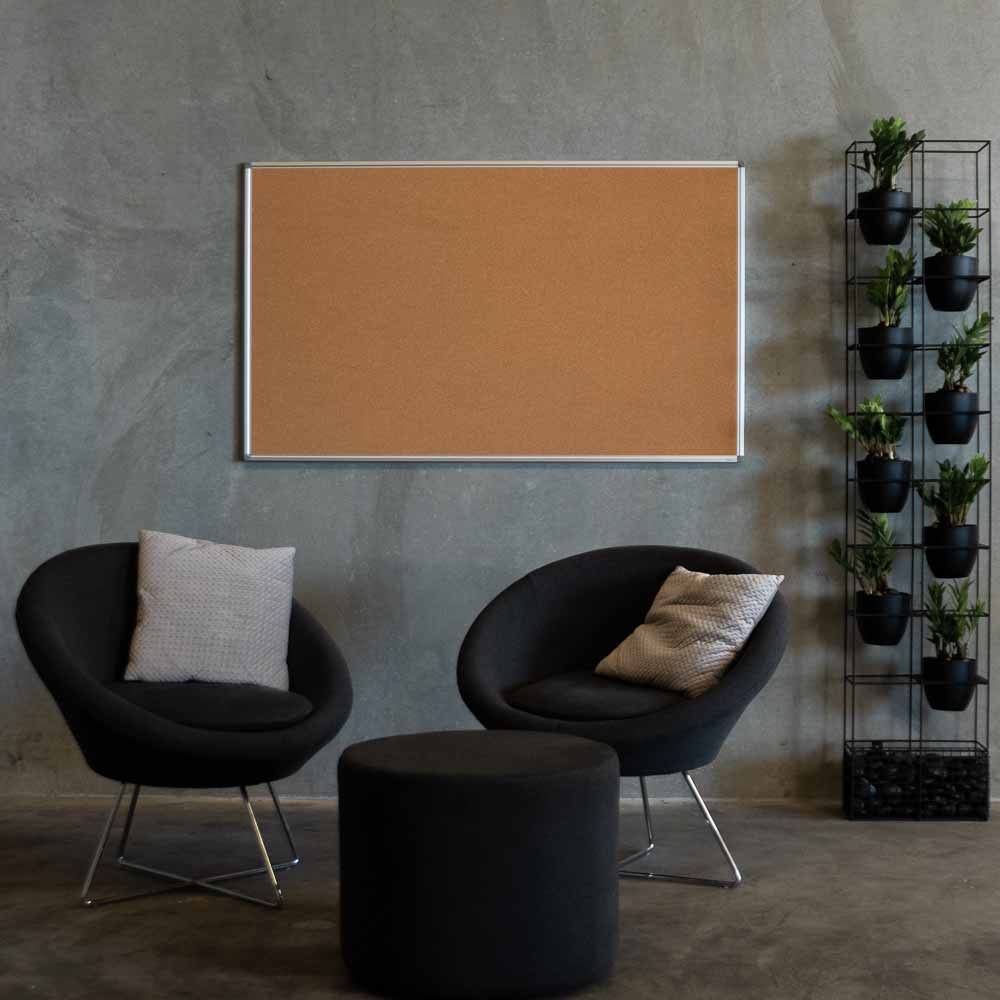
A cork classroom notice board can be effective when the project requires a simple display surface without specialist colour, acoustic or hook-and-loop requirements.
Limitations of Corkboards
Cork may be less suitable when:
• The board receives intensive daily pinning
• Colour coordination is important
• A premium classroom finish is required
• Hook-and-loop resources are used frequently
• The board forms a large feature wall
• Acoustic absorption is part of the project
Repeated use in one small section can leave visible holes or wear. Teachers should distribute material across the complete surface rather than repeatedly pinning into the same area.
3. Choose Felt for Reliable Everyday School Use
Felt pinboards provide a clean, uniform alternative to natural cork.
They work well in:
• Primary classrooms
• Secondary classrooms
• Staff rooms
• Administration offices
• Libraries
• Tutorial spaces
• Training rooms
• School corridors
Advantages of Felt Pinboards
Felt can provide:
• Consistent commercial appearance
• Reliable resistance for standard pins
• Neutral or school-friendly colours
• Good contrast with printed material
• Suitability for frequent classroom use
• A practical balance of appearance and value
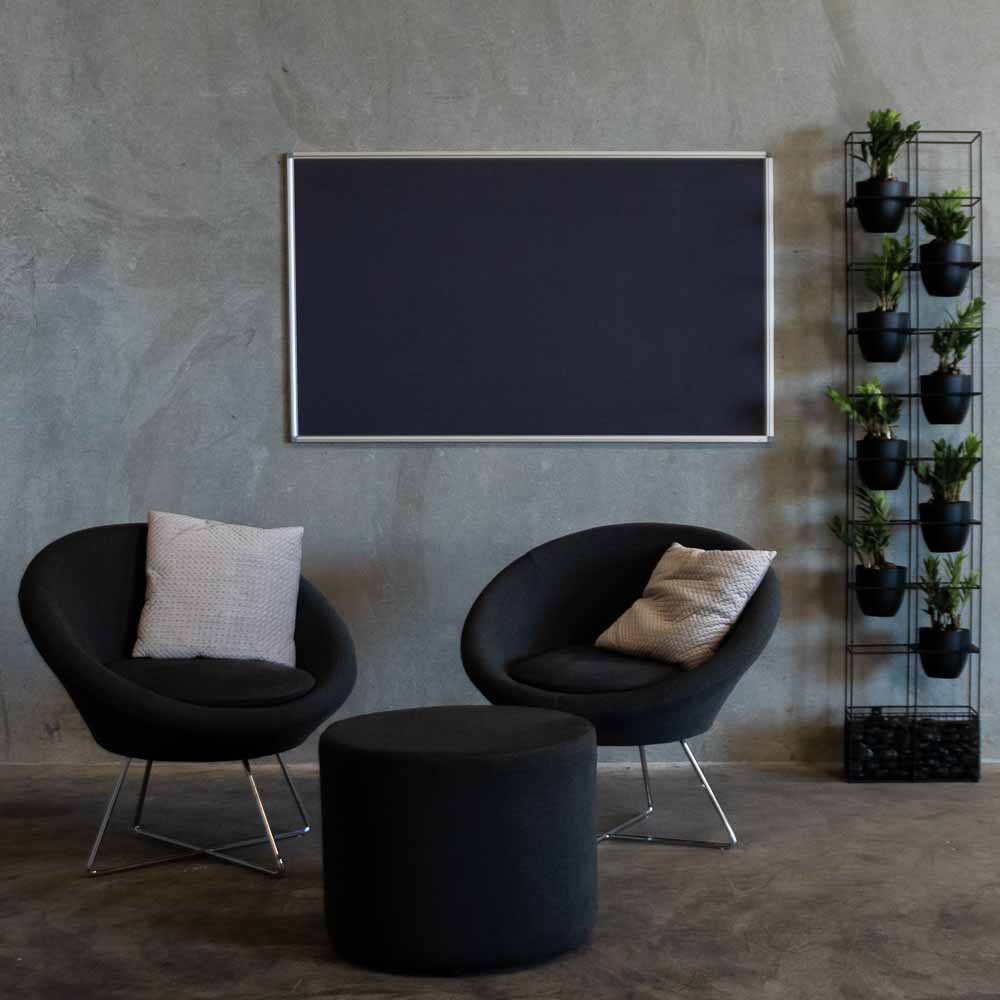
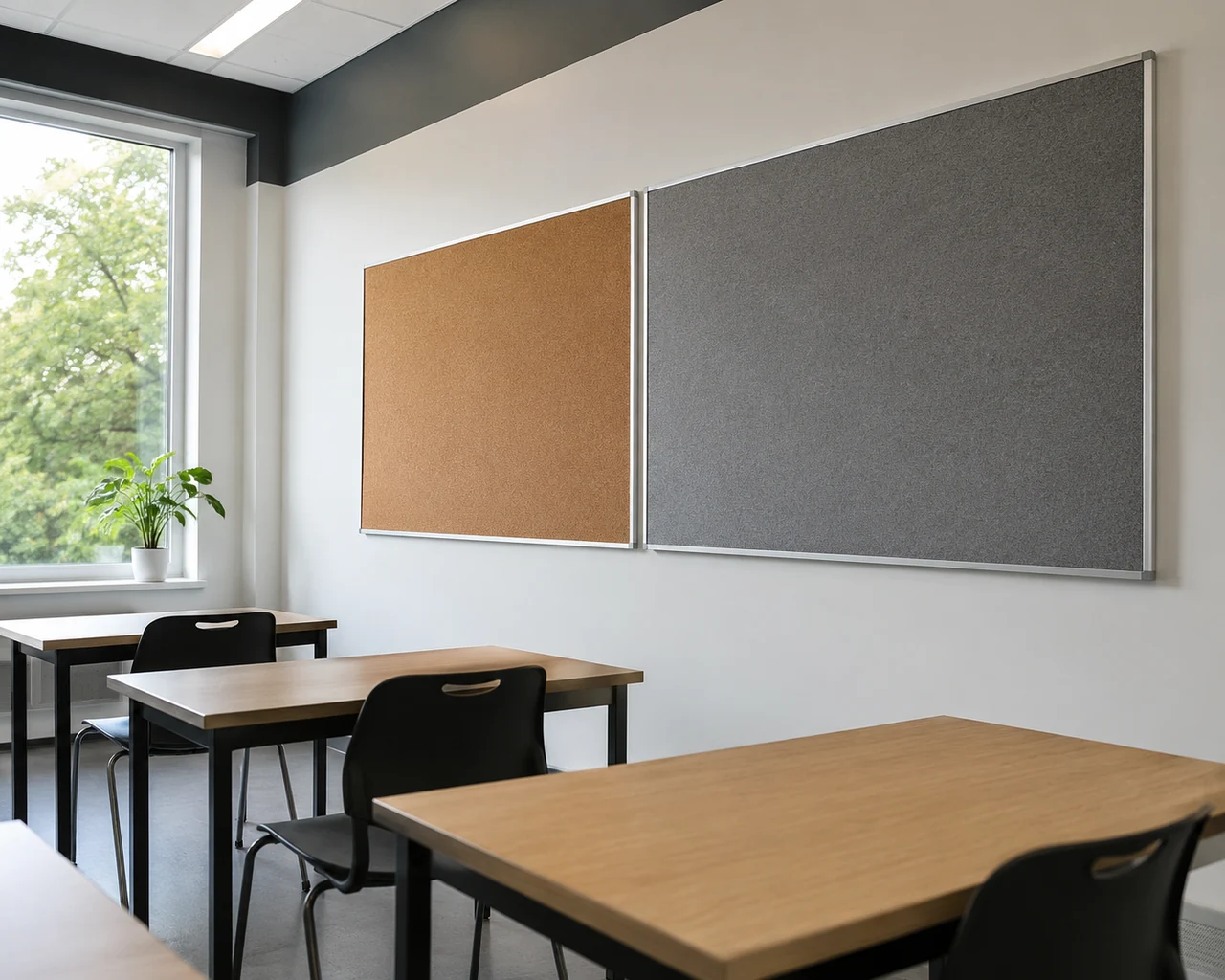
A grey or blue feltboard can integrate easily with existing classroom furniture and wall colours while remaining clearly identifiable as a display surface.
Limitations of Felt Pinboards
Standard feltboards may provide fewer colour and design options than premium fabric ranges.
They may also be unsuitable where:
• Hook-and-loop fastening is essential
• A frameless feature wall is required
• The board needs verified acoustic performance
• The school requires a specific brand colour
• Large custom dimensions are central to the fitout
Felt is often the most practical choice where durability and straightforward pinning matter more than extensive customisation.
4. Choose Fabric or Velour for Colour and Flexible Fastening
Fabric and velour pinboards can provide a more contemporary appearance than standard cork or felt.
They are useful where the board needs to coordinate with:
• Classroom colour schemes
• School branding
• Furniture finishes
• Learning-zone colours
• Department identification
• Acoustic treatments
• Interior design requirements
Selected fabric surfaces also accept compatible hook-and-loop fasteners.
This is useful for:
• Laminated learning resources
• Reusable activity cards
• Visual schedules
• Alphabet and number displays
• Project headings
• Maps
• Classroom themes
• Material moved frequently between lessons
The available Velcro pinboards include selected surfaces designed to accept pins and compatible hook fastening.
Do not assume every fabric-looking board accepts Velcro. Confirm the individual surface specification and the appropriate side of the fastening material before ordering classroom accessories.
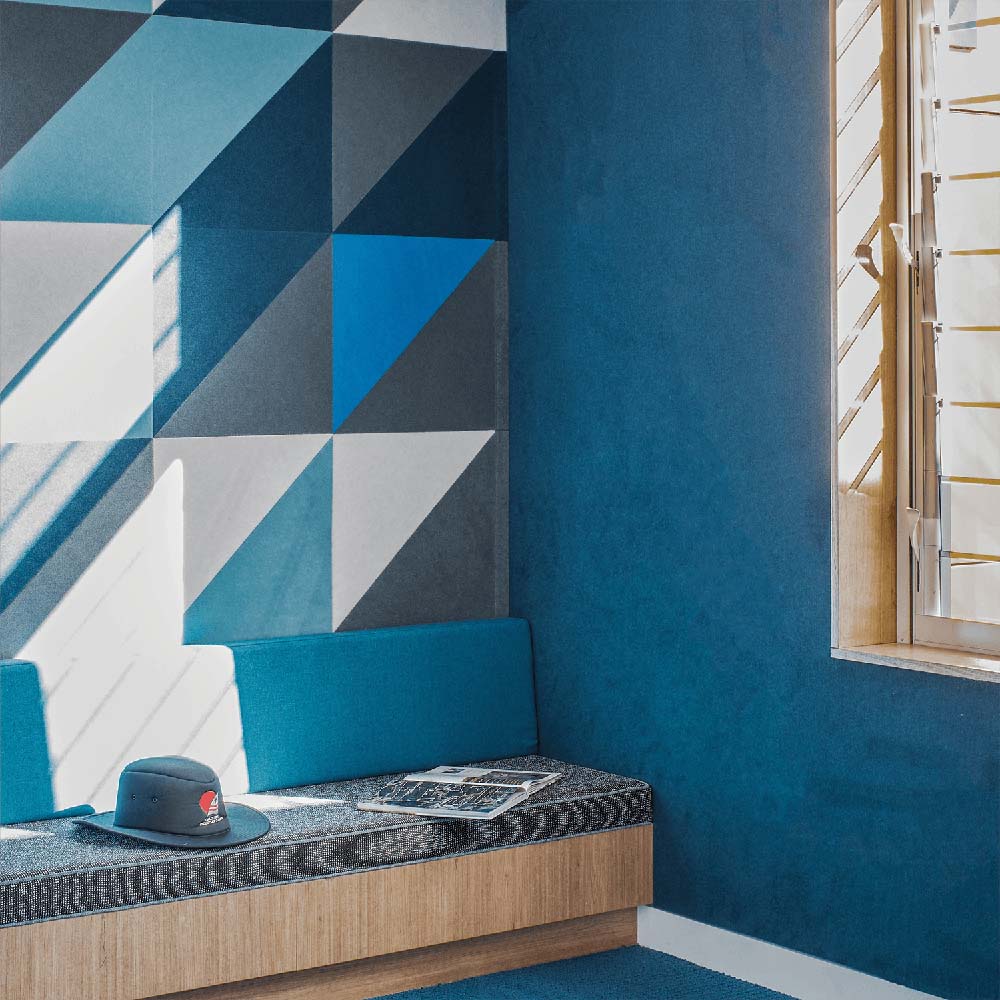
5. Consider Acoustic Pinboards for Noisy Learning Spaces
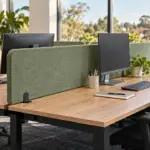
An acoustic pinboard combines display functionality with material designed to absorb some reflected sound.
It can be useful in classrooms containing:
• Hard floors
• Large windows
• Plasterboard walls
• High ceilings
• Several active learning groups
• Minimal soft furnishings
• Frequent discussion
• Large student numbers
• Adjacent collaborative areas
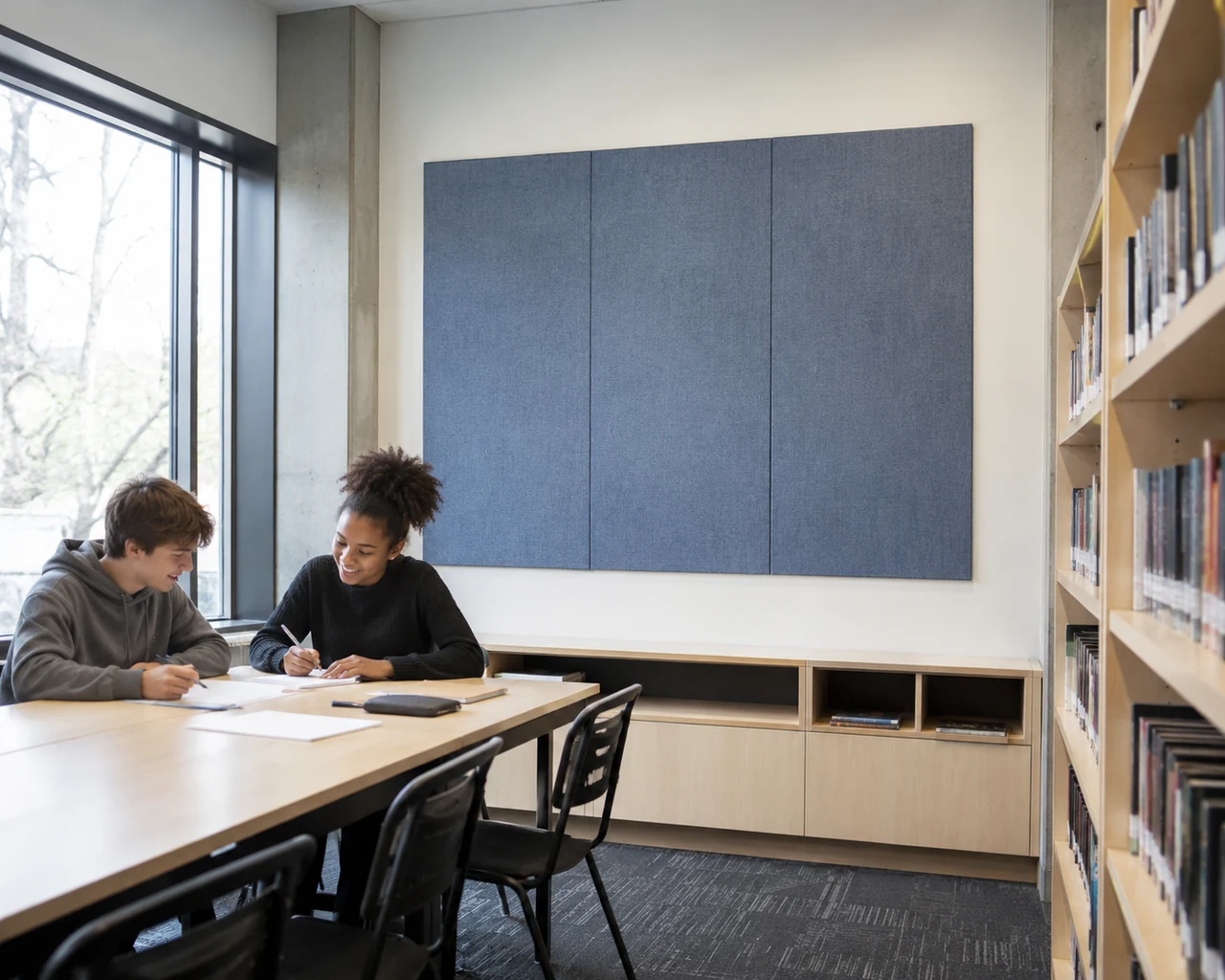
An acoustic classroom pinboard may help manage reverberation while providing space for student work and teaching material.
It does not completely soundproof the room or prevent noise travelling through walls, doors and ceilings.
The acoustic pinboard range is relevant where a school needs the display wall to contribute to the room’s broader acoustic treatment.
When Acoustic Pinboards Offer Strong Value
They can be particularly worthwhile when:
• A large pinboard is already required
• The classroom has noticeable echo
• Wall space is limited
• Separate acoustic treatment would otherwise be installed
• Colour and visual design are important
• The board will remain partly exposed rather than covered completely
Documents reduce the amount of acoustic material exposed to the room. Avoid covering the complete surface with overlapping paper where acoustic performance forms part of the purchase decision.
6. Decide Between Pins, Velcro and Mixed Use
The fastening method affects both the surface choice and the way the board is used.
Standard Push Pins
Pins suit:
• Student artwork
• Paper notices
• Photographs
• Thin card
• Calendars
• Printed worksheets
• Temporary instructions
Check that the selected pins are appropriate for the board thickness and the intended users.
Hook-and-Loop Fasteners
Hook-and-loop fastening can suit:
• Laminated cards
• Reusable lesson resources
• Classroom schedules
• Visual communication aids
• Activity instructions
• Project headings
• Learning games
• Frequently changed material
This can make updating the display faster and reduce the number of loose pins used in the room.
Mixed Pin and Velcro Use
A surface that supports both methods provides greater flexibility.
It can allow:
• Permanent reference material to remain pinned
• Reusable resources to move between sections
• Students to reposition activity cards
• Teachers to update lesson displays quickly
• One board to support several subjects
Confirm fastening compatibility before ordering in bulk. An unsuitable hook-and-loop product may fail to hold securely or damage the board surface.
7. Choose the Right Classroom Pinboard Size
A classroom pinboard should be sized around the amount of material displayed and the distance from which it will be viewed.
Measure:
• Available wall width
• Available wall height
• Furniture beneath the board
• Door and window positions
• Light switches and outlets
• Interactive displays and whiteboards
• Comfortable student and teacher reach
• Number of documents displayed
• Required space between items
• Delivery and installation access
Small Classroom Pinboards
Smaller boards suit:
• Daily notices
• Classroom calendars
• Individual subject displays
• Teacher information
• Compact tutorial rooms
• Narrow wall sections
They are less suitable where student work or several learning topics remain visible at the same time.
Medium Classroom Pinboards
Medium boards can support:
• General classroom displays
• Learning goals
• Timetables
• Student work
• Subject resources
• Weekly activity information
This size may provide the strongest balance between display capacity and available wall area.
Large Classroom Display Boards
Large pinboards can create:
• Full student-work displays
• Project walls
• Curriculum reference areas
• Visual learning zones
• Department displays
• Shared notice areas
Large boards need enough open surface to prevent the display becoming crowded.
Mark the proposed dimensions on the wall with removable tape and place sample sheets inside the outline. This provides a clearer indication of capacity than viewing an empty board online.
8. Compare One Large Board With Several Smaller Boards
One large classroom bulletin board creates an uninterrupted display area.
It is useful for:
• Whole-class projects
• Large artwork
• Timelines
• Maps
• Coordinated curriculum displays
• Term-long themes
Several smaller boards can provide clearer organisation when information needs to be separated by:
• Subject
• Student group
• Year level
• Current and completed work
• Teacher and student information
• Permanent and temporary material
• Classroom zone
Separate boards can also use different colours to identify learning areas.
For example:
• Blue for literacy
• Green for science
• Grey for classroom notices
• Yellow for current student work
Avoid creating too many small boards if each display becomes cramped or difficult to update.
9. Choose Between Fixed and Mobile Classroom Pinboards
Fixed Classroom Pinboards
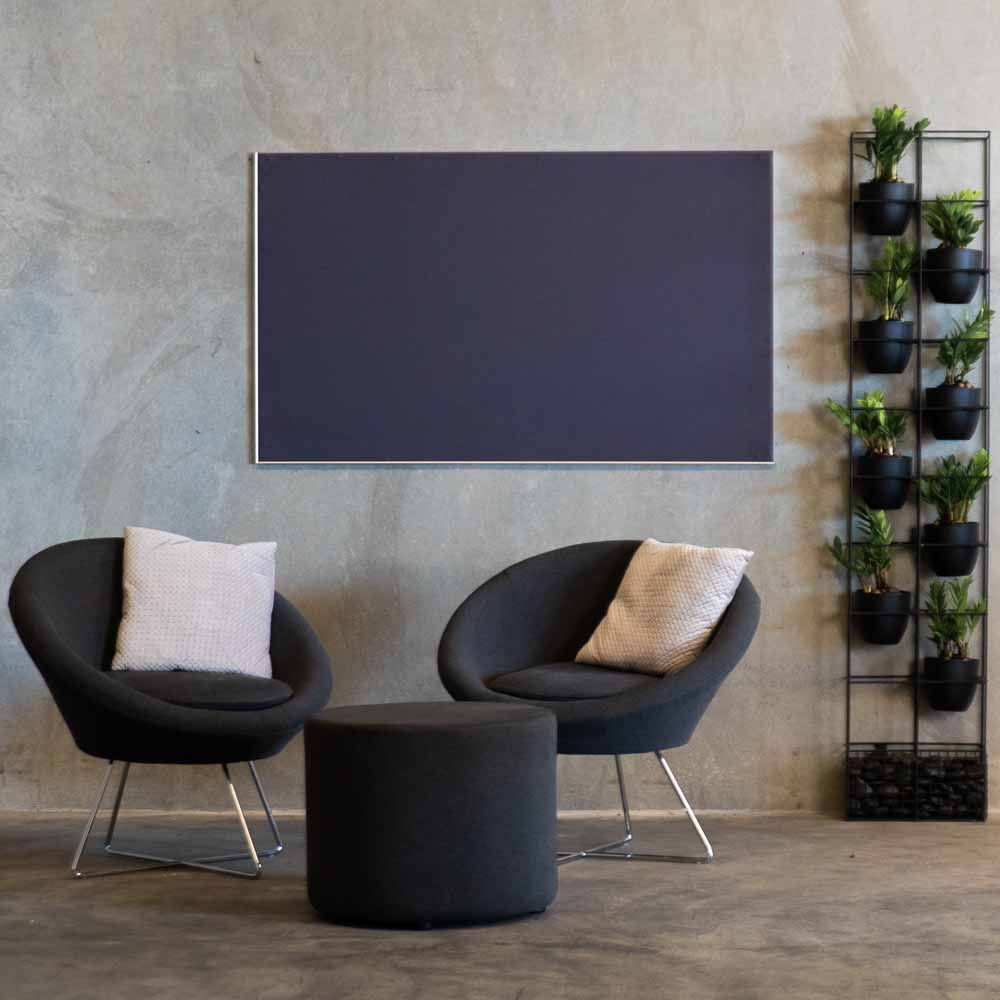
A wall-mounted board is generally the best option when information needs to remain continuously visible.
Fixed boards provide:
• Permanent display space
• No frame occupying floor area
• Consistent viewing position
• Integration with classroom walls
• Broad size and colour options
• Easier daily access
The available fixed pinboards suit classrooms, libraries, corridors and administration areas where the display belongs in one location.
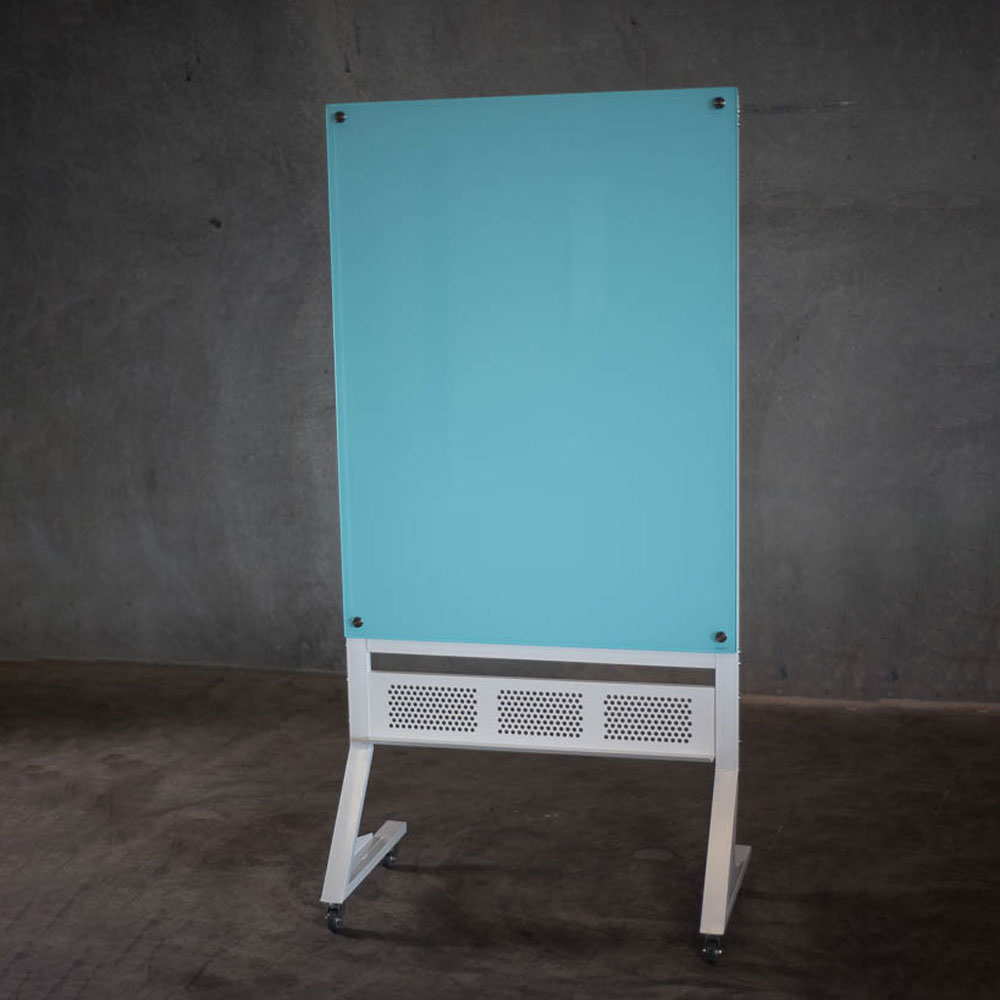
Mobile Classroom Pinboards
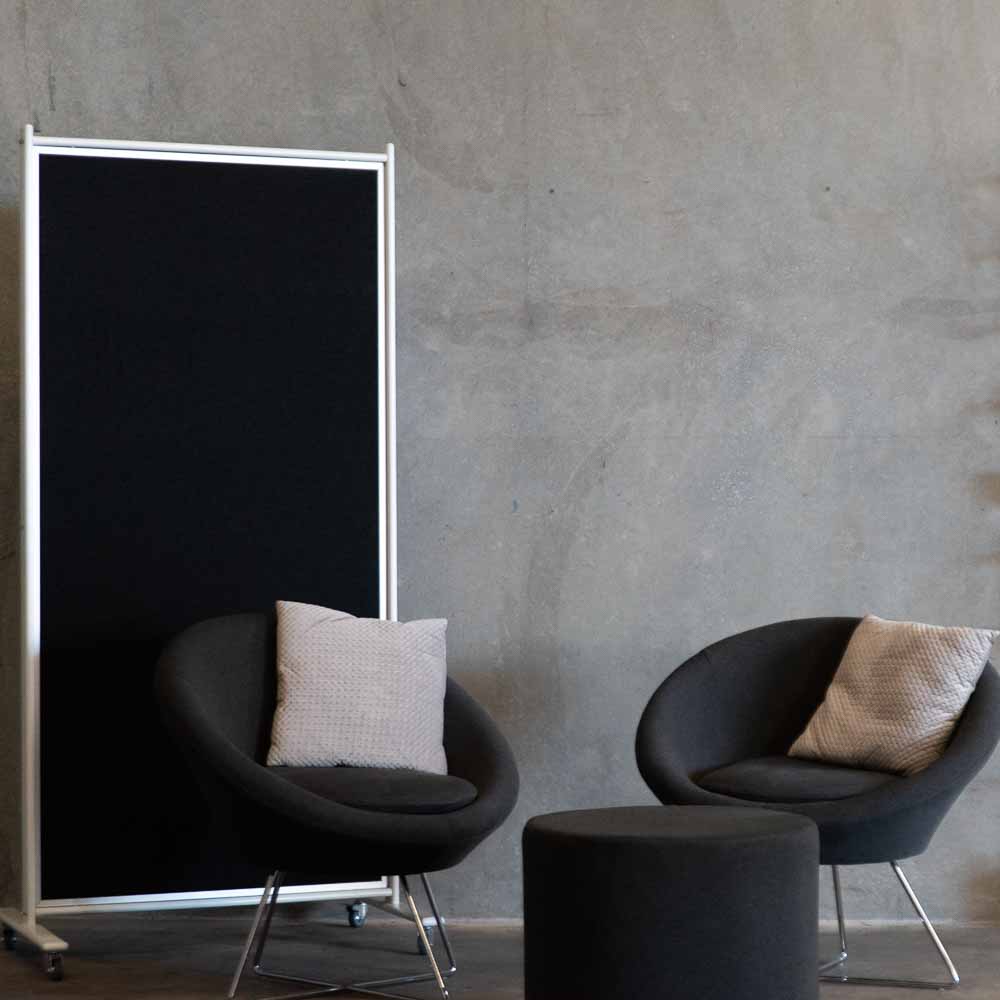
A mobile pinboard can support:
• Flexible learning layouts
• Group activities
• Temporary exhibitions
• Shared use between rooms
• Workshops
• Visual room division
• Display material prepared outside the classroom
Mobile boards may also provide two usable display surfaces.
They require:
• Floor space
• Locking castors
• Stable frames
• Doorway clearance
• Suitable storage
• Safe movement routes
A mobile board is not automatically the better choice simply because it offers flexibility. A product that remains permanently in one location may use space more efficiently when wall mounted.
10. Position the Pinboard for Visibility and Access
The best pinboard location depends on who needs to see and update it.
Front Teaching Wall
A board near the teaching area can hold:
• Lesson objectives
• Reference material
• Daily instructions
• Subject resources
• Visual prompts
Ensure it does not compete with the main whiteboard or interactive display.
Side Classroom Wall
A side wall is suitable for:
• Student work
• Learning resources
• Project displays
• Subject information
• Rotating classroom themes
This location keeps material visible without crowding the teaching wall.
Rear Classroom Wall
A rear pinboard can provide:
• Completed-work displays
• Classroom identity
• Long-term projects
• Celebration boards
• General information
Check that the content remains useful when students face away from it during lessons.
Entry Area
A board near the door can display:
• Notices
• Upcoming events
• Homework reminders
• Parent information
• Class schedules
Avoid creating congestion around the doorway.
Student Reach
Where students attach or remove material, the main working area should remain reachable without chairs, stools or unsafe stretching.
Higher sections can hold teacher-managed or long-term displays.
11. Plan the Display Layout Before Ordering
A large board does not remain organised automatically.
Divide the surface into clear functions.
Possible sections include:
• Current learning
• Student work
• Important dates
• Classroom notices
• Resources
• Upcoming activities
• Completed projects
Use spacing rather than filling every available area.
A practical display should allow:
• Headings to remain visible
• Student work to sit without overlapping
• Resources to be removed without disturbing other sections
• New material to be added during the term
• Older information to be reviewed and removed
Teachers can test the proposed board using painter’s tape and paper templates before approving a custom size.
The existing article on classroom bulletin board ideas provides further inspiration for organising learning displays after the board has been selected.
12. Consider Colour, Contrast and Classroom Design
Surface colour affects how documents appear and how strongly the board influences the room.
Neutral Pinboard Colours
Grey, charcoal and natural tones can:
• Reduce visual clutter
• Coordinate with changing classroom displays
• Remain suitable over several years
• Provide a professional education finish
• Allow colourful student work to stand out
Brighter Pinboard Colours
Blue, green, yellow and other stronger colours can:
• Identify learning zones
• Support classroom themes
• Reinforce school branding
• Add visual interest
• Differentiate year levels or departments
Avoid using a surface colour that makes the displayed material difficult to read.
Consider:
• Paper colour
• Border colour
• Classroom lighting
• Wall paint
• Furniture
• Existing acoustic products
• The amount of visual information already in the room
Review physical samples where possible. Colours viewed online may appear different under classroom lighting.
13. Consider Custom Classroom Pinboards
A custom pinboard can provide better use of the available wall where standard sizes do not fit.
Custom sizing may be worthwhile when:
• The board must fit between windows or joinery
• A long curriculum display is required
• Several boards need coordinated dimensions
• The surface needs to align with classroom furniture
• A full feature wall is planned
• A specific colour or frame is required
• Existing standard boards leave awkward gaps
The custom pinboard range includes made-to-measure options for education and commercial environments.
Before approving a custom board, confirm:
• Exact dimensions
• Orientation
• Surface material
• Colour
• Frame style
• Pin and Velcro requirements
• Installation height
• Wall construction
• Doorway and delivery access
• Quantity required across the school
Custom products should be reviewed carefully before manufacture because changing their dimensions later may not be practical.
14. Plan Safety, Installation and Maintenance
Schools should assess the complete installation rather than only the board surface.
Wall Installation
Confirm:
• Wall material
• Board weight
• Fixing requirements
• Mounting height
• Nearby power outlets
• Furniture clearance
• Number of installers required
• Access to the final room
Large boards may be difficult to carry through narrow corridors or stairwells.
Pin Management
Consider:
• Appropriate pin types
• Pin storage
• Student access
• Loose pins on floors
• Replacement quantities
• Whether hook-and-loop resources can reduce pin use
Surface Maintenance
For cork:
• Rotate frequently used display areas
• Avoid saturating the surface
• Remove damaged pins
For felt and fabric:
• Dust with a suitable soft tool
• Follow the care instructions
• Avoid unapproved adhesives
• Treat spills promptly
For acoustic panels:
• Keep enough material exposed
• Avoid harsh chemicals
• Follow the product-specific cleaning method
• Inspect edges in high-traffic areas
15. Avoid Common Classroom Pinboard Buying Mistakes
Choosing by Colour Alone
The surface must also support the required pins, Velcro, display weight and usage frequency.
Ordering Before Planning the Display
Sample material may reveal that the proposed board is too small.
Assuming Every Fabric Board Is Acoustic
Fabric appearance does not confirm sound-absorbing construction.
Assuming Every Fabric Board Accepts Velcro
Check the individual specification.
Installing the Board Too High
Students and teachers should be able to reach the required areas safely.
Placing the Board Behind Furniture
Cupboards and desks can make the lower section unusable.
Covering an Acoustic Board Completely
Overlapping notices reduce exposed sound-absorbing material.
Using One Board for Unrelated Information
An overcrowded classroom pinboard is harder to read and maintain.
Ignoring Doorway and Corridor Access
Large custom boards must reach the room before they can be installed.
Selecting Mobile Without Planning Storage
A portable board still needs a safe location when not in use.
Final Classroom Pinboard Checklist
Before ordering, confirm:
• Primary classroom purpose
• Material displayed
• Update frequency
• Student or teacher access
• Cork, felt, fabric or acoustic surface
• Pin requirements
• Hook-and-loop requirements
• Required display area
• Number of separate sections
• Fixed or mobile format
• Single- or double-sided use
• Board width and height
• Colour and document contrast
• Standard or custom dimensions
• Wall construction
• Installation height
• Delivery access
• Pin-management process
• Cleaning requirements
• Acoustic objectives
• School-wide quantity requirements
Conclusion
The best classroom pinboard is one that provides enough organised display space, supports the preferred fastening method and remains practical for teachers and students to update.
Choose cork for straightforward and cost-conscious displays. Choose felt for reliable everyday classroom use. Choose fabric or velour when colour and hook-and-loop compatibility are important. Choose an acoustic pinboard when the wall also needs to absorb reflected sound.
Measure the wall, test the display layout and confirm the installation requirements before ordering. Schools can then select a fixed, mobile or custom classroom pinboard that supports communication, student work and long-term learning-space use.
For exclusive educator discounts, visit our Education Hub!