

Noise is one of the biggest challenges in small office environments. Whether it’s conversations, phone calls, or general background activity, excess noise can quickly impact productivity, focus, and overall workplace comfort.
The good news is that you don’t need a full office redesign to improve acoustics. With the right combination of acoustic panels, office partitions, and layout adjustments, you can significantly reduce noise and create a more productive workspace.
Why Noise Is a Problem in Small Offices
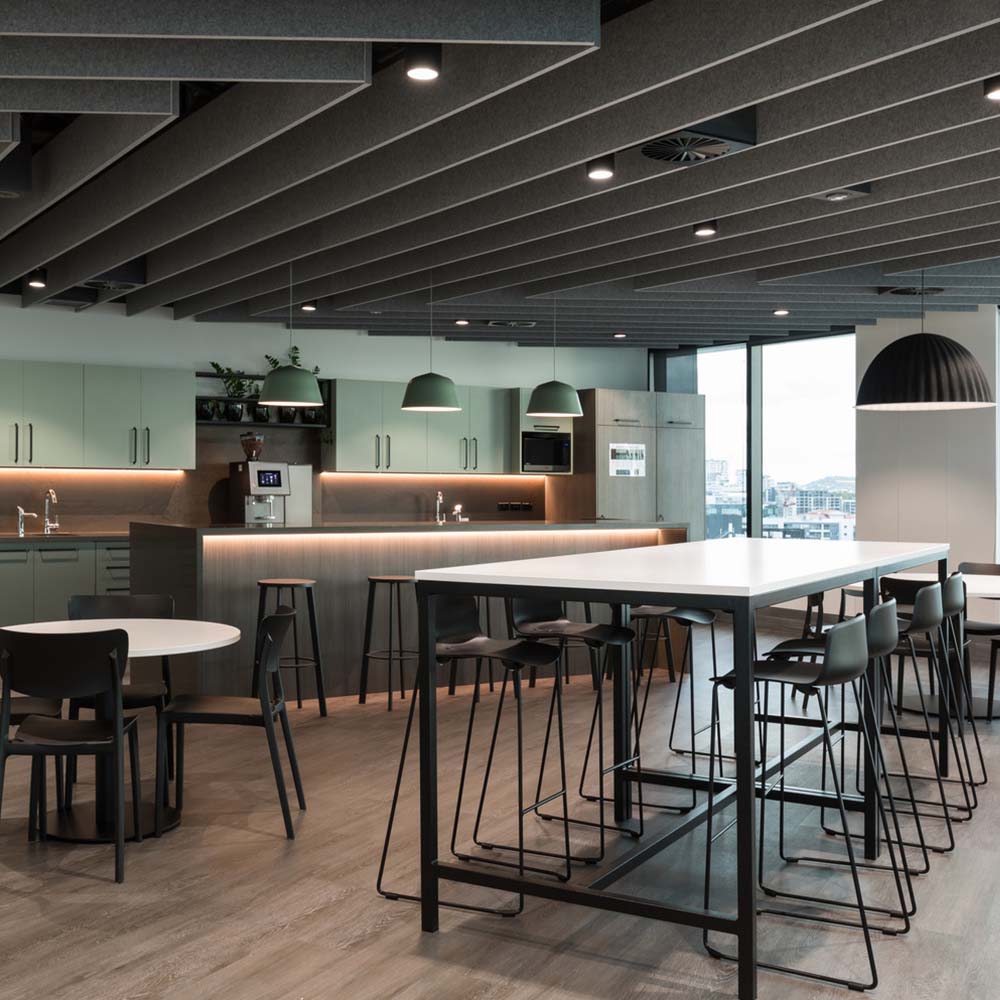
Small offices tend to amplify sound due to limited space and hard surfaces like walls, floors, and ceilings. These surfaces reflect sound waves, causing echo and increasing overall noise levels.
Without proper acoustic treatment, even a small amount of noise can feel overwhelming – making it harder for teams to concentrate, communicate, and perform effectively.
1. Install Acoustic Panels
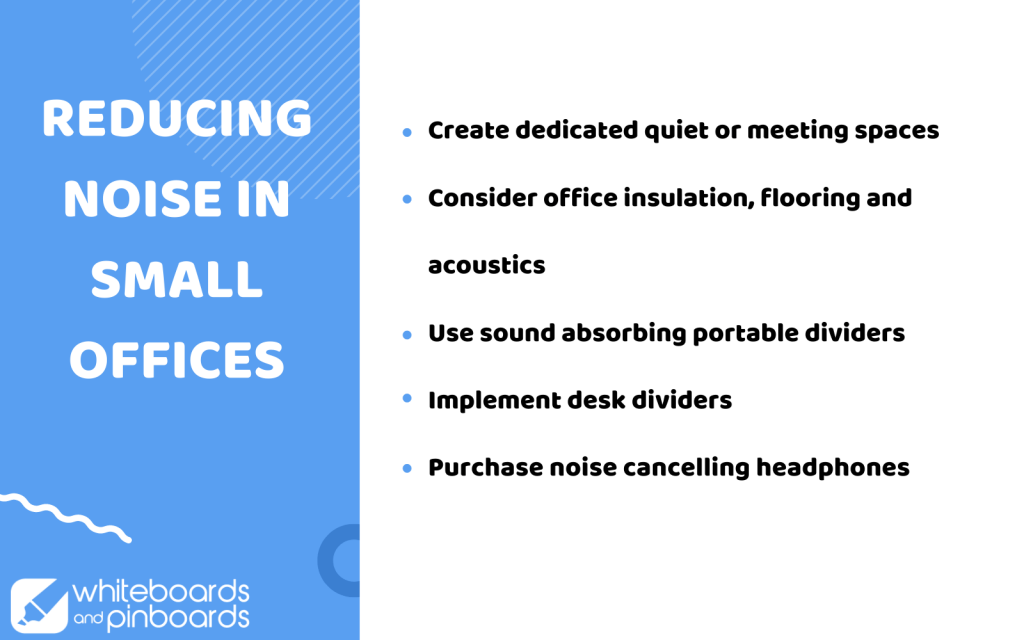
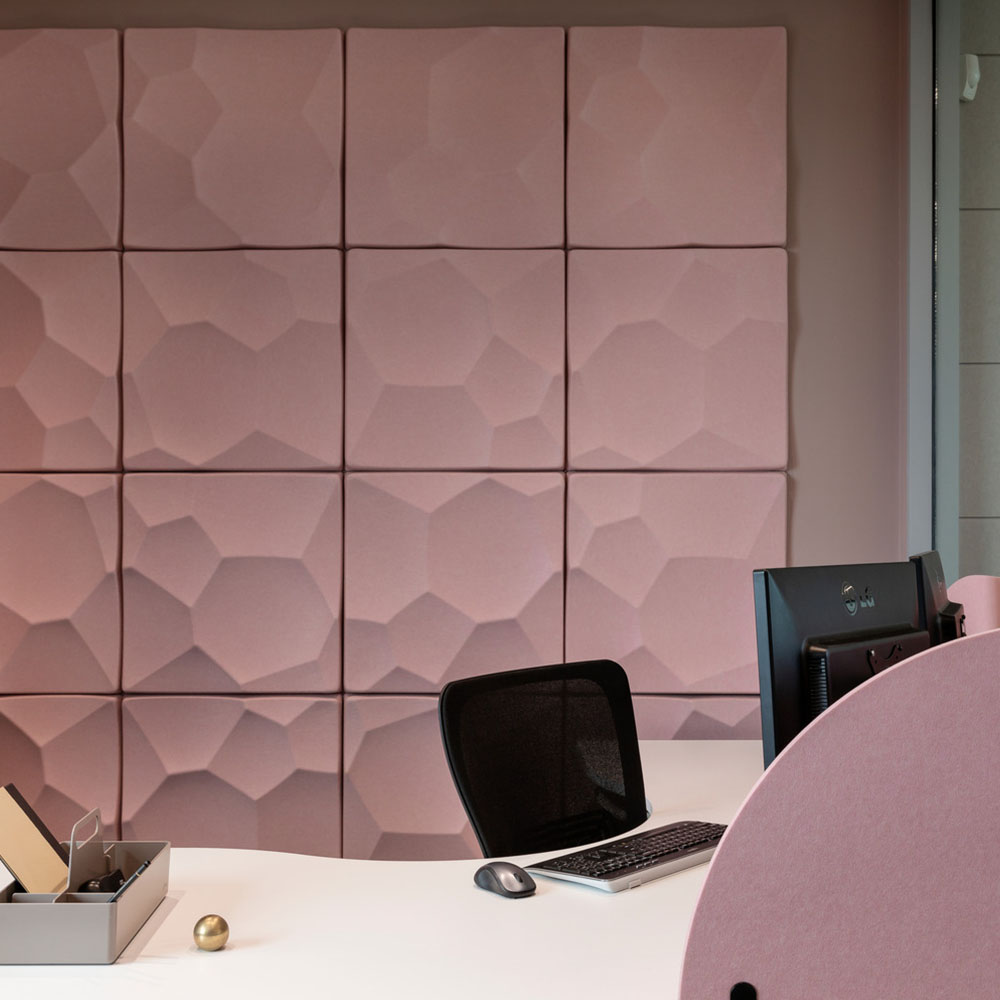
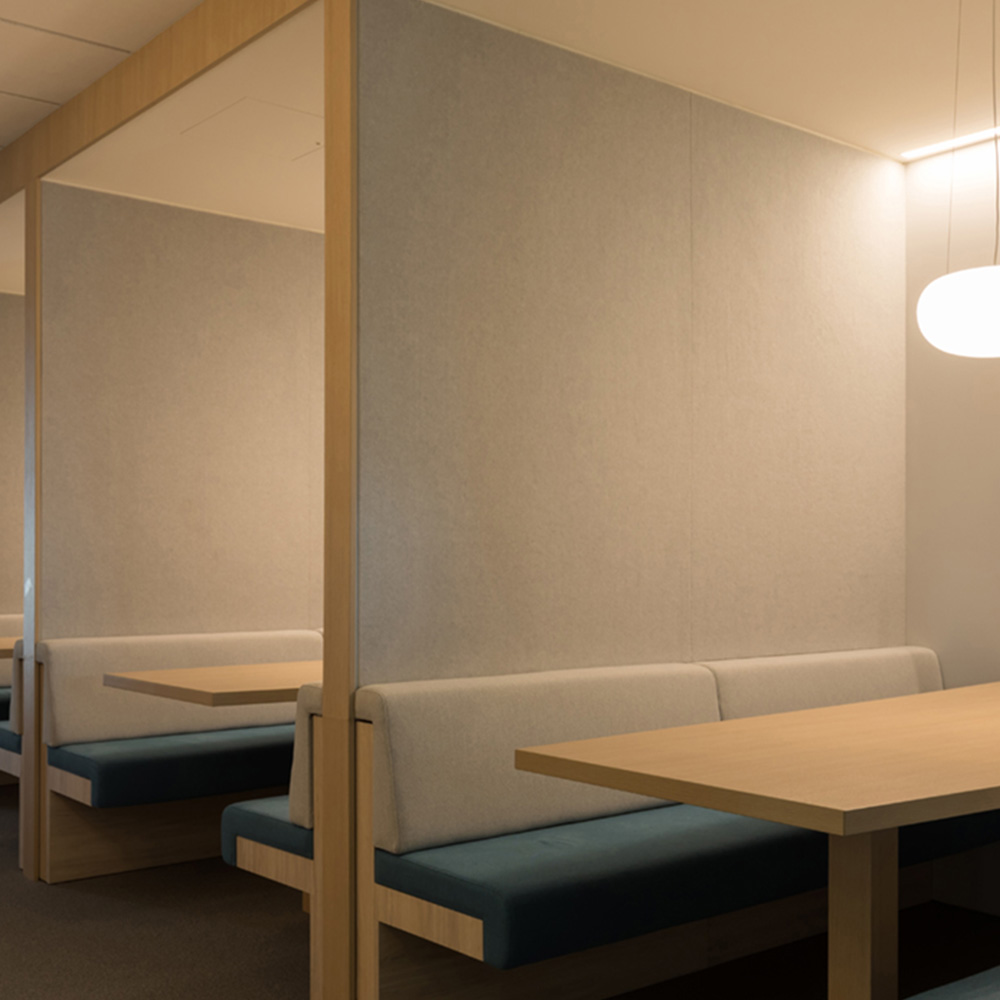
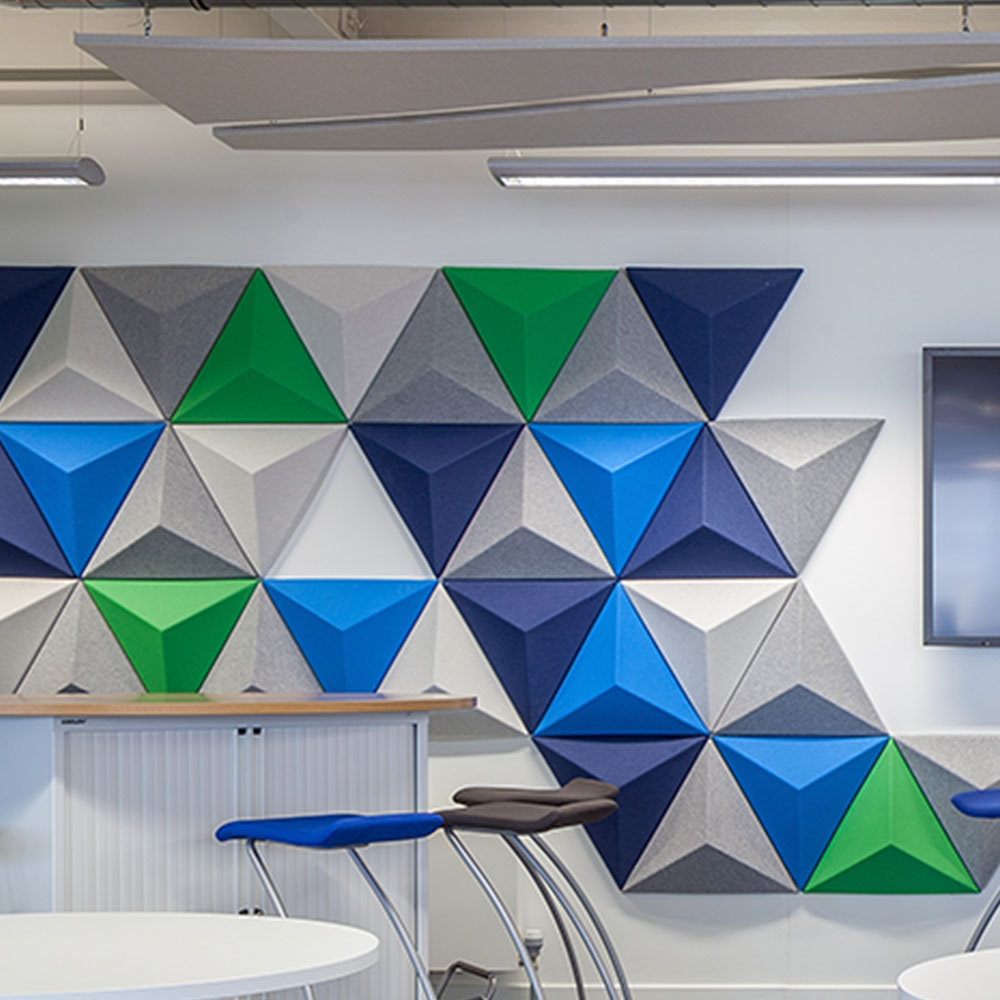
One of the most effective ways to reduce noise is by installing acoustic wall panels or sound-absorbing boards.
These panels work by absorbing sound rather than reflecting it, which helps reduce echo and overall noise levels.
For best results:
- Place panels at ear level around desks and work areas
- Install panels on parallel walls to reduce sound bounce
- Focus on high-noise zones like collaboration areas
Modern acoustic panels are available in a range of styles and finishes, making them suitable for both functional and design-focused office spaces.
2. Use Acoustic Pinboards & Dual-Purpose Panels
If you want a solution that combines functionality with sound control, consider acoustic pinboards or fabric wall panels.
These products provide:
- Sound absorption
- A pinnable surface for notes and communication
- A cleaner, more organised workspace
They’re ideal for small offices where space is limited and every surface needs to serve multiple purposes.
3. Add Office Partitions or Screens
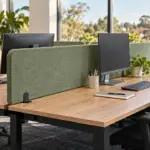
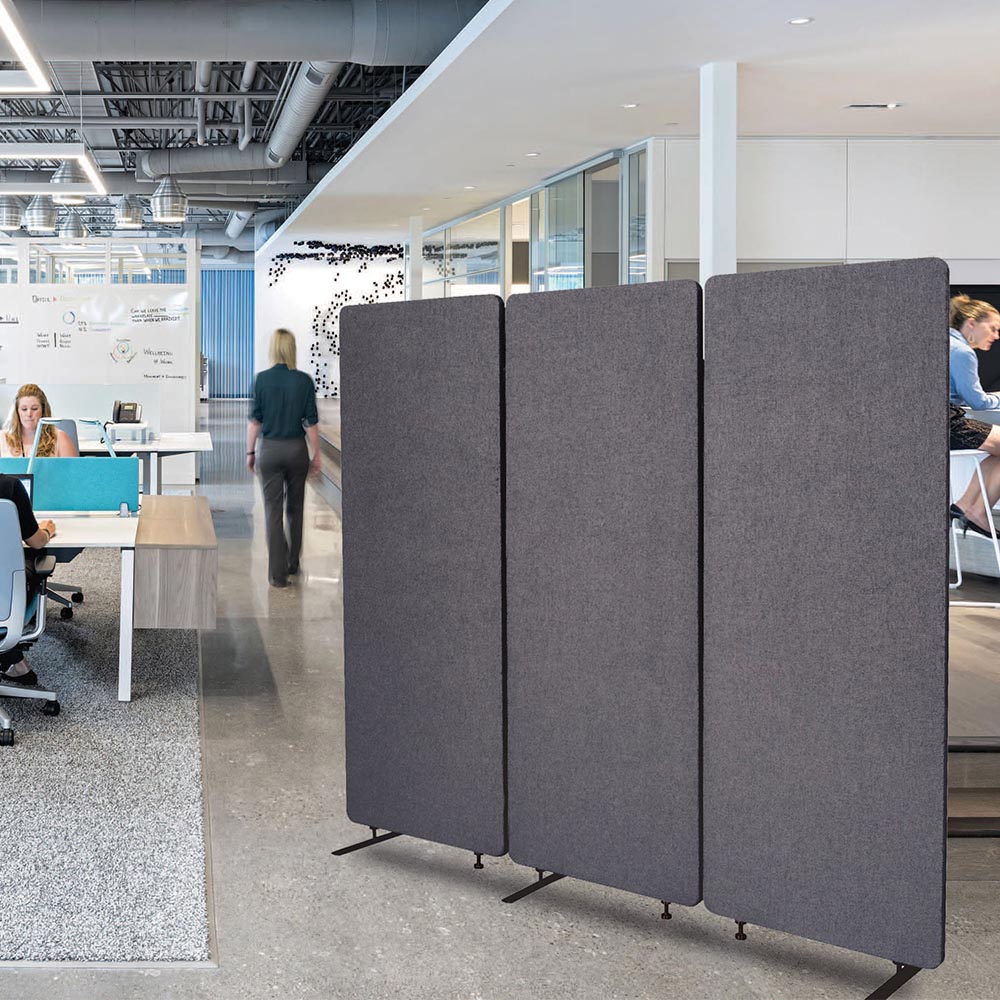
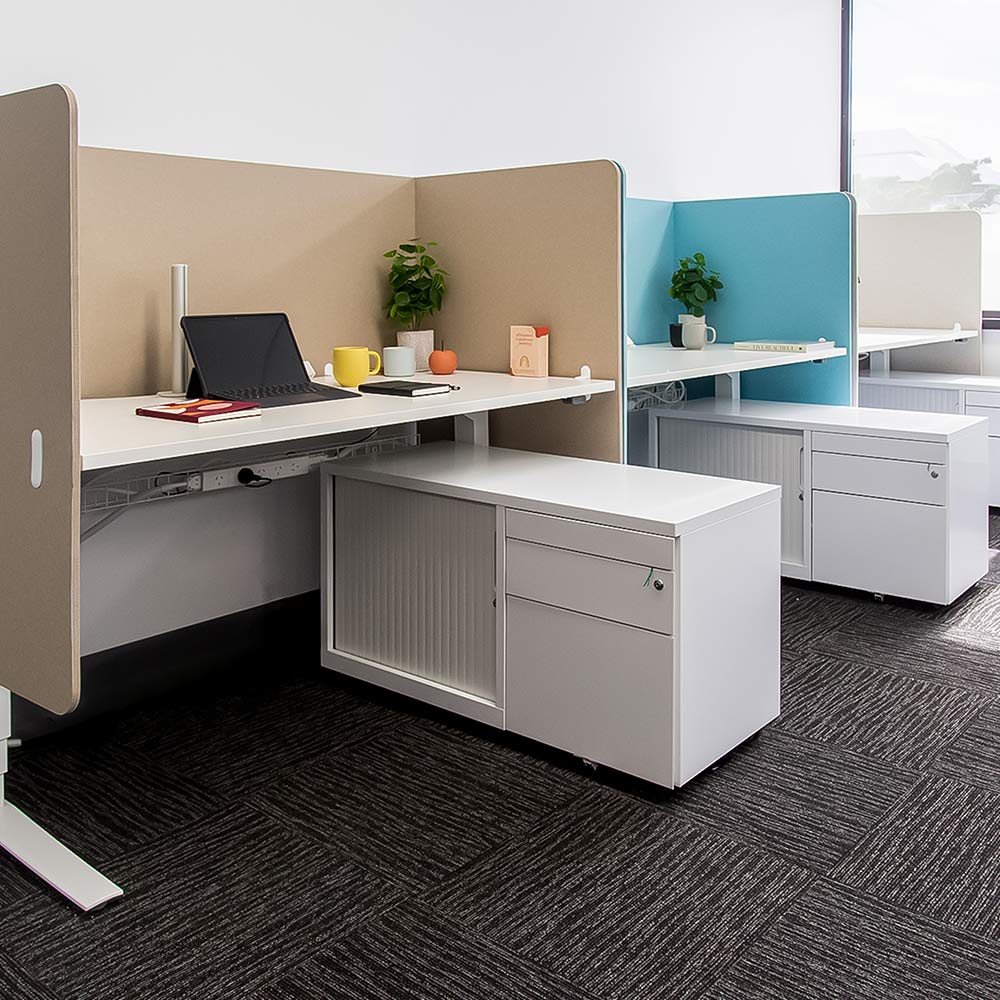
Introducing office partitions, desk dividers, or acoustic screens can significantly reduce noise between workstations.
These solutions help:
- Block direct sound paths
- Create semi-private work zones
- Improve concentration in shared spaces
Compared to permanent walls, portable partitions offer flexibility and can be adjusted as your office layout changes.
Optimise Office Layout
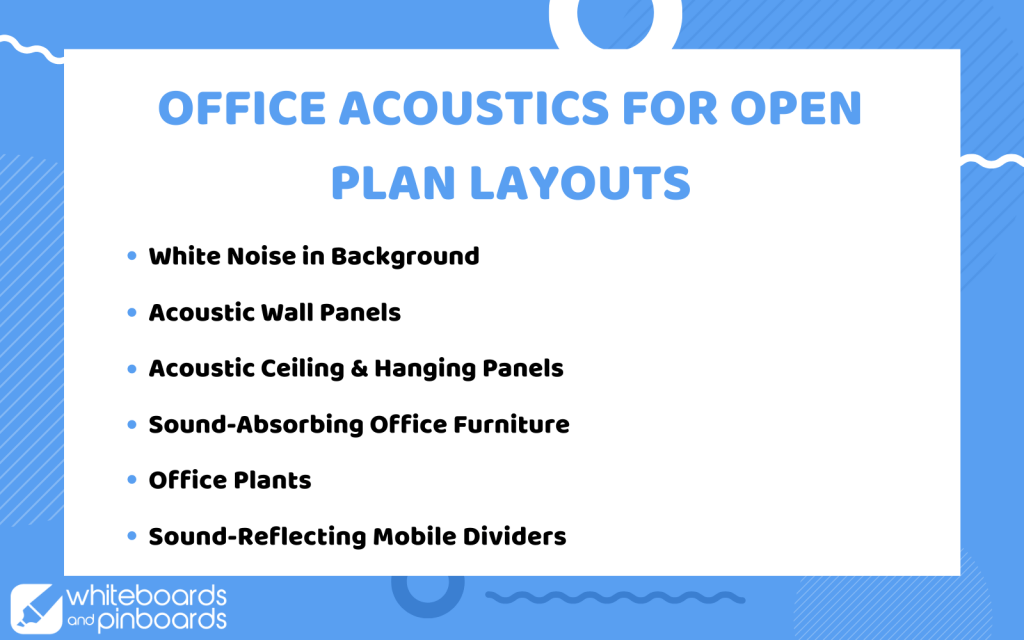
Your office layout plays a major role in how sound travels.
To reduce noise:
- Separate quiet work areas from collaboration zones
- Position desks away from high-traffic areas
- Avoid placing multiple noise sources close together
Even small layout changes can make a noticeable difference in overall sound levels.
Soften Hard Surfaces
Hard surfaces reflect sound, so adding softer materials can help absorb it.
Consider incorporating:
- Rugs or carpet tiles
- Curtains or fabric elements
- Upholstered furniture
These additions reduce echo and contribute to a quieter, more comfortable environment.
Use Whiteboards and Panels as Barriers
Large whiteboards, pinboards, or freestanding boards can act as physical barriers that help block and diffuse sound.
This is a simple and cost-effective way to improve acoustics while also adding functional surfaces for communication and planning.
Shop our Most Popular Categories


Control Noise at the Source
Reducing noise isn’t just about treatment – it’s also about managing behaviour and sources.
- Encourage the use of quiet zones
- Use meeting rooms for calls and discussions
- Set guidelines for noise levels in shared spaces
Combining behavioural strategies with physical solutions creates the best overall results.
Common Mistakes to Avoid
When trying to reduce office noise, avoid:
- Installing too few acoustic panels
- Placing panels too high or in ineffective locations
- Relying only on furniture without acoustic treatment
- Ignoring layout and sound flow
A well-rounded approach is key to achieving meaningful noise reduction.
Create a Quieter, More Productive Workspace
Reducing noise in a small office doesn’t require major renovations. By using acoustic panels, partitions, and smart layout strategies, you can create a space that supports focus, communication, and productivity.
The right combination of solutions will not only improve sound quality but also enhance overall workplace wellbeing.
Shop Acoustic Solutions for Small Offices
Looking to reduce noise in your workspace? Explore our range of acoustic panels, office partitions, acoustic pinboards, and sound-absorbing solutions designed for modern offices.
Whether you need:
- Wall-mounted acoustic panels
- Freestanding office screens
- Dual-purpose acoustic pinboards
- Workspace dividers
We offer high-quality solutions to help you create a quieter, more efficient office environment.





I’ve always struggled with noise in our open-plan office, and your suggestions, especially about using acoustic panels and office plants, seem very practical.
Looking for noise abatement in a medium size commercialoffice
Hi Drago. The recommendations in this blog post are a good place to start exploring your options. The solutions you choose are typically dictated by the office itself such as layout, size, ceiling type, and so on. Acoustic ceiling tiles designed to slot into suspended ceiling grids are a common choice for offices. Quietspace panel is one of the most effective acoustic panels we have and is ideal for attaching to walls and ceilings. Other than that, you can look at furniture, plants, desktop screens and dividers, and hanging acoustic screens or standing partitions. Please feel free to contact our customer service team if you would like some assistance in finding a solution for your business.