
Classroom acoustics play a crucial role in how effectively students learn and how comfortably teachers can deliver lessons. In noisy environments, students struggle to hear clearly, concentration drops, and teachers are often forced to raise their voices – leading to fatigue and reduced learning outcomes.
The good news is that improving classroom acoustics doesn’t require a full renovation. With the right combination of acoustic panels, layout strategies, and sound-absorbing materials, you can significantly reduce noise and create a more focused learning environment.
Shop our Most Popular Categories


Why Classroom Acoustics Matter
Students spend a large portion of their day listening, so clear sound is essential for learning. Poor acoustics can lead to:
- Reduced speech clarity
- Lower concentration levels
- Increased distractions
- Greater strain on teachers
Hard surfaces like walls, floors, and ceilings often reflect sound, creating echo and reverberation that makes it harder to hear and understand lessons.
Improving acoustics helps create a more inclusive classroom where all students – including those with learning or hearing challenges – can participate effectively.
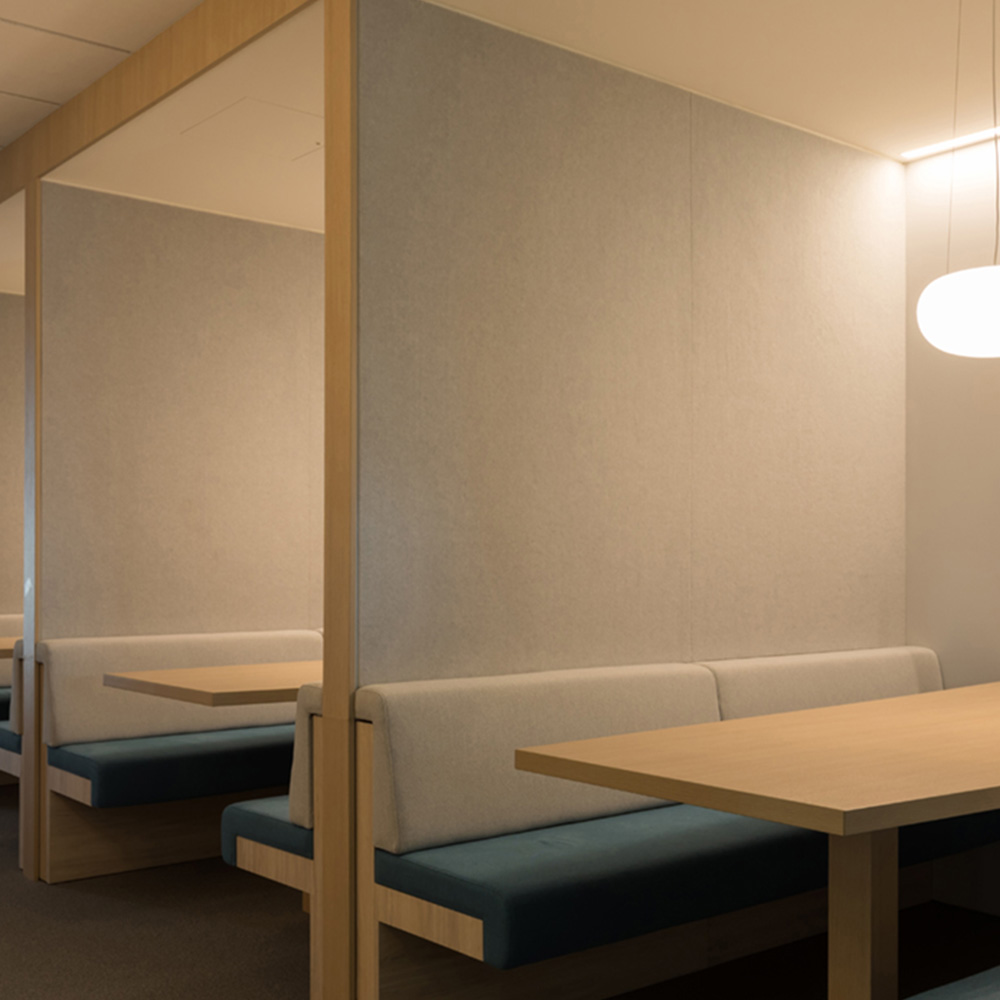
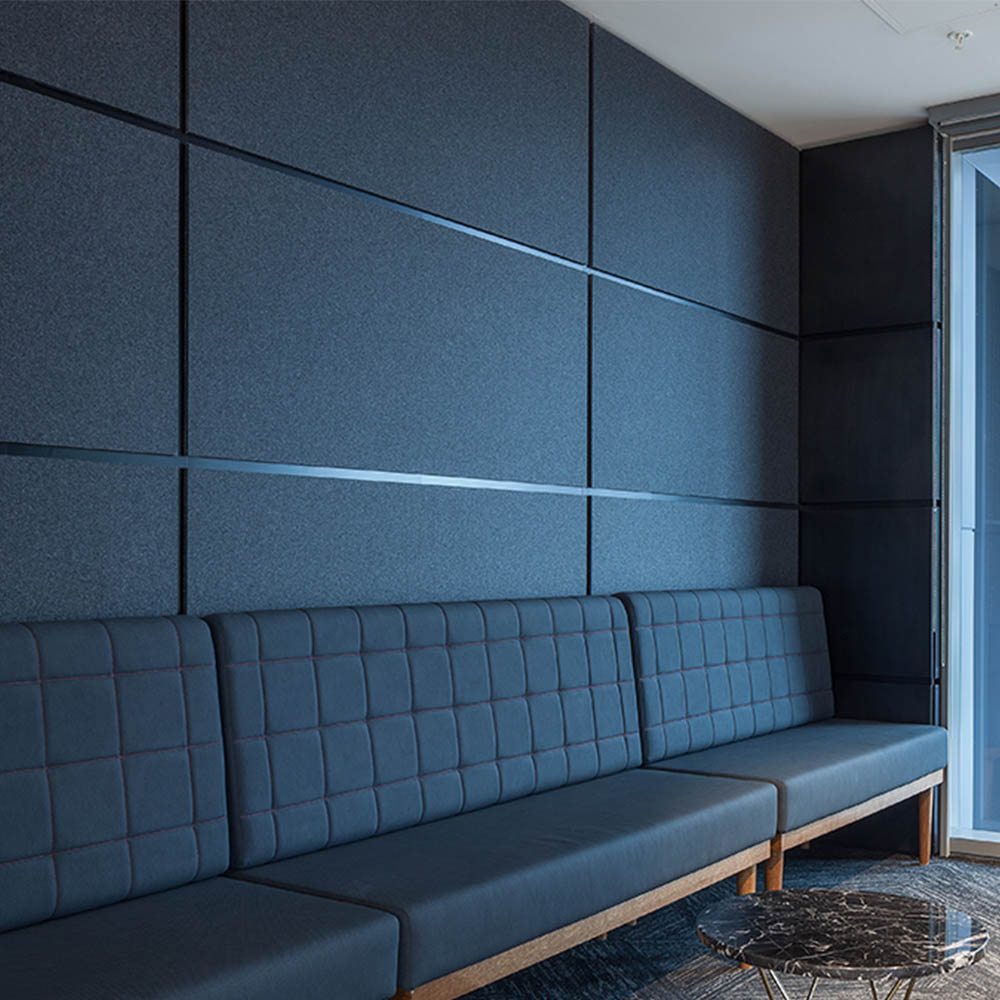
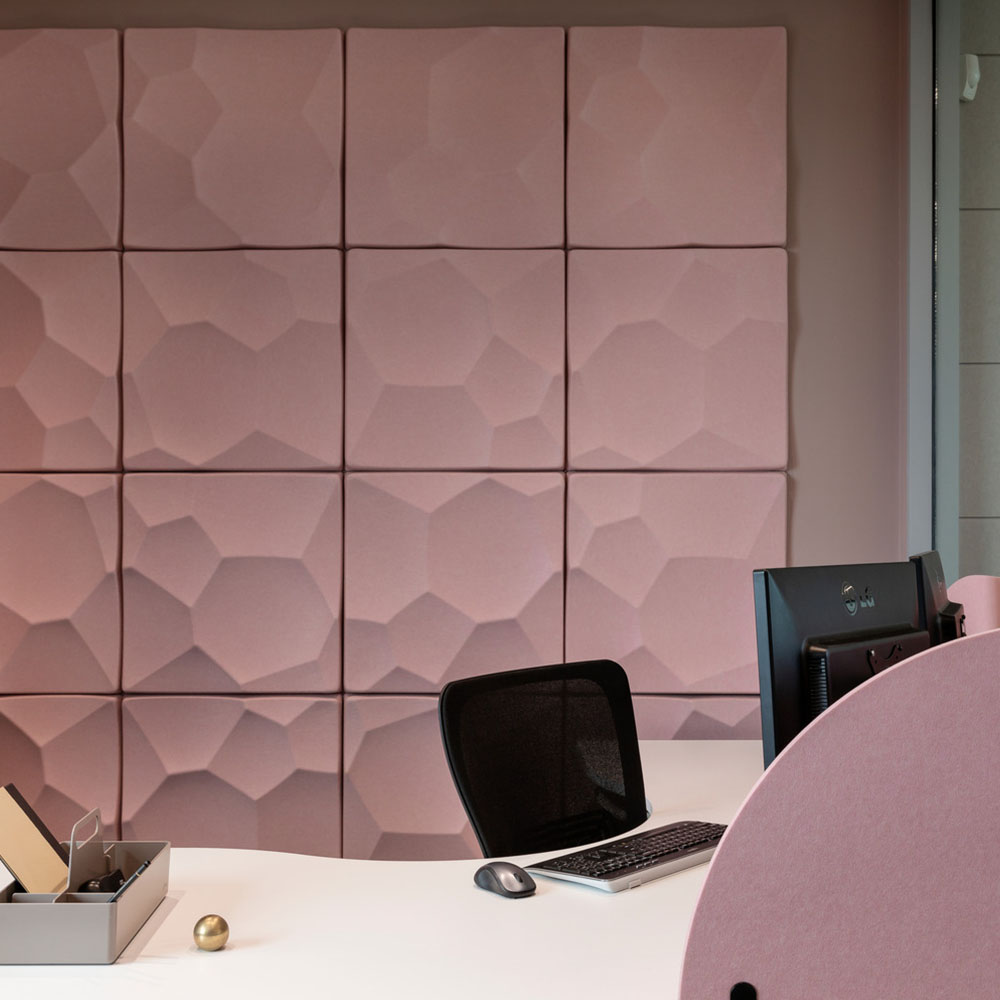
Install Acoustic Wall Panels
One of the most effective ways to reduce noise is by installing acoustic wall panels or sound-absorbing boards.
These panels absorb sound energy rather than reflecting it, helping to:
- Reduce echo and reverberation
- Improve speech clarity
- Lower overall noise levels
Strategically placing panels on walls – especially near student seating and teaching areas – can dramatically improve classroom acoustics.
Use Acoustic Pinboards and Fabric Panels
Acoustic pinboards and fabric wall panels provide a dual-purpose solution for classrooms.
They offer:
- Sound absorption
- A pinnable surface for displays and learning materials
- Improved organisation and visual engagement
This makes them ideal for classrooms where wall space needs to be both functional and acoustically effective.
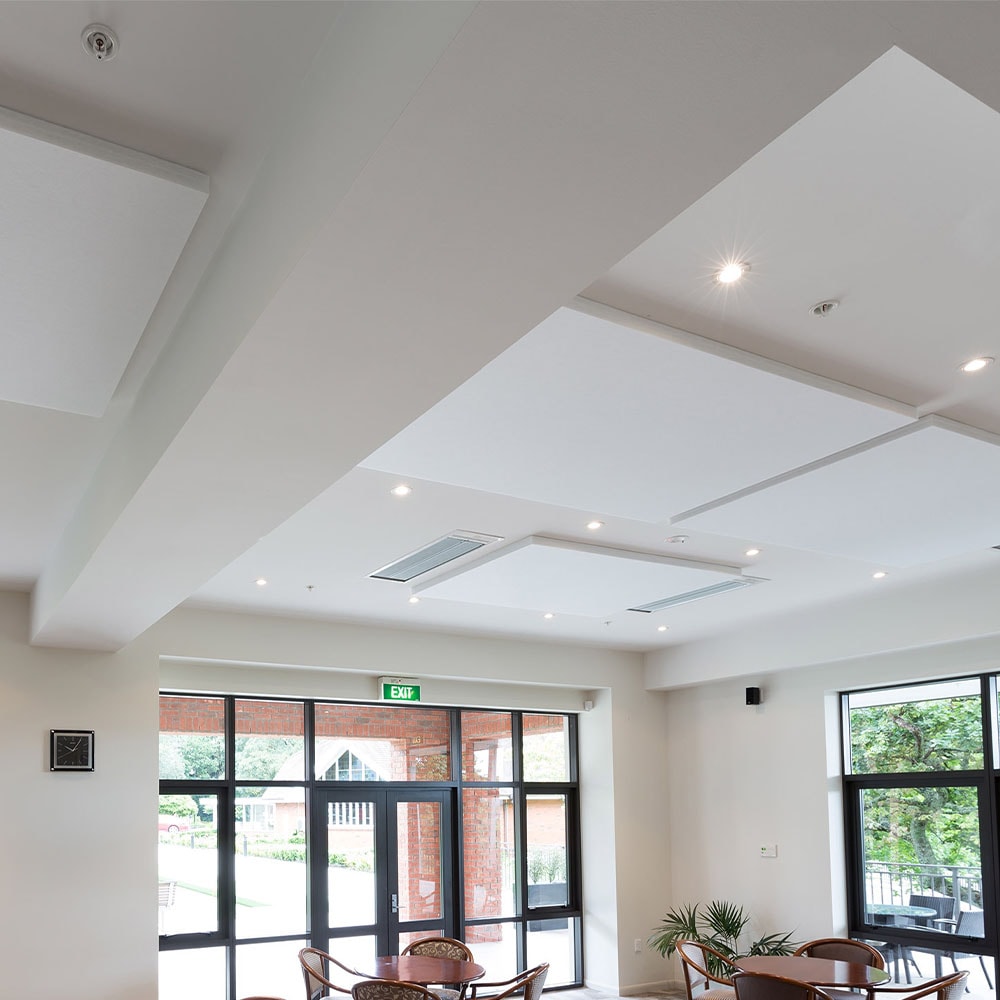
Add Ceiling Acoustic Solutions
Sound reflects off ceilings just as much as walls.
Installing ceiling panels, baffles, or acoustic clouds helps absorb sound before it spreads across the room. These solutions are particularly effective in:
- Large classrooms
- High-ceiling spaces
- Open learning environments
By reducing overhead reflections, ceiling treatments improve overall sound quality and clarity.
Reduce Hard Surfaces
Classrooms often contain many hard surfaces that reflect sound.
To improve acoustics, introduce softer materials such as:
- Carpet or rugs
- Curtains or blinds
- Upholstered seating
Even simple additions like soft furnishings can help absorb sound and reduce echo.
Identify and Reduce Noise Sources
Noise doesn’t just come from within the classroom – it can also come from outside.
Common sources include:
- Nearby classrooms
- Hallways and common areas
- Equipment like fans or projectors
Identifying and managing these sources – whether through layout changes or acoustic treatment – is key to improving overall sound quality.
Use Classroom Layout to Control Sound
The way your classroom is arranged can significantly impact how sound travels.
To improve acoustics:
- Position desks to reduce distance between teacher and students
- Separate quiet learning zones from active areas
- Avoid placing noisy activities near teaching spaces
A well-planned layout helps minimise distractions and improves communication.
Introduce Acoustic Partitions or Dividers
Acoustic screens or partitions can help reduce noise in shared or open learning environments.
They are especially useful for:
- Group work areas
- Multi-use classrooms
- Flexible learning spaces
Partitions help block and absorb sound, creating quieter zones without the need for permanent walls.
Improve Speech Clarity
Improving acoustics isn’t just about reducing noise – it’s also about making speech easier to hear.
This can be achieved by:
- Reducing background noise
- Positioning teaching areas effectively
- Using sound amplification systems where needed
Clear speech improves comprehension and reduces the need for repetition, making lessons more efficient.
Common Mistakes to Avoid
When improving classroom acoustics, avoid:
- Installing too few acoustic panels
- Placing panels in ineffective locations
- Ignoring ceiling reflections
- Relying only on furniture without acoustic treatment
A balanced approach is essential for achieving noticeable improvements.
Benefits of Better Classroom Acoustics
Investing in acoustic improvements can deliver significant benefits:
- Improved student focus and comprehension
- Better communication between teachers and students
- Reduced teacher fatigue
- A more comfortable and productive learning environment
Even small changes can have a big impact on how effectively students learn.
Create a Better Learning Environment
Improving classroom acoustics is one of the most effective ways to enhance learning outcomes without major structural changes. By combining acoustic panels, soft materials, and smart layout strategies, you can create a classroom that supports focus, clarity, and engagement.
Shop Classroom Acoustic Solutions
Looking to reduce noise in your classroom? Explore our range of acoustic panels, pinboards, ceiling solutions, and classroom dividers designed for modern learning environments.
Whether you need:
- Wall-mounted acoustic panels
- Acoustic pinboards for dual functionality
- Ceiling acoustic systems
- Flexible classroom partitions
We offer high-quality solutions to help you create a quieter, more effective classroom..
Check out our dedicated Acoustics Page!
For exclusive educator discounts, visit our Education Hub!